The New Nio ES8 Sells for 25% Less Than Its Predecessor

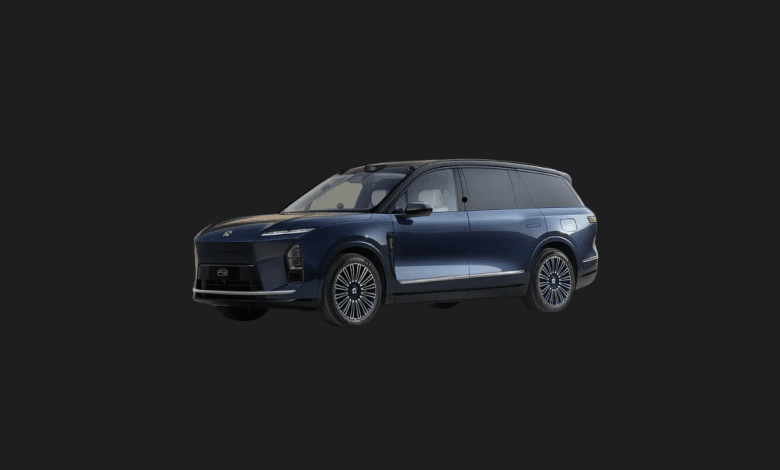

Nio has introduced its third-generation ES8 SUV. This electric SUV stands out with its increased size, more advanced technology, and a surprisingly lower price. It can also be purchased with a battery rental option.
The Chinese electric car manufacturer Nio officially unveiled the third generation of its flagship ES8 SUV today. The new ES8 offers a significant update over previous generations in terms of dimensions and technological features, while its pre-sale prices have been notably reduced.
Nio’s large electric SUV is offered with a 100 kWh battery pack and a pre-sale price of approximately $58,000. This represents a 25% discount compared to the previous 100 kWh ES8 model. Additionally, with the BaaS (Battery as a Service) plan, the price drops to $43,000, which is lower than the starting price of the Tesla Model Y L in China.
What Do the New Nio ES8’s Features Offer?

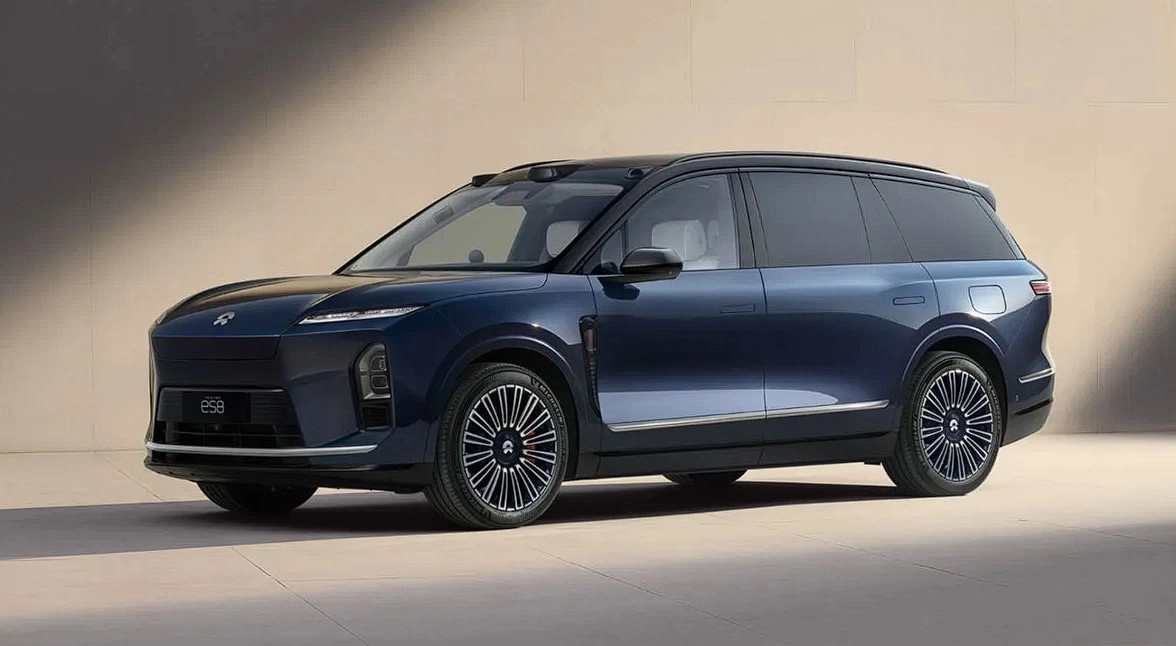
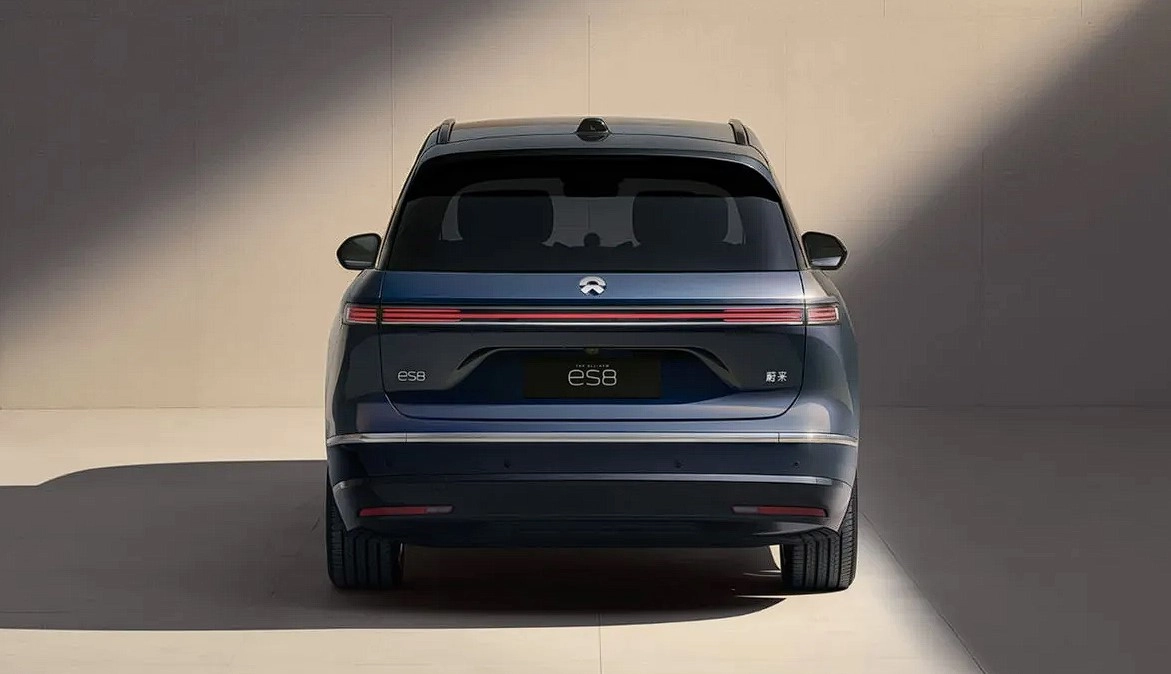
The third-generation ES8 is available in three trim options: the six-seater Executive Luxury Edition, the seven-seater Executive Luxury Edition, and the six-seater Executive Signature Edition. The dimensions of the new ES8 have been increased, moving it from the mid-to-high-end SUV category to the full-size SUV category. The model is 5,280 mm long, 2,010 mm wide, 1,800 mm high, and has a wheelbase of 3,250 mm.
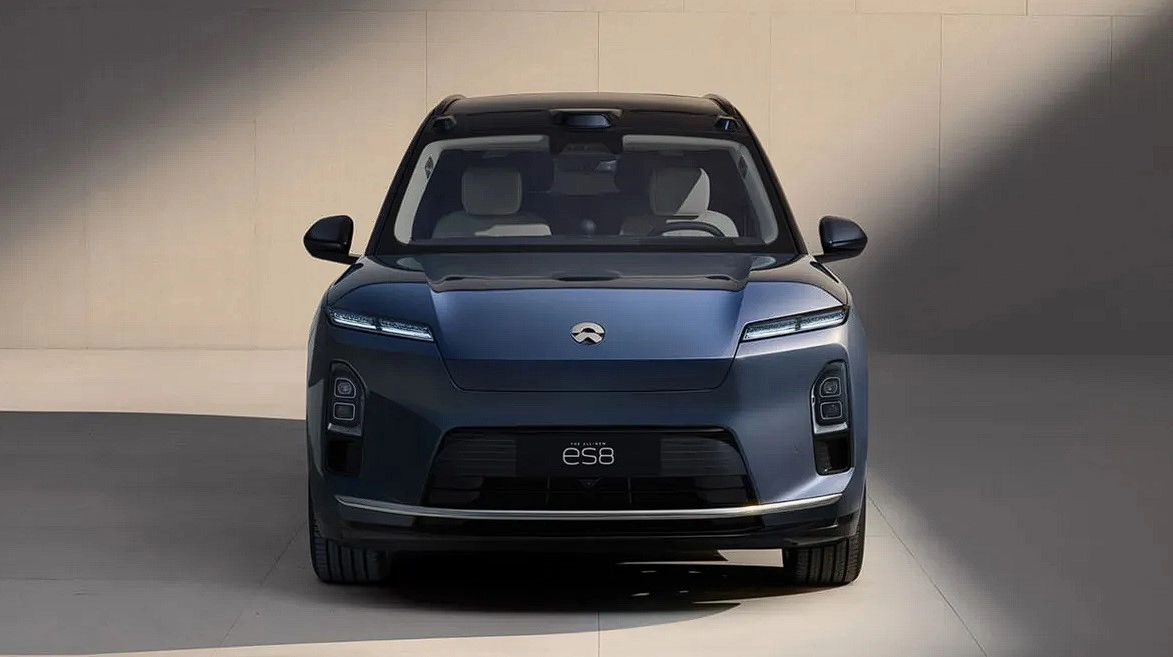
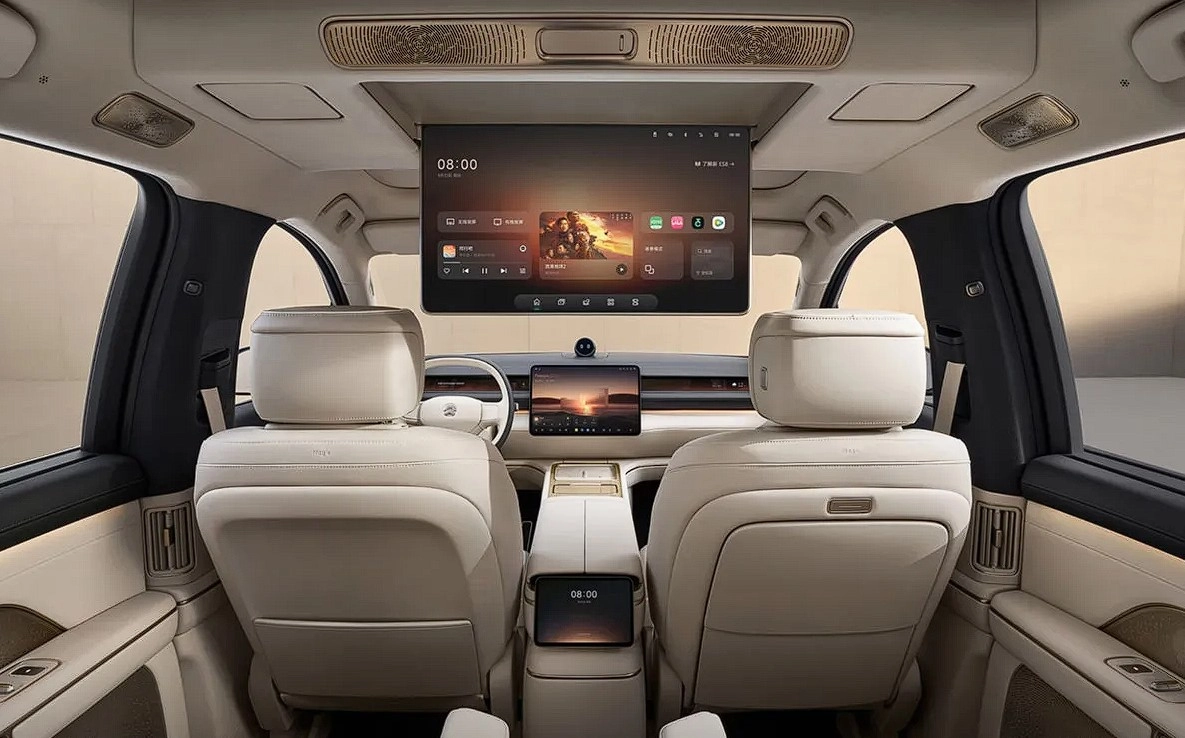
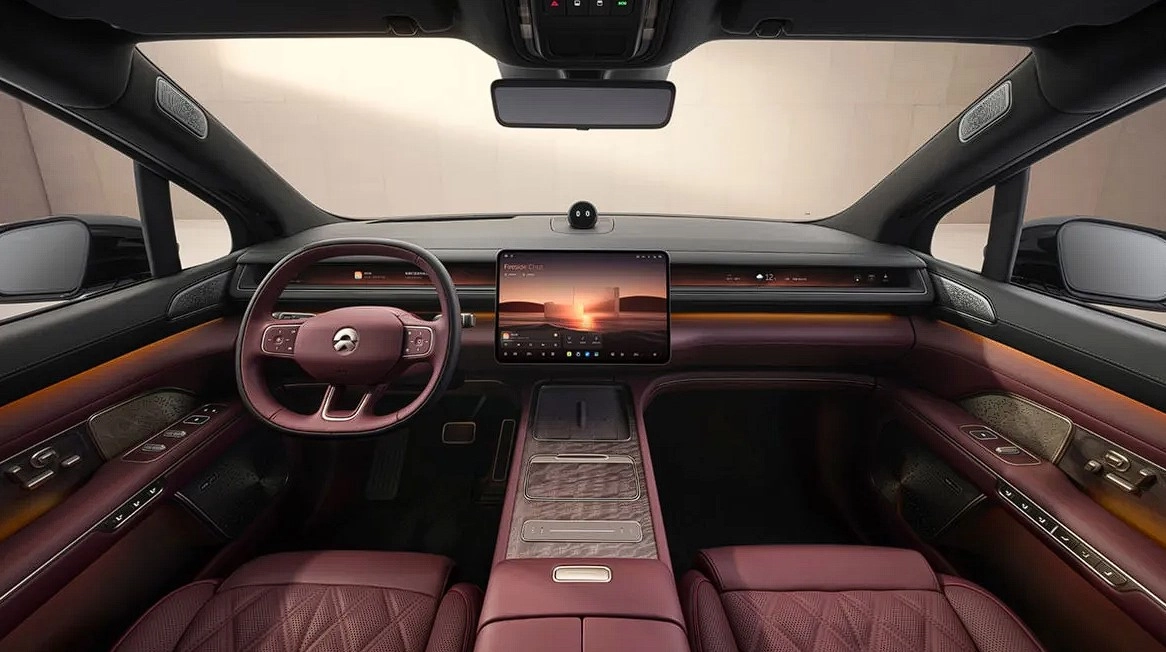
Built on a 900V high-voltage platform, the ES8 offers a CLTC range of 635 kilometers with its 100 kWh battery and supports 4C charging speed. A future 120 kWh option will also support 5C fast charging. In terms of design, the ES8 comes with a refreshed face and features a large front trunk for the first time. The new ES8 has luxurious details inside and out and is equipped with Nio’s self-developed Shenji NX9031 autonomous driving chip. This chip provides computing power equivalent to four Nvidia Orin X chips.
The vehicle is also equipped with three LiDAR systems. The main LiDAR on the roof has a detection range of up to 500 meters, while the two side LiDARs have a wide angle of 120 degrees. The previous generation only had a single roof LiDAR.


You Might Also Like;