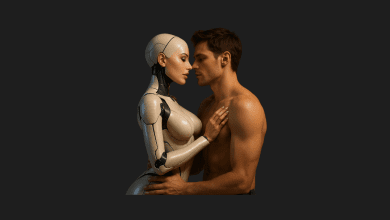
The Invisible Chains of the Algorithm: Are You Still in Control?


I used to look at science fiction movies—especially the ones about robot uprisings—and laugh. We all did. We imagined the end of human freedom would look like a metal army marching down the street, lasers firing, Terminators crushing skulls under their chrome feet. We were waiting for a war we could see.
But while we were watching the horizon for killer robots, the real invasion slipped quietly into our pockets.
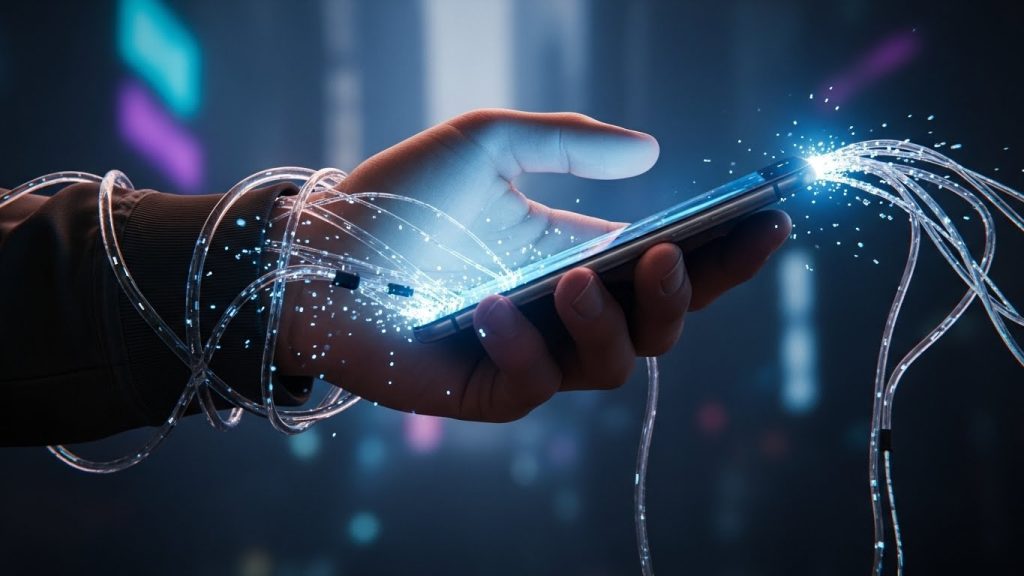
I looked at my hand this morning. I was holding my smartphone. It felt harmless, smooth, and helpful. But then I realized something terrifying: I didn’t pick it up. I didn’t have a reason to check it. My hand moved automatically, triggered by a phantom vibration or just the sheer anxiety of being unconnected for three minutes.
That is when it hit me. The robot uprising isn’t a future event. It’s happening right now. And the scariest part? It’s not physical force controlling us; it’s code.
The Myth of Free Will in the Digital Age

Let’s be brutally honest for a second. When you open YouTube, Netflix, or Instagram, do you really choose what you consume? Or are you just selecting from a menu that an AI has curated specifically to keep your eyes glued to the screen?
I’ve spent years analyzing tech trends, and the sophistication of modern algorithms genuinely scares me. They know us better than we know ourselves.


- They know when you are sad (and show you comfort buying ads).
- They know when you are angry (and show you political outrage content).
- They know when you are bored (and deploy short-form dopamine hits).
This isn’t just marketing; it is behavior modification.
The Dopamine Loop
The technology companies have hacked our biology. It is called the “Variable Reward Schedule.” It’s the same psychological mechanism that makes slot machines addictive. You pull the lever (scroll down), and you don’t know if you’ll get something boring or something exciting. That uncertainty releases dopamine.
I catch myself doing it all the time. I unlock my phone to check an email, and twenty minutes later, I’m watching a video about restoring antique rusty knives. I didn’t choose that. The algorithm decided that was the best way to steal twenty minutes of my life, and I let it.
Your Thoughts Are Being Outsourced
The loss of control goes deeper than just wasted time. It is about how we perceive reality.
If the algorithm decides what news you see, it frames your worldview. If it decides what products you encounter, it shapes your desires. We are slowly outsourcing our decision-making processes to a black box we don’t understand.
I often wonder: Are my opinions actually mine? Or are they just a reflection of the echo chamber the algorithm built around me to maximize my engagement time?
Because here is the cold truth: The algorithm does not care about your well-being. It doesn’t care if you are informed, happy, or mentally healthy. It has one metric: Retention. If making you angry keeps you scrolling, it will feed you anger. If making you insecure makes you buy things, it will feed you insecurity.
The “Convenience” Trap
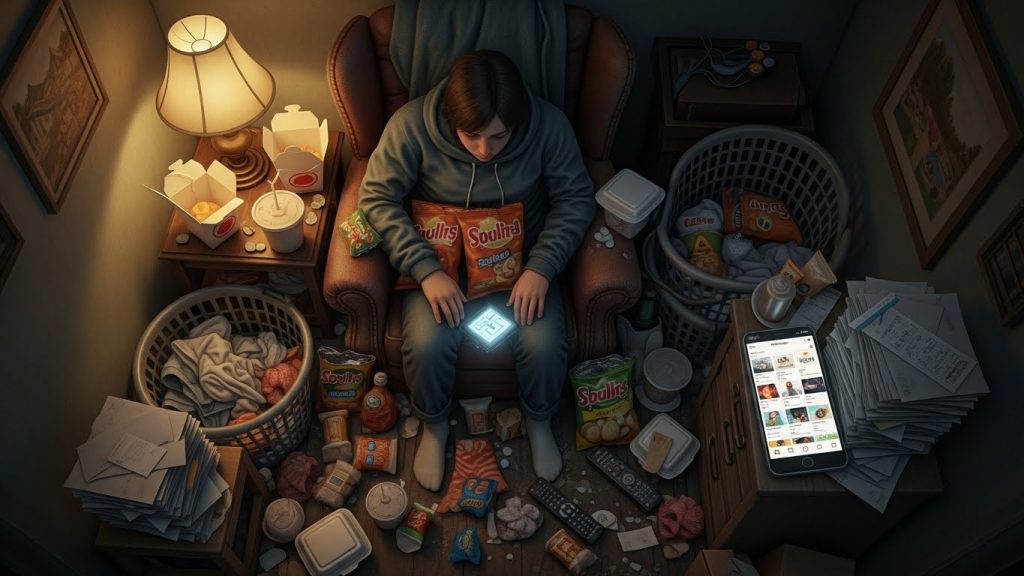
We surrendered our control voluntarily because it was convenient.
- GPS means we never get lost, but we also lost our sense of direction.
- Spotify Autoplay means the music never stops, but we stopped exploring new genres on our own.
- Predictive Text suggests what we should say next, subtly altering our vocabulary and tone.
We are trading agency for ease. It feels like a good deal until you realize you can’t function without the machine guiding you.
How to Reclaim Your Mind (Before It’s Too Late)

I’m not saying we should smash our phones and go live in the woods. I love technology. I love the Metaverse. But I want to use these tools on my terms, not theirs.
Here is what I’ve started doing to take back a little bit of control. It’s hard, but it’s necessary:
- Turn Off Non-Human Notifications: If a real person isn’t trying to talk to me, I don’t want my phone to buzz. No “breaking news,” no “app updates,” no “your friend just posted.”
- Greyscale Mode: I switch my screen to black and white during work hours. You have no idea how unappealing Instagram looks without color. It breaks the dopamine loop instantly.
- The “Why” Pause: Before I unlock my phone, I ask myself, “What is the specific purpose for this?” If I don’t have an answer, I put it back in my pocket.
The Final Verdict
The metal army isn’t coming. The wires aren’t wrapping around our bodies; they are wrapping around our minds. The smartphone in your hand is the most powerful tool for information ever created, but currently, it is using you.
The next time you reach for your phone, stop for one second. Look at your hand. Ask yourself who is really in charge. Because if you don’t make the decision, the algorithm will make it for you.
And I want to hear from you—be honest. Check your screen time stats right now. What is the number? Does seeing that number make you feel like the master of your device, or its servant? Let’s talk about it in the comments.
You Might Also Like;