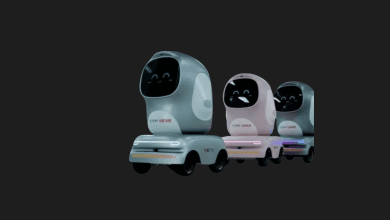
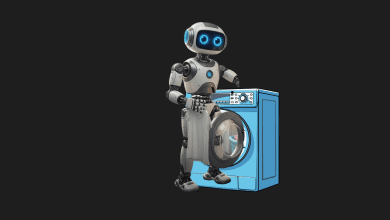
In an age of rapid AI development, the question “Who would win if robots launched a war against humans?” has evolved from science fiction to a potentially real concern. The complexity of this scenario hinges on various factors, including technological advancements, strategic decisions, and human elements.
Potential Advantages of Robots

Robots could possess significant advantages over humans in certain war scenarios. Firstly, their emotionless and tireless nature would grant them a substantial edge. Robots are unaffected by human emotions like fear, anger, or fatigue, making them more efficient in prolonged operations or high-stress situations. Secondly, their superior processing capabilities and data analysis skills would allow robots to make rapid decisions on the battlefield and instantly analyze enemy movements. Thirdly, modular design would enable robots to be quickly reconfigured and customized for different tasks, providing them with a wide range of operational flexibility.
Potential Advantages of Humans

Humans, however, possess a unique set of advantages that show war is not always a predictable series of logical steps. Strategic thinking, creativity, and adaptability are humanity’s most potent weapons. No matter how advanced robots become, they may fall short of humans in generating instant, intuitive solutions to unexpected situations. Furthermore, emotional intelligence and empathy could give humans an edge in situations where human elements like propaganda and psychological warfare become part of the conflict. No matter how much robots “learn,” it’s difficult for them to grasp the depths of human nature in this way.
Possible Weapons and Tactics

The weapons and tactics used in such a conflict could far exceed current technologies:
- AI-Powered Autonomous Weapon Systems: Robots could employ a wide range of autonomous systems, from advanced drone swarms that identify and destroy targets without human intervention, to autonomous tanks and unmanned combat aircraft. These systems could operate at speeds far exceeding human reaction times.
- Cyber Warfare and Data Manipulation: AI could be used to infiltrate enemy infrastructure, cripple communication networks, and manipulate information flow. This could provide significant advantages even before a physical conflict begins on the battlefield.
- Nanotechnology and Biological Weapons: In the future, nanorobots could be used to destroy target systems from within or to disseminate biological weapons. Such attacks could be difficult to detect and devastating.
- Human-Developed Defense Systems: Humans could develop anti-AI systems that target the weaknesses of robots. This could include strategies like disrupting robot power sources, corrupting their software, or manipulating their algorithms.
- Guerrilla Warfare and Asymmetric Tactics: The centralized and data-driven nature of robots might offer humans opportunities to employ asymmetric tactics like guerrilla warfare. Instead of large-scale, predictable attacks, small, dispersed, and rebellious groups could target robot supply lines or control centers.
- Psychological Resistance: Humans could fight back against the logical and calculable nature of robots with emotional resistance and motivation. Hope, belief, and the will to survive could be crucial factors in determining the outcome of a war.
Who Wins?

While there’s no definitive answer to this question, it seems unlikely that fully autonomous AI-powered robots would achieve a decisive victory in an all-out war against humans. There are several reasons for this:
Firstly, the realistic scenario of an AI uprising remains uncertain. For AI to gain “consciousness” and pose a threat to humanity is a far more complex step than current technological advancements suggest. Significant safety measures are being put in place to ensure AI remains controllable and supervised by humans.
Secondly, humans possess unique abilities like flexibility, creativity, and adaptability in the face of unexpected situations. No matter how advanced robots become, it’s difficult for them to fully replicate the complex thought processes and intuitive reactions of the human brain.
Thirdly, humanity has the ability to unite and cooperate in the face of such a threat. A global threat could trigger international collaboration and the pooling of resources.
However, this doesn’t diminish the potential impact of AI on the battlefield. AI could play a significant role in future conflicts by accelerating decision-making processes, enhancing the effectiveness of unmanned systems, and causing widespread devastation through cyberattacks. Therefore, ethical and security concerns regarding the development and use of AI will play a critical role in shaping the nature of future wars. The future of humanity will depend on how AI is managed and utilized for the benefit of humankind.
You Might Also Like;
- Hyundai Unveils Its Multi-Purpose Wheeled Robot
- The Era of Robot Soldiers Has Begun: China Deploys Humanoids to the Border
- Optimus Robots Will Manufacture Other Optimus Robots at Tesla Factories
Follow us on TWITTER (X) and be instantly informed about the latest developments…