
I still remember the dark days of the crypto mining boom. I remember refreshing retail pages, hoping to catch a glimpse of a “Buy Now” button, only to see prices that made my wallet weep. If you’re a gamer like me, you probably have PTSD from that era.
Well, I hate to be the bearer of bad news, but I’m looking at the market data, and it feels like we are walking right into a sequel. But this time, the “villain” isn’t a crypto miner in a garage; it’s the insatiable hunger of Artificial Intelligence.
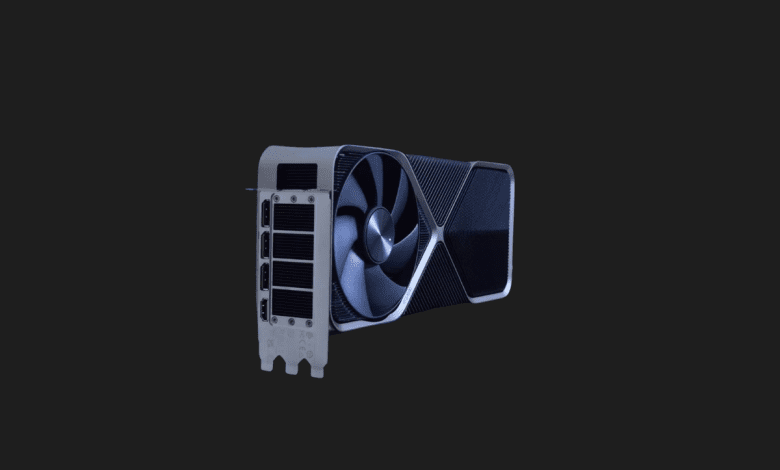
We recently talked about the RAM crisis caused by AI companies sweeping up memory supplies. Now, the contagion has spread to the heart of our gaming rigs: the Graphics Card.
It’s Not Just Crypto 2.0 – It’s Bigger
When crypto crashed, the GPU market flooded with used cards, and things eventually normalized. This situation is different. The demand for AI isn’t a bubble that’s going to pop overnight; it’s an infrastructure shift.
The uncomfortable truth is this: The companies we grew up loving—NVIDIA and AMD—are fundamentally changing their DNA.
For years, we were their primary customers. Now? We are becoming a secondary revenue stream. Over the last two years, I’ve watched the investment landscape shift entirely toward data centers. The profit margins there are simply staggering compared to selling a consumer GPU to you or me.


- NVIDIA has transformed from a gaming hardware company into a multi-trillion-dollar tech titan.
- AMD is aggressively pivoting to capture corporate market share.
- The Result: The slice of the pie dedicated to “consumer gaming” is getting thinner.
The “Profit Per GB” Logic
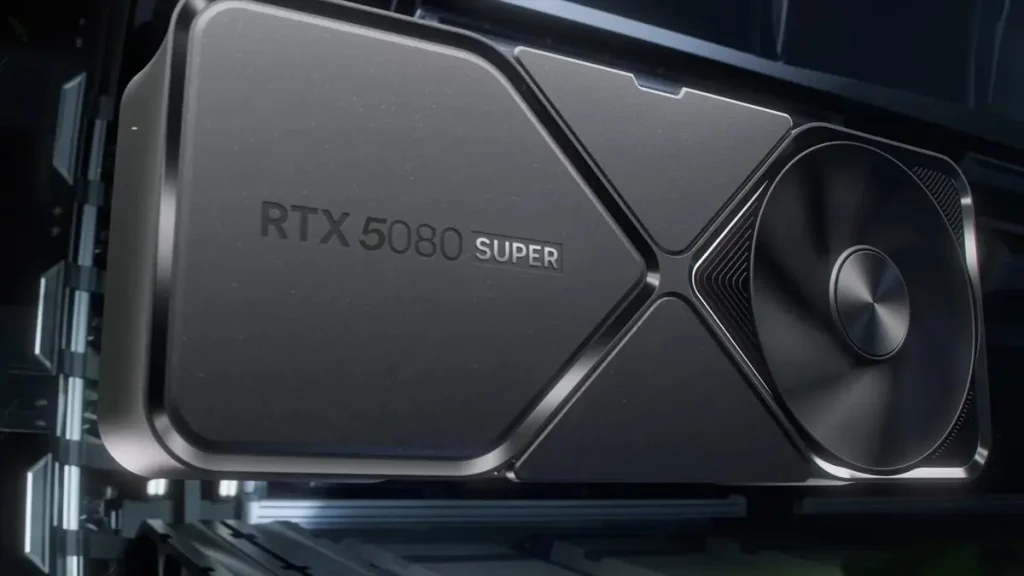
I’ve been digging into why we are seeing massive delays in the next-generation roadmaps, and it boils down to a metric called “Profit per GB.”
Manufacturers are looking at their silicon wafers and asking: “Should I use this capacity to make an RTX card for a gamer, or an AI accelerator for a data center?” The AI chip brings in exponentially more profit for the same amount of manufacturing effort.
This logic is causing significant shifts in the release calendars we were counting on:
- NVIDIA RTX 50 SUPER Series: Rumors are swirling that this refresh might slip into late 2027.
- NVIDIA “Rubin” Architecture: Originally planned for a 2027-2028 window, this is being pushed even further back.
- AMD RDNA 5: Don’t expect to see these next-gen contenders until the second half of 2027.
The Hidden DRAM Drama
Here is a detail that really shocked me during my research. The shortage of VRAM (Video RAM) is getting so severe that NVIDIA is reportedly changing how they deal with board partners (like ASUS, MSI, etc.).
Allegedly, NVIDIA is no longer bundling the GPU core with the memory for some partners. They are essentially telling them, “Here is the chip, good luck finding the VRAM yourself.” This creates a chaotic supply chain where costs inevitably spiral upward—and guess who pays that extra cost? We do.
The Shelf Reality: Prices Up, Stocks Down
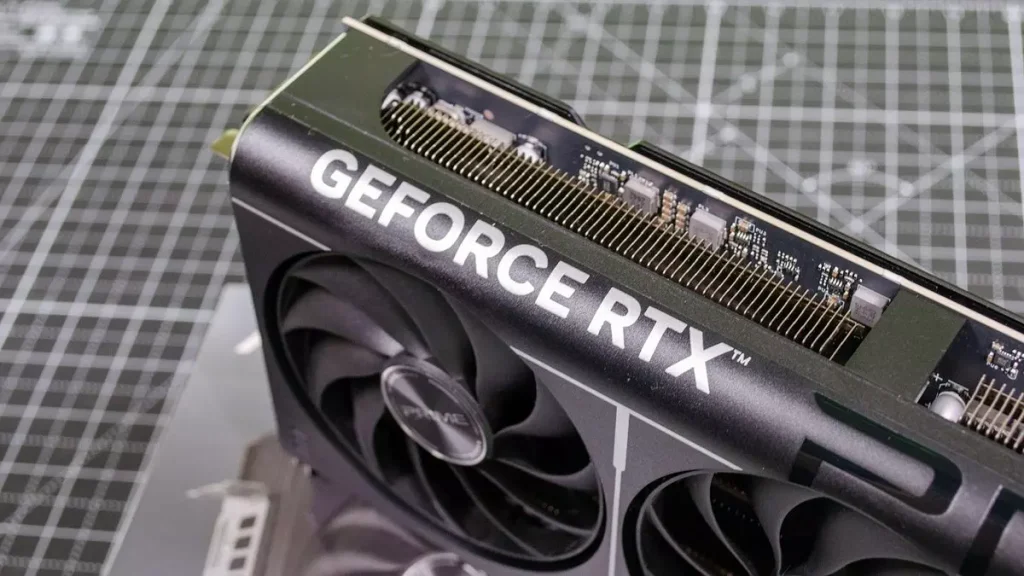
You might be thinking, “Ugu, I can still find a GPU on Amazon right now.”
Yes, you can. But for how long, and at what price? I’ve noticed a creeping trend over the last few months. The “good deals” are vanishing. Retail stocks for high-end cards are drying up faster than they are being replenished.
We aren’t at the “empty shelf” stage yet, but we are definitely in the “unreasonable price” stage. Finding a powerful card at MSRP (Manufacturer’s Suggested Retail Price) is becoming a quest in itself. The priority for DRAM and silicon is clearly the enterprise sector, leaving the consumer market to fight over the scraps.
My Honest Advice for Gamers
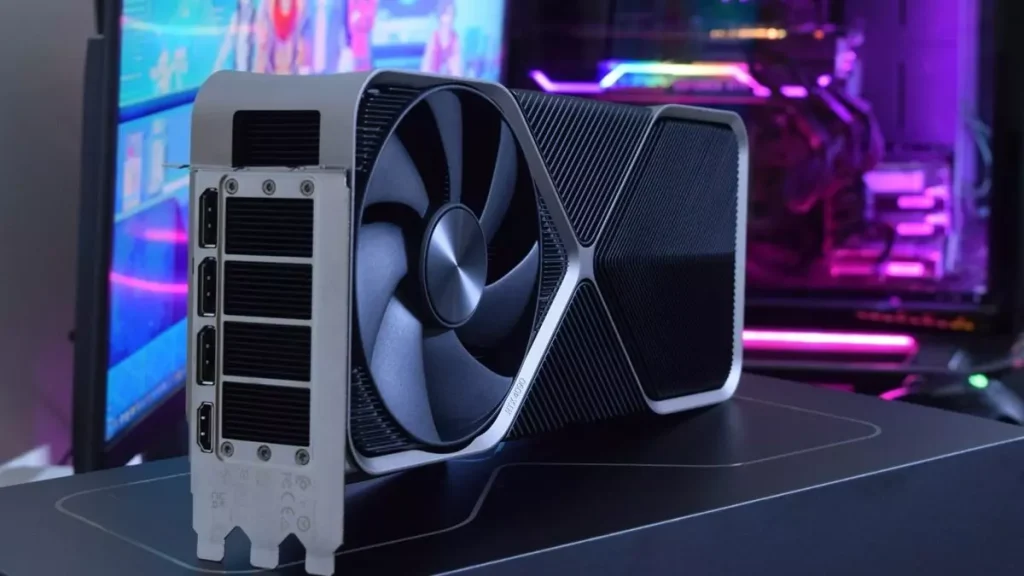
I know we all love upgrading. I love the smell of unboxing a new GPU as much as anyone. But looking at this roadmap, I have to be realistic with you.
Hold the line.
If you have a decent card right now—an RTX 30 series or even a decent 20 series—hug it tight. The short-term future does not look bright for affordable upgrades. The giants of the industry aren’t rushing to save us; they are too busy building the brains of the next AI generation.
The best strategy right now is patience. Upgrading just for the sake of it is going to cost a premium that frankly isn’t worth the performance jump in this inflated market.
I’m curious about your setup. Are you planning to panic buy before things get worse, or are you going to ride out the storm with your current rig?
Tell me in the comments below!
You Might Also Like;