The global energy landscape is on the cusp of a profound transformation. Driven by the urgent need to combat climate change, enhance energy security, and meet the ever-growing global demand for power, a new generation of energy technologies is emerging. These innovations promise to reshape how we produce, store, and consume energy, paving the way for a more sustainable and resilient future. This article delves into the most promising and impactful future energy technologies that are set to define the 21st century.
The Evolution of Renewable Energy

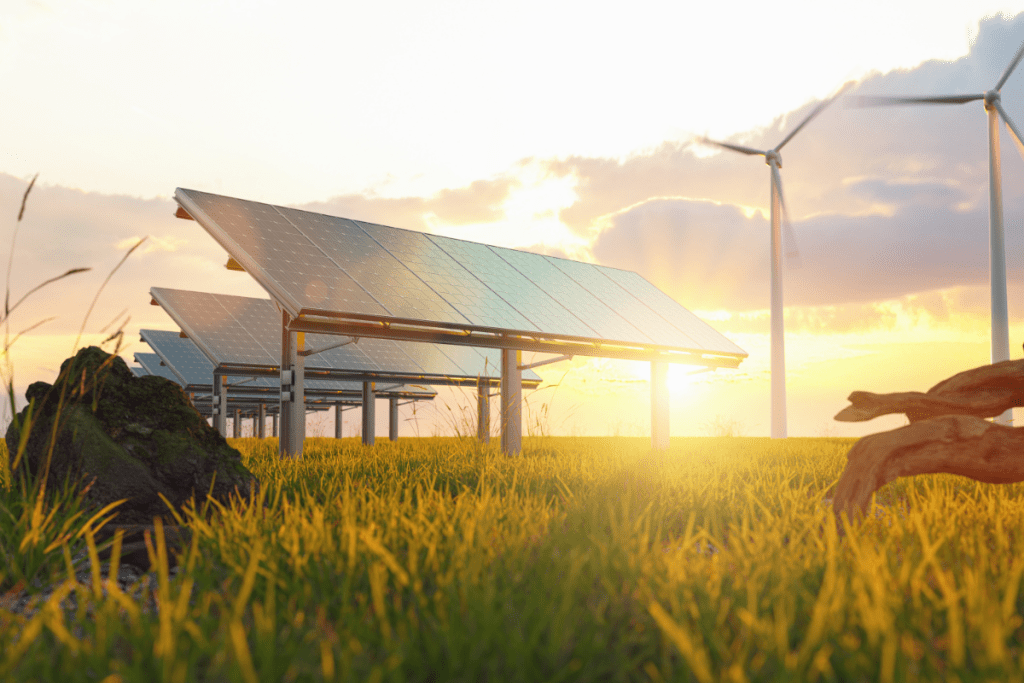
At the forefront of this energy revolution is the continued advancement of renewable energy sources. While solar and wind power are now established pillars of the energy sector, ongoing innovation is pushing their boundaries further than ever before.
Next-Generation Solar: Beyond conventional silicon-based photovoltaic (PV) panels, researchers are exploring novel materials like perovskites. Perovskite solar cells are not only cheaper to produce but also boast impressive efficiency rates, with the potential to be integrated into windows, building facades, and even flexible electronics. Furthermore, advancements in multi-junction solar cells are pushing the theoretical limits of solar energy conversion, promising to extract significantly more power from the same amount of sunlight.
Harnessing the Power of Wind: The future of wind energy lies in larger, more efficient turbines and the exploration of new frontiers. Floating offshore wind farms are a particularly exciting development, allowing for the harnessing of stronger and more consistent winds in deep-sea areas where traditional fixed-bottom turbines are not feasible. Additionally, innovations in blade design and smart turbine control systems are maximizing energy capture and operational lifespan.
The Crucial Role of Energy Storage

The intermittent nature of renewables like solar and wind presents a significant challenge. This is where energy storage solutions become critical. The ability to store excess energy generated during peak production times and release it when demand is high is the key to ensuring a stable and reliable grid.
Beyond Lithium-Ion: While lithium-ion batteries dominate the current market, the future of energy storage is diverse. Solid-state batteries, for instance, offer the potential for higher energy densities, faster charging times, and improved safety compared to their liquid electrolyte counterparts. Flow batteries, which store energy in external tanks of liquid electrolyte, are another promising alternative for large-scale, long-duration storage.
Innovative Storage Concepts: Researchers are also exploring more unconventional storage methods. Gravity-based storage systems, which lift and lower massive weights to store and release energy, and compressed air energy storage (CAES) are gaining traction. Furthermore, the potential of hydrogen as a long-term energy storage medium is a significant area of research and development.
The Rise of Intelligent Energy Systems

The integration of artificial intelligence (AI) and machine learning is revolutionizing energy management. Smart grids are at the heart of this transformation. These intelligent networks use real-time data from sensors and smart meters to optimize energy distribution, predict demand fluctuations, and prevent outages.
AI algorithms can analyze vast datasets to improve the accuracy of renewable energy forecasting, enabling grid operators to better manage the variability of solar and wind power. In homes and businesses, AI-powered energy management systems can learn user behavior to optimize energy consumption, reducing waste and lowering costs. This shift towards a more data-driven and automated energy system is crucial for enhancing efficiency and reliability.
Game-Changing Breakthroughs on the Horizon

Beyond incremental improvements, several disruptive technologies hold the potential to completely redefine the energy landscape.
The Promise of Nuclear Fusion: For decades, nuclear fusion—the same process that powers the sun—has been the holy grail of clean energy. Recent breakthroughs in reactor design, particularly with tokamaks and stellarators, have brought us closer than ever to achieving net energy gain. A successful fusion reactor would provide a virtually limitless source of clean, safe, and carbon-free energy.
The Hydrogen Economy: Hydrogen is emerging as a versatile and clean energy carrier. When produced using renewable electricity (green hydrogen), it can be used to power vehicles, generate electricity, and decarbonize heavy industries like steel and cement production. While challenges remain in terms of cost and infrastructure, the potential of a global hydrogen economy is immense.
Carbon Capture and Utilization: To address emissions from hard-to-abate sectors, carbon capture, utilization, and storage (CCUS) technologies are essential. These systems capture carbon dioxide (CO2) emissions at their source, preventing them from entering the atmosphere. The captured CO2 can then be stored deep underground or utilized to create valuable products like concrete, plastics, and synthetic fuels.
The Importance of Advanced Materials and Decentralization

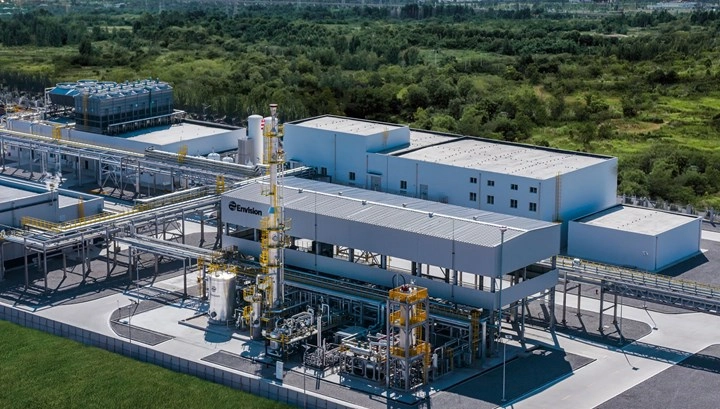
Underpinning many of these technological advancements is the development of advanced materials. From the high-strength, lightweight composites used in wind turbine blades to the novel catalysts enabling more efficient hydrogen production, materials science is a key enabler of the energy transition.
Furthermore, the trend towards decentralized energy is gaining momentum. This model, characterized by localized energy generation and storage (such as rooftop solar and community batteries), empowers consumers and creates a more resilient and flexible energy system.
The journey towards a clean energy future is not reliant on a single solution but on a portfolio of innovative technologies. The continued evolution of renewable energy, coupled with breakthroughs in energy storage, the intelligence of smart grids, and transformative technologies like nuclear fusion and hydrogen, paints a hopeful picture. The development and deployment of these future energy technologies, supported by advancements in advanced materials and a shift towards decentralized energy systems, will be paramount in addressing the global climate crisis and ushering in an era of sustainable prosperity. The path forward requires continued investment, international collaboration, and a shared commitment to innovation.
You Might Also Like;
-

-

-

-

-

-

-

-

-

-

-

-