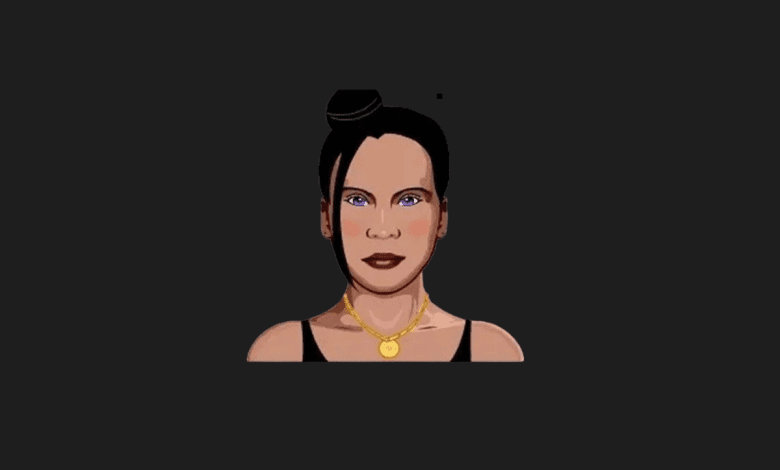

While modern AI tools like ChatGPT are at the peak of their popularity, a pioneer whose roots date back to the 90s has almost been forgotten: A.L.I.C.E. Developed nearly 30 years ago, this bot paved the way by simulating human interaction using a simple pattern matching method.
Even though ChatGPT, Grok, and countless modern AI tools are a part of our lives today, the roots of chatbots actually go back much further, to the 90s. Some of these early-era bots, like Microsoft’s Tay (remembered for its tragicomic end), have become history. However, there is a pioneer that was incredibly popular back in the day, yet whose name is hardly mentioned anymore: A.L.I.C.E.
Also known as Alicebot, the full name of this historical chatbot stands for Artificial Linguistic Internet Computer Entity (A.L.I.C.E.). It first came to life nearly 30 years ago, in November 1995. Of course, “came to life” is an inadequate phrase by modern AI standards, as Alice was only a basic natural language chatbot that could not pass the Turing test, unlike today’s complex artificial intelligences.
Alice’s operating principle was based on a heuristic pattern matching method. Simply put, it would read the input from the user, search a known database to find a pattern that matched the query, and provide a predetermined response appropriate for that pattern.
Alice was designed by Richard Wallace as a framework that other developers could build upon, using the Artificial Intelligence Markup Language (AIML) that he also created. The bot didn’t do anything “fancy” by modern AI standards, but at the time, it was innovative and quite advanced.
Alice as a Conversation Partner

Alice’s primary goal was to simulate human interaction by answering questions about a young woman’s age, hobbies, and other interests. Just like many people today rely on ChatGPT for personal topics, hobbies, or non-work tasks, Alice was also originally a conversational chatbot that users employed to discuss personal matters.


Alice also achieved great success in the Loebner Prize, an annual competition dedicated to showcasing AI-based programs that appear human, winning the award in 2000, 2001, and 2004.
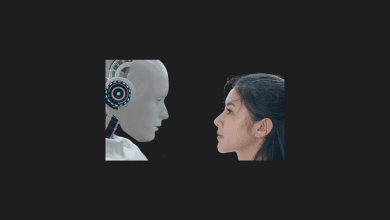
Alice’s success even inspired popular culture. Director Spike Jonze directly cited A.L.I.C.E. as the inspiration for his 2013 film, “Her,” which stars Joaquin Phoenix as a man who falls in love with a virtual chatbot.
What Happened to Alice?
Today, Alice is no longer actively used as it once was. The biggest reason for this is that it requires a special AIML interpreter to run, a limitation that modern AI infrastructures have overcome.
However, even though Alice’s active life may have ended, it is an undeniable pioneer that paved the way for the online AI chatbot experiences we have today. You can still download Alice’s open-source code from Richard Wallace’s GitHub page.
You Might Also Like;