
Tesla has announced that its largest charging station to date is now fully operational. Built in California, the facility features 164 charging points powered by solar panels and batteries.
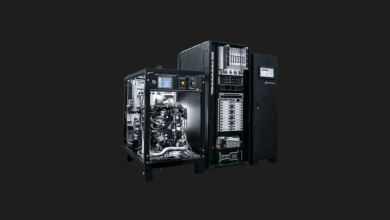
Powered by Solar and Megapacks Tesla announced that all Supercharger units at its largest charging station are now in service. Located in the Lost Hills region of California, this massive facility is powered by 11 MW solar canopies that provide shade for the parking spaces. Energy generated by the panels is transferred to 10 Megapack batteries with a total storage capacity of 39 MWh.
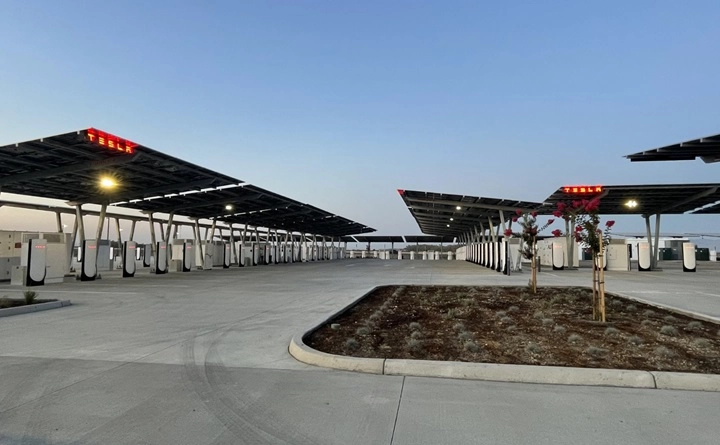
164 Charging Points Available To put it in perspective, a typical fast-charging point usually has between four and twenty charging units. Tesla has distinguished itself with larger installations in this regard. Previously, the 120-unit Supercharger station in Barstow, California was the company’s largest. The new facility contains 164 charging units.
This new facility by Tesla could set a new standard for fully sustainable electric vehicle charging. It also demonstrates Tesla’s vertical integration approach. The company not only manufactures electric vehicles but also develops charging stations and the energy systems that power them. As other automakers turn toward public charging networks, home energy systems, and stationary battery solutions, such unified solutions are expected to become more common in the industry.
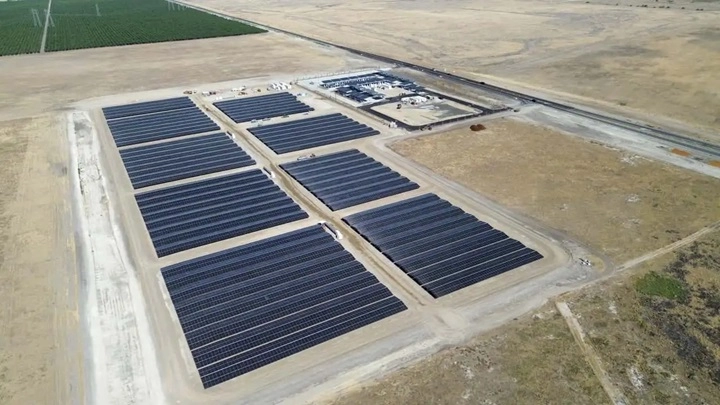
Installed Much Faster Due to Low Grid Reliance According to Tesla’s Director of Charging Max De Zegher, the combination of solar panels and batteries allowed the company to install this giant facility much faster than a traditional grid connection would allow. In the US, it can take utility companies months or even years to complete necessary infrastructure upgrades and activate a new fast-charging station.
The first 84 units of the station opened in early July, just 8 months after construction began. The completion of the entire site took approximately one year. Solar energy and battery storage play a critical role here. While renewable sources are clean, they are not constant. Batteries compensate for this by storing energy for use when the sun is not shining.


De Zegher notes that the station is not technically completely off-grid. There is a small grid connection at the station intended for future capacity increases. However, in practice, the station operates almost entirely on solar energy.
You Might Also Like;