Tesla’s In-Car Graphics Are Set to Get a Visual Upgrade: Here Are the Details

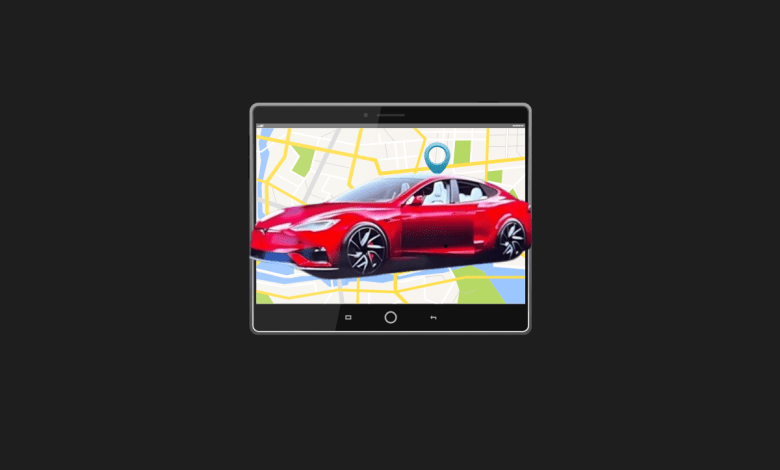

Tesla is ushering in the Unreal Engine era for its FSD and Autopilot visualizations. More realistic, detailed, and 3D-supported visuals will increase drivers’ sense of confidence.
It appears that Tesla is preparing for a radical change in its Full Self-Driving (FSD) and Autopilot visualizations. The company is reportedly moving away from the current open-source Godot engine and switching to the famous Unreal Engine, which is used in AAA games. This change was detected in new firmware versions for some Model S and Model X vehicles and will initially be active for models with AMD-based MCU 3 hardware. You can get an idea of what the visuals will look like from the videos below.
Unreal Engine is Coming to Teslas
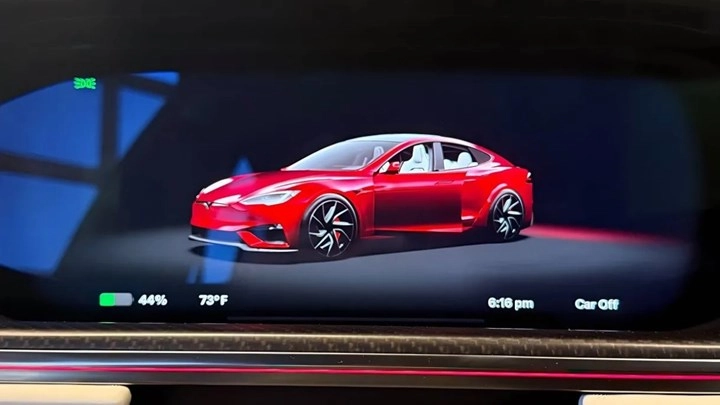
Godot, with its lightweight and efficient structure, has been sufficient until now for reflecting Tesla’s simple but functional vehicle and environment models. However, Unreal Engine, with its much higher visual quality and capacity to create photorealistic environments, will be able to offer a much more detailed and realistic driving experience on the vehicle screen. Rivian is also known to use Unreal Engine, but it is thought that Tesla will prefer a more realistic and minimalist style. In addition to Rivian, companies like Ford, GMC, Volvo, and Lotus also use Epic’s engine.
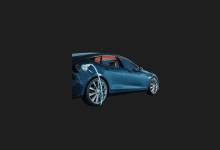
The new system is expected to not only improve vehicle and road visuals but also bring innovations such as 3D maps, more accurate vehicle models, lighting improvements, and the addition of new object types. For example, objects like speed bumps, road barriers, trailers, trash cans, or shopping carts can be shown on the screen.
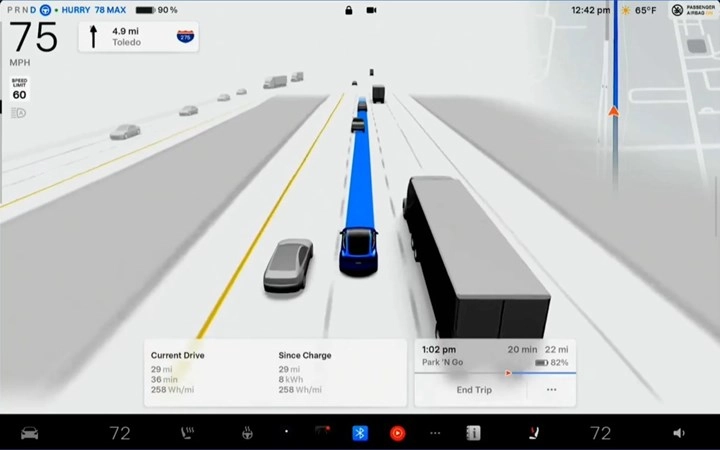
Visuals that are closer to reality can also increase driver confidence. In the current FSD visuals, some objects do not appear on the screen at all, which can cause drivers to hesitate about the vehicle’s perception capabilities. With Unreal Engine, the dimensions and shapes of surrounding vehicles can be reflected more accurately. This transition is not expected to come to Intel-based vehicles because Unreal Engine requires more powerful hardware. Therefore, the current changes will most likely only be available in vehicles with AMD processors. The first signs of the new engine were seen in firmware versions 2025.20 and later. Although an official release date has not been announced, it is estimated that it will be available to users in the next major interface renewal or in the year-end “holiday update” package.
You Might Also Like;
- Where and How is Silver Used in Electric Vehicles?
- Spain Announces €1.3 Billion Incentive Package to Boost Electric Vehicle Sales
- Waymo’s Autonomous Vehicle Hits Dog in San Francisco: Safety Concerns Reignite
Follow us on TWITTER (X) and be instantly informed about the latest developments…