Storing Electricity in the Ocean: The Next-Generation “Sea Battery” Technology

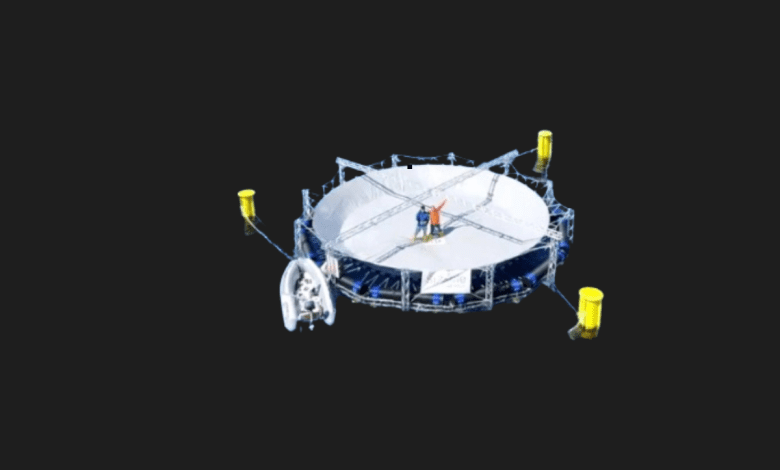

Sizable Energy aims to revolutionize energy storage with a pumped-storage hydropower system designed to operate on the seabed. The company targets starting commercial projects by 2026.
Pumped-storage hydropower technology has been around for nearly a century. In this system, water is constantly filled and emptied. Water is pumped up when electricity is cheap, and when there is a need for energy, the water flows down to turn turbines. A new startup named Sizable Energy aims to revolutionize energy storage by taking the logic of land-based hydroelectric power plants to the ocean.
According to the International Energy Agency (IEA), pumped-storage hydropower facilities worldwide can store 8,500 gigawatt-hours of electricity. However, this system has a drawback: the number of geographically suitable locations for pumped-storage hydropower on land is quite limited. Sizable Energy developed the idea of moving the technology from land to sea to solve this problem.
Technology Moves from Land to Sea
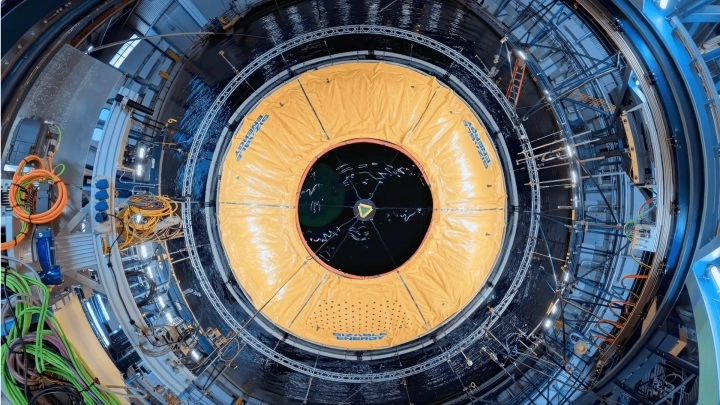
Founded on this idea, Sizable Energy recently secured $8 million in funding led by Playground Global, with participation from EDEN/IAG, Exa Ventures, Satgana, Unruly Capital, and Verve Ventures.
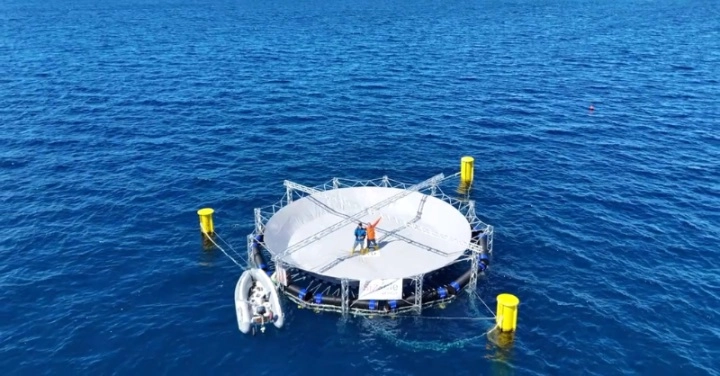
The system developed by the company works with a mechanism that uses a sea salt solution—about 20% denser—instead of fresh water and dams. This saltwater moves between a floating reservoir and a deep-water reservoir. By utilizing gravity and ocean depth, it can store and release gigawatt-scale energy without the environmental impact and land-use requirements of land-based hydro projects. Operating on the seabed eliminates the necessity of designing a new concrete dam every time, as is required on land. Consequently, this approach makes the system suitable for mass production.
Sizable first tested its technology in wave tanks and then off the coast of Reggio Calabria, Italy. The company is now preparing for the pilot installation of the floating components. The goal is to commission a full-scale demonstration facility by 2026 and then move on to commercial projects worldwide.

Just 20 Euros per kWh
In the full-sized system, each turbine will generate 6-7 megawatts of power, with one turbine located every 100 meters of pipeline. In areas 500 meters or deeper, a higher energy storage capacity will be achieved as the weight of the water increases. Each commercial facility will house multiple reservoirs, and the system’s energy storage cost will be approximately 20 euros (about $23) per kilowatt-hour (kWh). This translates to about a tenth of the cost compared to grid-scale batteries. The technology is also suitable for integration with offshore wind farms. Sharing the same power line to the shore could reduce costs even further.
You Might Also Like;