
Introduction I still remember the first time I sat behind the wheel of an electric vehicle (EV). It wasn’t the silence that shocked me, nor the futuristic dashboard; it was the instant torque. It felt like I was piloting a spaceship, not a car. But here is the hard truth I learned after diving deep into the technology: Treating an EV like a gas-powered car is a recipe for disaster.
If you are bringing habits from your old internal combustion engine (ICE) life into the EV world, you might be silently killing your battery and shredding your tires. I’ve researched the engineering behind these machines, and frankly, some of the things we do out of habit are actively hurting our wallets. Whether you already have an EV in your garage or are planning to buy one, these are the five habits you need to leave at the door immediately.
1. The Obsession with 100% Charge

In the old days, we filled the gas tank until the pump clicked off. It made sense. But doing this with an EV? Big mistake.
I know the anxiety. You want to see that battery icon full. However, lithium-ion batteries—the heart of your car—hate extremes. Keeping them at 100% places the chemical structure under immense stress. Think of it like a rubber band stretched to its absolute limit; eventually, it loses its elasticity.
- My Rule of Thumb: aim for the 20% to 80% sweet spot for daily driving.
- The Tech: Most modern EVs have settings to stop charging at 80% automatically. I use this feature religiously. I only charge to 100% if I’m planning a long road trip the next morning.
2. Abusing DC Fast Charging Stations

We all love convenience. Seeing the battery jump from 10% to 80% in 20 minutes feels like magic. But just like fast food, DC Fast Charging shouldn’t be your daily diet.
When you pump that much energy into a battery that quickly, you generate heat—the number one enemy of battery longevity. High voltage stresses the internal chemistry. I’ve seen data suggesting that frequent supercharging can degrade battery capacity significantly faster than slow charging.


- The Solution: Treat fast chargers as “emergency stops” or “road trip necessities.”
- Best Practice: Whenever possible, I rely on slower AC charging at home or work. It’s gentle, cooler, and keeps the battery happy for years.
3. Ignoring Your Tires (They Are Suffering!)
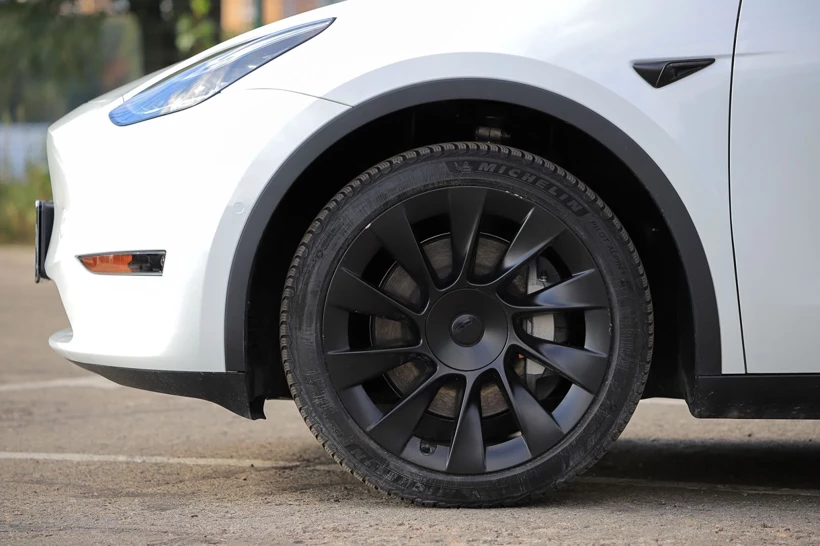
I used to check my tires maybe once a year on my old sedan. When I switched to electric, I realized that doesn’t fly anymore. Why? Weight and Torque.
EVs are heavy. That massive battery pack on the floor makes the car significantly heavier than its gas counterpart. Combine that weight with the instant torque that hits the wheels the moment you touch the pedal, and you have a perfect storm for tire wear.
- What I Do: I check my tread depth and pressure monthly.
- Pro Tip: Don’t be cheap on tires. I learned that buying “EV-specific” tires with low rolling resistance isn’t just marketing hype; it actually extends range and handles the weight better.
4. The “Lead Foot” Syndrome
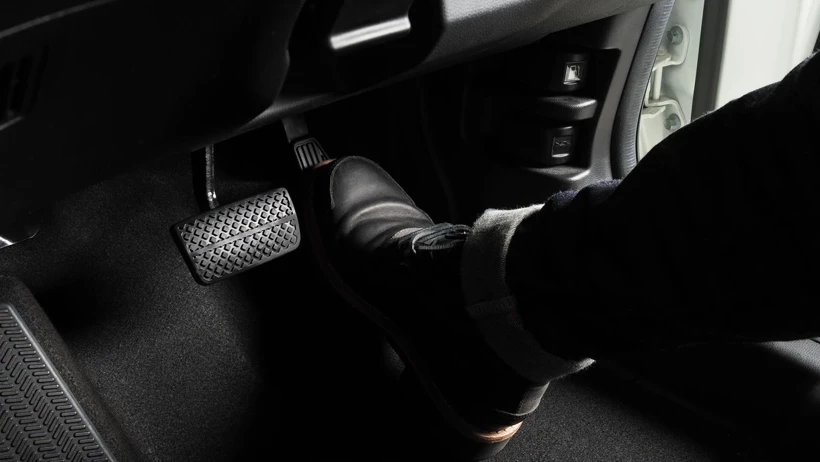
I get it. That “pushed back in your seat” feeling when the light turns green is addictive. It’s fun to show off to friends. But every time you floor it, you are draining the battery at an alarming rate.
That advertised 500km range? That’s calculated based on efficient driving. If you drive it like a sports car constantly, that range drops to 300km effectively. Plus, referring back to point #3, you are literally grinding rubber off your tires.
My Approach: I save the “Sport Mode” for rare occasions. Driving smoothly isn’t just boring; it’s actually a game to see how much energy I can regenerate through braking.
5. Skipping Software Updates
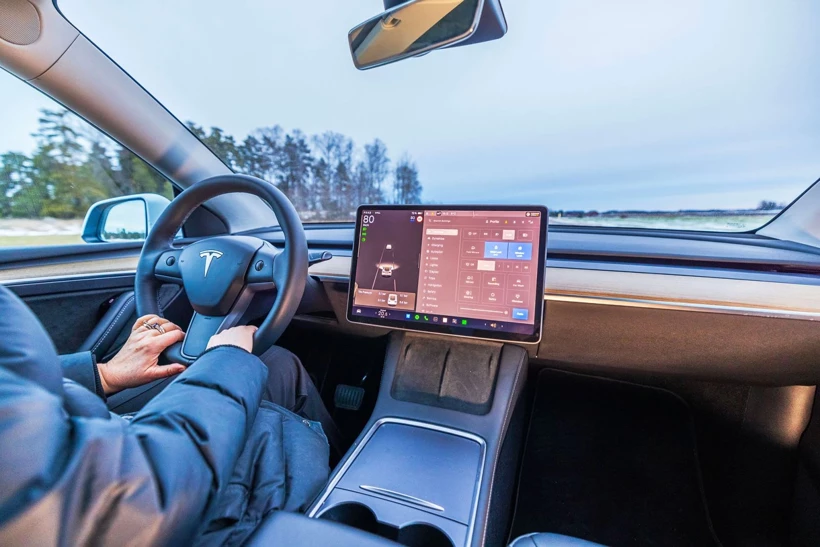
This was the weirdest adjustment for me. A car that updates like a smartphone? But today, your EV is basically a high-performance computer on wheels.
Manufacturers are constantly pushing over-the-air (OTA) updates. These aren’t just map updates; they often include critical patches for battery management systems, thermal regulation, and safety protocols. Ignoring the “Update Ready” notification is like ignoring a security patch on your laptop.
- Don’t Wait: When I see that notification, I install it immediately. It keeps the car secure and often optimizes efficiency for free.
You Might Also Like;