Speaking AI-ese: Is Artificial Intelligence the New Refuge for the Unsociable?



These questions ignite a significant debate about the deepening impact of technology on our language and human interaction. As AI transforms the way we communicate, it brings both risks and opportunities.
How is AI Transforming Language?

Recent research clearly demonstrates AI’s impact on our language use. With the widespread adoption of AI tools like ChatGPT, a noticeable increase in the frequency of certain words has been observed, even in academic YouTube videos. Researchers from the Max Planck Institute for Human Development note that words like “meticulous,” “delve,” “realm,” and “adept” are being used 51% more frequently than in the pre-ChatGPT era. The word “delve”, in particular, stands out as a “flare” signaling the presence of AI.
Researchers Hiromu Yakura and Levin Brinkmann state that this virtual vocabulary is seeping into our daily lives, changing not only our word choices but also how we speak and even the intonation in our language.
Loss of Trust in Communication and AI Suspicion

A study conducted at Cornell University indicates that AI features like auto-correction and spell-check in messaging help people choose more positive and emotional expressions, thereby increasing feelings of closeness in conversations. However, there’s another side to the coin: when people suspect that the person they’re communicating with is using AI assistance, feelings of trust and cooperation decrease.
Professor Mor Naaman points out that while AI “improves” communication, it also increases suspicion, leading to a deeper loss of trust. He believes the most concerning aspect is the loss of agency, where we express whatever AI helps us articulate instead of our own thoughts. This situation poses the risk of relying only on face-to-face communication in the near future, even viewing video calls with suspicion.
AI’s Bias Against Dialects and Linguistic Uniformity
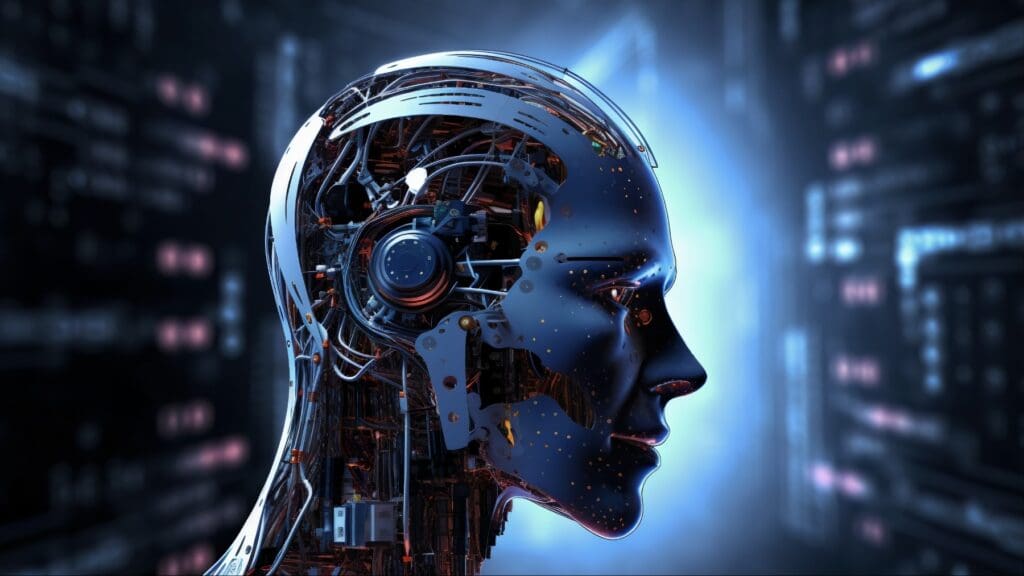
Another significant impact of AI on language is its bias against dialects. Researchers state that AI tends to be biased against dialects other than standard American English, threatening linguistic diversity and dialect-specific identity. This can lead to increased uniformity in language and a decrease in the authenticity and sincerity of human communication.


Professor Mor Naaman emphasizes that the real risk isn’t linguistic uniformity, but rather losing conscious control over our own thoughts and expressions.
AI for the “Merdümgiriz”: Support or Threat?

So, will AI become the new refuge for today’s “merdümgiriz”? The term “merdümgiriz” (Turkish, from Persian) refers to someone who avoids people, shies away from social interaction, and prefers solitude. English equivalents include unsociable, asocial, or unsocial. A stronger term, misanthrope, describes someone who dislikes or distrusts humanity.
ChatGPT’s answer to this question is quite balanced: AI can facilitate self-expression, boost confidence, and serve as a bridge for social interaction for those who are hesitant to express themselves. However, there are also risks; AI could weaken these individuals’ real communication skills and lead to social isolation.
In summary, AI can be both a support and a potential trap for today’s “merdümgiriz.” Used correctly and in balance, it can be a very beneficial tool for expression and support; but if overused, it can weaken genuine human communication.
It’s up to us to ensure that technology evolves to better reflect human diversity rather than flattening it. AI can transform language, but it’s in our hands whether we choose to make space for and preserve the verbal quirks and emotional complexities that make communication recognizably and irreplaceable human.
What do you think is the most crucial step we should take regarding this issue?
You Might Also Like;