SpaceX Makes Design Changes to Prevent Explosion of Mars-Bound Starship

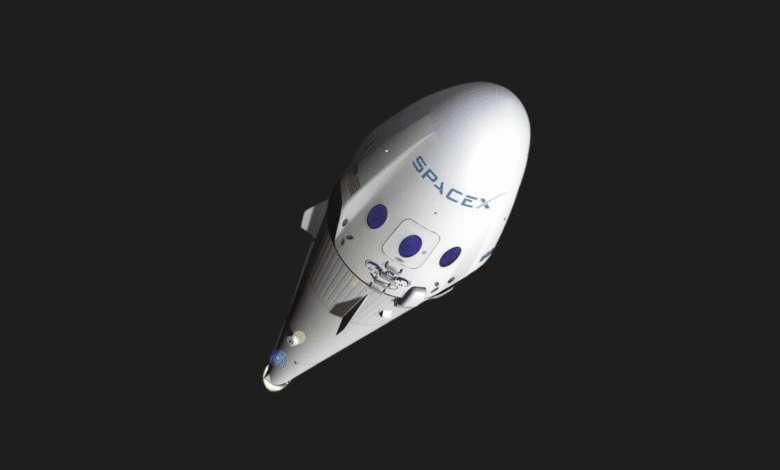

SpaceX has removed one of the four landing fins on the Super Heavy booster of its giant Starship rocket, which it aims to send to Mars, and has designed three new, larger fins.
SpaceX has redesigned certain parts of its giant Starship rocket, intended for Mars missions, to improve its stability and control. The most notable change was the removal of one of the four landing fins on the Super Heavy booster. Instead, three new grid fins, which are 50% larger and more durable, will be used to better steer the vehicle during descent.
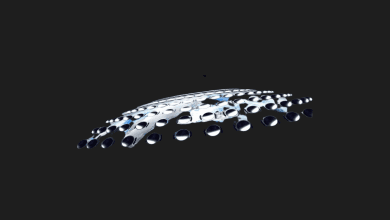
In photos shared on the X platform, the complex honeycomb-like structure of the new grid fins is noticeable. According to SpaceX, these are some of the largest aerodynamic control surfaces ever built for a rocket.
Will Be Able to Descend at a Steeper Angle and with More Control

Grid fins steer the air passing through them to control the rocket’s position and flight path during landing and reentry.
Thanks to the new design, with its larger surface area and reinforced structure, the booster will be able to achieve a steeper and more controlled descent.
The new fins are also being integrated into the booster’s catch system. These redesigned parts will align with the launch tower’s catch arms, which are designed to catch the descending booster mid-air.


SpaceX also states that it has added a new catch point to the booster and mounted the fins lower to better align with the tower’s arms. It is noted that this change allows the tower to catch the rocket directly, eliminating the need for a landing pad.
It is also mentioned that having the fins lower helps protect them from the intense heat of the rocket engines. Furthermore, the internal parts of the fins, such as the shaft, are now located inside the booster’s main fuel tank for better protection.
Many Unsuccessful Attempts in the Past

The Starship project has faced several failed test flights in recent months.
In the May test, the Super Heavy failed to return to the launch pad as planned and crashed into the Gulf of Mexico. The main ship exploded shortly after continuing its flight over the Indian Ocean. In June, the rocket’s upper stage exploded during a ground test.
SpaceX is currently preparing for the 10th orbital flight test, which will showcase the new design. It is stated that the next Starship launch attempt could take place on Saturday, August 16, between 06:30 and 20:30 local time.
You Might Also Like;