
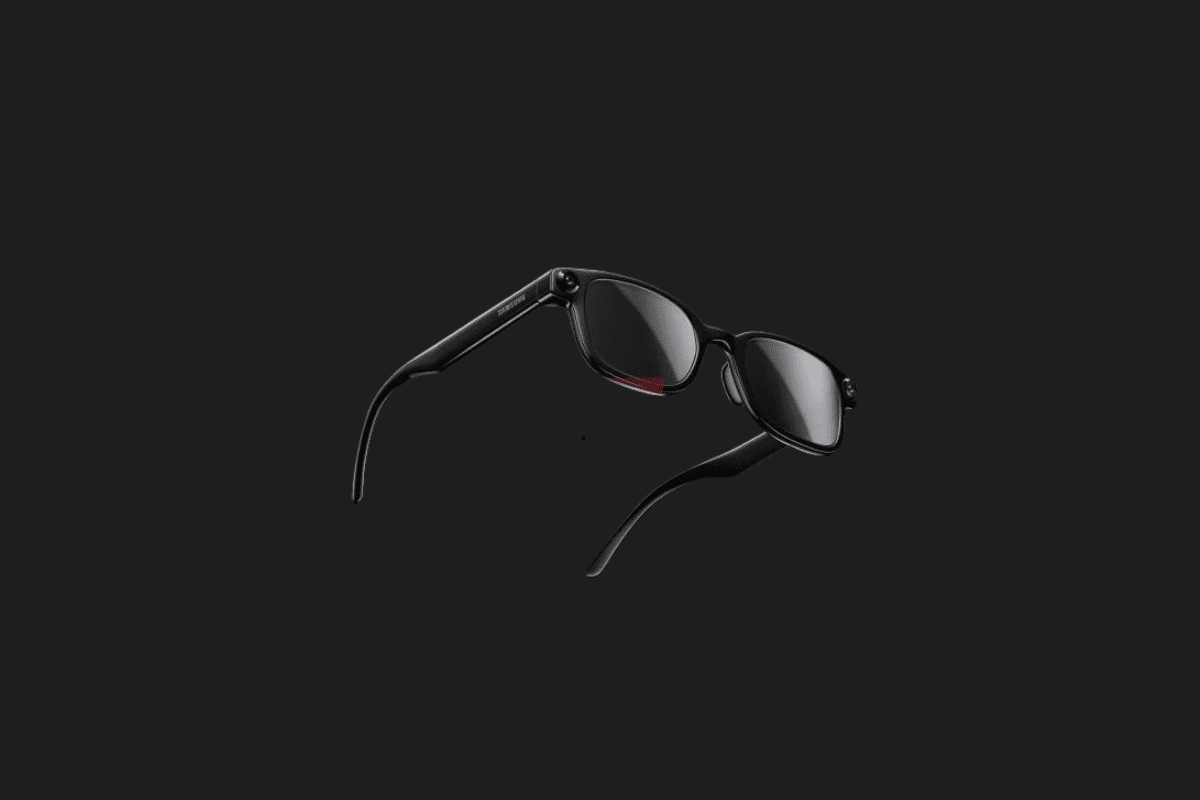
I was analyzing the latest tech sector leaks this morning, shifting through the usual noise, when something genuinely exciting caught my attention. We have been waiting for Samsung to make a serious move in the lightweight wearable space for a while now. The era of strapping heavy, isolating headsets to our faces is slowly evolving, and the focus is shifting toward tech that seamlessly integrates into our daily lives.
Enter “Jinju”—the codename for Samsung’s highly anticipated smart glasses. The latest leaks have blown the lid off this project, revealing both the design and the core specs. If you have been tracking the wearable market like I have, you will know that the competition is getting fierce. But after digging into these specs, I genuinely believe Samsung’s approach, heavily backed by Google’s AI ecosystem, might just shake up the entire industry. Let me break down exactly what we are looking at and why it matters.
The “Jinju” Philosophy: Why Going Screenless is a Masterstroke
When I first read that Samsung’s debut smart glasses wouldn’t have a built-in display, I paused. We always imagine the future of AR as having holographic menus floating in front of our eyes. But thinking about it practically, this is actually a brilliant strategy.
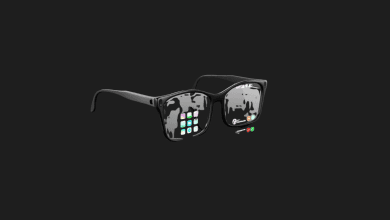
The leaked images show a device that looks almost identical to classic, stylish eyewear. This puts “Jinju” directly in the ring with Meta’s highly successful Ray-Ban collaboration. By ditching the heavy micro-displays, Samsung has managed to keep the weight down to a mere 50 grams.
I honestly prefer this approach for a first-generation daily driver. Instead of trying to force a clunky visual interface, Samsung is leaning into ambient computing—tech that is there when you need it and invisible when you don’t.
The Real Game Changer: Android XR and Gemini Integration

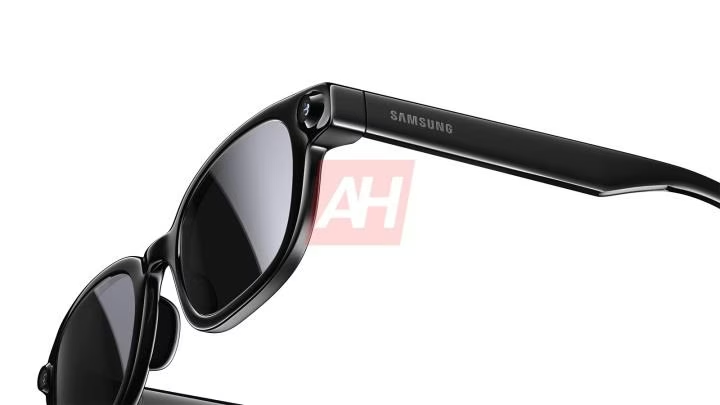
The hardware is just the vessel; the software is where the real magic happens. The leaks confirm that these Galaxy Glasses will run on Android XR, a completely new operating system built specifically from the ground up for next-generation wearables.
But what really gets me excited is the deep, native integration with Google Gemini. This isn’t just a basic voice assistant; it is a multimodal AI sitting right on your face. Based on the leaked capabilities, here is what that experience will look like:
- Real-Time Translation: Imagine walking through a foreign city, looking at a menu, and having Gemini instantly translate the text and read it into your ear.
- Contextual Awareness: You will be able to ask the AI questions about exactly what you are looking at in the real world.
- Seamless Navigation: Pulling directions from Google Maps without ever pulling out your phone.
Meta has had a head start with their own AI glasses, but integrating the raw power of Google Gemini and the broader Android ecosystem could offer a much more refined and deeply connected user experience.
Under the Hood: The Specs You Need to Know
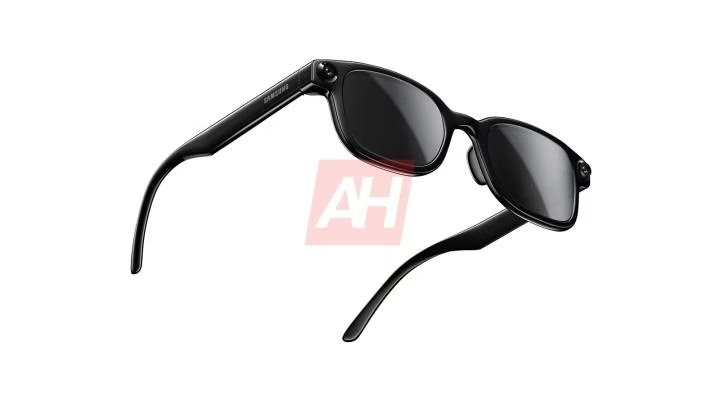
For a device weighing only 50 grams, Samsung has packed in some serious firepower. Here is the hardware breakdown:
- The Brain: The glasses are powered by the Qualcomm Snapdragon AR1 processor, a chip specifically optimized for the thermal and power constraints of smart glasses.
- The Eyes: It features a 12-megapixel Sony IMX681 sensor. This is perfect for capturing high-quality POV photos and videos on the go.
- The Audio: Say goodbye to ear-blocking earbuds. The glasses utilize directional speakers combined with bone conduction technology, allowing you to hear your music and AI assistant while staying completely aware of your surroundings.
- The Lenses: They are incorporating photochromic (transition) lenses that automatically adjust to different lighting conditions.
The only spec that makes me raise an eyebrow is the 155 mAh battery. Running an always-listening AI and a camera on such a tiny battery will require some absolute wizardry in software optimization. It will be interesting to see if they can guarantee all-day battery life.
The Future Roadmap: Enter “Haean”
While “Jinju” is designed for the masses, Samsung isn’t abandoning the true AR dream. The leaks also detailed their internal roadmap, revealing a second-generation model codenamed “Haean.”
Slated for release next year in 2027, this premium model will finally introduce a micro-LED display. This suggests that Samsung views the screenless “Jinju” as a bridge to get users comfortable with face-worn tech before introducing full, visually augmented reality.
Pricing and Launch: When Can We Get It?
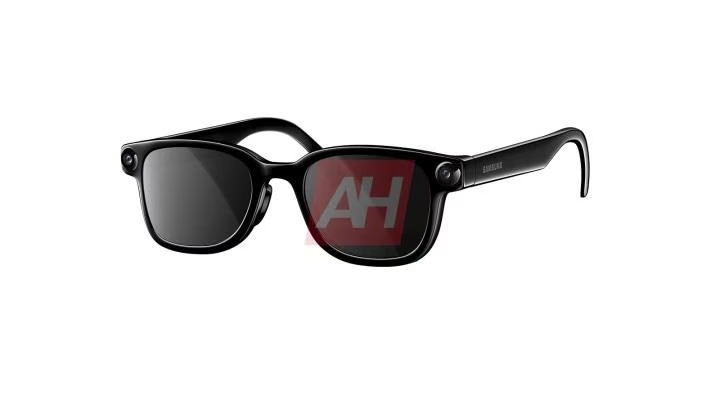
According to the data, the screenless Galaxy Glasses are positioned to launch with a highly competitive price tag ranging between $379 and $499. Considering the tech packed inside, that is a very strategic entry point to undercut or match their biggest rivals. For those waiting for the screen-equipped “Haean” model next year, expect to pay a premium of around $600 to $900.
While we don’t have a confirmed release date etched in stone yet, all signs point to a major reveal at the upcoming Samsung Unpacked event this July.
I’ve been analyzing tech trends for a long time, and I truly believe this screenless, AI-first approach is exactly what the market needs right now. But enough from me, I want to know what you think. Would you feel comfortable wearing AI-powered glasses in your daily life, or do privacy concerns still hold you back? Let’s discuss in the comments below!
You Might Also Like;
- Samsung Enters the Robotics Arms Race: Inside the New RX Unit
- The Danger of AI Confidence: Why We Are More Wrong Than Ever
- The Hidden Threat Above Us: Are We Facing a Nuclear Arms Race in Space?
-

-
-
-

-

-

-

-

-

-

-

-

