

I still remember when most of us looked at mixed reality headsets and saw nothing but high-end toys for hardcore gamers or niche gadgets for tech enthusiasts. We pictured ourselves sitting on our couches, swiping at virtual screens, or watching movies in simulated personal theaters. But after digging into the latest developments in the medical field, I have to admit that my imagination was entirely too small.
The real revolution isn’t happening in our living rooms—it’s taking place under the intense, sterile lights of the operating room. The Apple Vision Pro has officially leaped from being an entertainment device to a life-changing surgical tool, and what it is accomplishing right now is absolutely mind-blowing.
Let’s talk about how this piece of consumer technology is literally helping people see clearly again, and why I believe it’s going to permanently change the landscape of modern medicine.
A Digital Revolution in the Operating Room

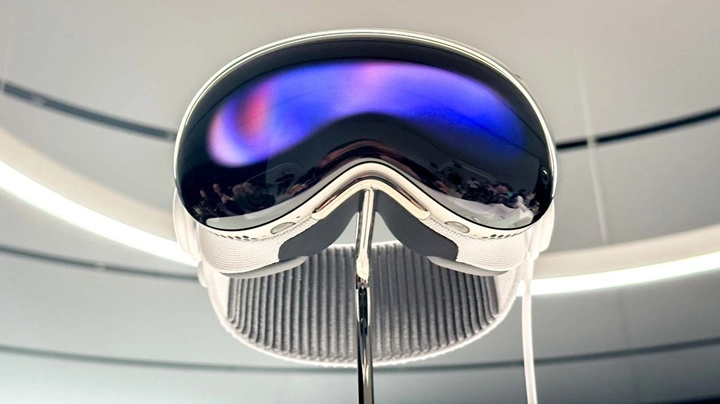
When I first came across the work being done at the SightMD center in New England, I was genuinely amazed. Dr. Eric Rosenberg hasn’t just integrated technology into his workflow; he has completely reimagined what an eye surgery looks like. By utilizing the Apple Vision Pro during a highly delicate cataract operation, he marked a significant milestone in medical history.
But here is the detail that really caught my attention: it’s not just about strapping a headset onto a doctor. The true magic happens because of ScopeXR, a custom software platform developed by Dr. Rosenberg himself.
How ScopeXR Changes the Game
Instead of looking away from the patient to check vitals or stare into a traditional, physically limiting microscope, the surgeon now operates within a deeply immersive, three-dimensional digital ecosystem.
- Holographic Data Layers: Crucial patient test results, biometric data, and high-resolution anatomical maps hover as transparent digital layers directly within the surgeon’s field of view.
- Unprecedented Depth Perception: The 3D tracking provides a level of spatial awareness that traditional screens simply cannot match, offering incredible depth perception exactly where the scalpel meets the tissue.
- A Proven Track Record: While this was a groundbreaking moment for eye surgery, the underlying concept has already been tested in complex spinal surgeries. Applying it to ophthalmology—where the margin for error is microscopic—proves just how reliable this spatial computing has become.
To me, what Dr. Rosenberg is doing isn’t just about using a cool new gadget; he is actively designing the blueprint for the operating room of the future.
Democratizing Global Medical Expertise

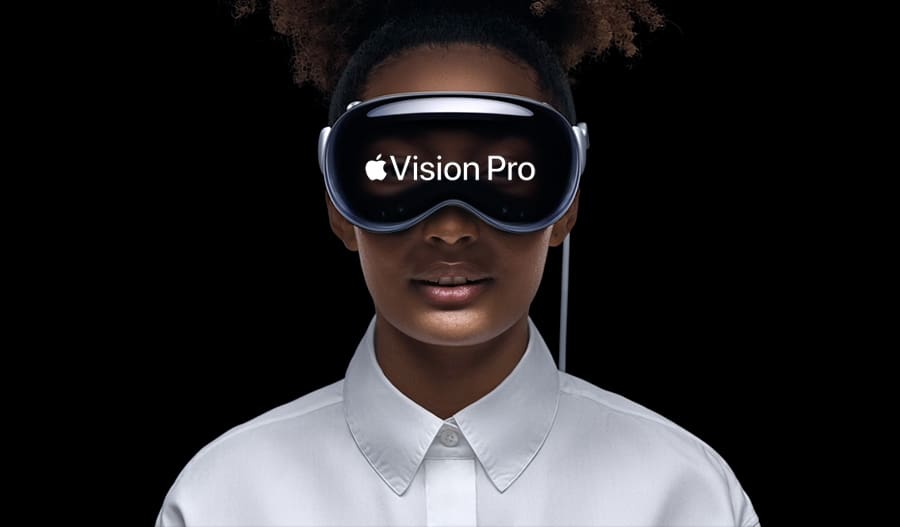
One of the most profound benefits of this technology is something I think we overlook far too often: the democratization of expertise.
Imagine you are a surgeon facing an unexpected complication during a procedure. Historically, you’d be limited to the expertise of the people physically present in the room with you. The Vision Pro and ScopeXR platform completely obliterate that limitation. Because the platform integrates seamlessly with modern digital microscopes, it can broadcast the exact, real-time, 3D point-of-view of the operating surgeon to any other specialist, anywhere on the planet.
A renowned expert sitting in Tokyo can slip on their own headset and instantly step into an operating room in New York. They see exactly what the primary surgeon sees, down to the millimeter. They can offer real-time audio advice or even interact with the digital data layers to highlight specific areas of concern. This level of global collaboration is a massive leap forward for patient safety.
The Ultimate Front-Row Seat for Medical Students
Beyond the immediate surgical benefits, the implications for medical education are staggering. When I was researching this, I couldn’t help but think about the medical students who usually have to crane their necks over a senior doctor’s shoulder just to get a blurry glimpse of a procedure.
Now, students can connect to the feed and watch the most complex techniques unfold exactly from the primary surgeon’s perspective. It’s an immersive masterclass. Furthermore, in an environment where hygiene is a matter of life and death, the Vision Pro’s interface—controlled entirely by eye tracking, subtle hand gestures, and voice commands—creates a completely touchless, sterile workflow.
Under the Hood: The Power of the M5 Chip

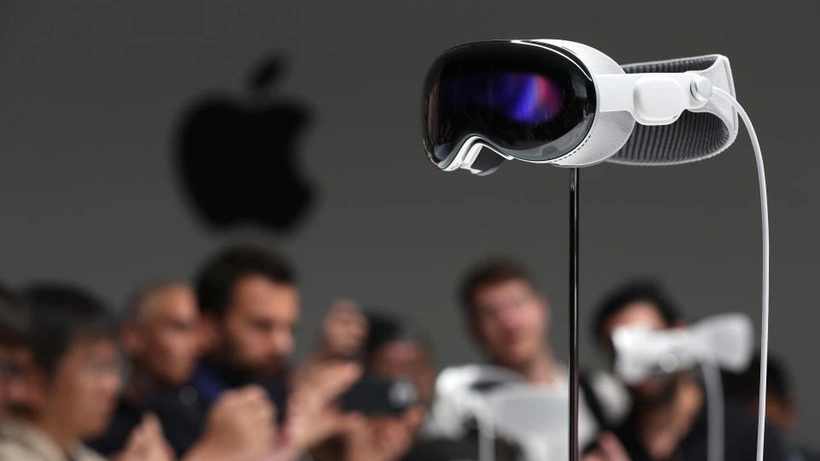
Of course, rendering real-time, zero-latency 3D medical data over a live human eye requires an unbelievable amount of computational horsepower. Apple knew this, which is why the recent introduction of the M5-powered Vision Pro is such a critical part of this story.
Let’s break down why this specific hardware upgrade matters so much in a surgical context:
- Fluid Visuals: The new model boasts a 120Hz refresh rate and a 10% increase in pixel density. In the medical world, visual clarity isn’t a luxury; it’s a necessity.
- Zero-Lag Performance: The M5 chip’s enhanced AI cores have doubled the image processing speed. They’ve managed to push the latency down to a mere 12 milliseconds. When you are playing a video game, lag is annoying. When you are operating on a human cornea, lag is dangerous.
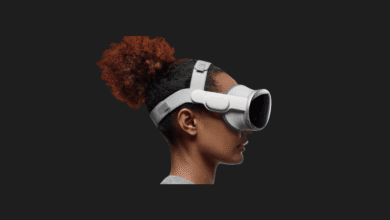
- Ergonomic Enhancements: I know a lot of early adopters complained about the device’s weight. The redesigned headband and better weight distribution in this newer iteration mean a surgeon can comfortably wear it through hours of complex procedures without neck strain.
Consumer Flop or Professional Triumph?

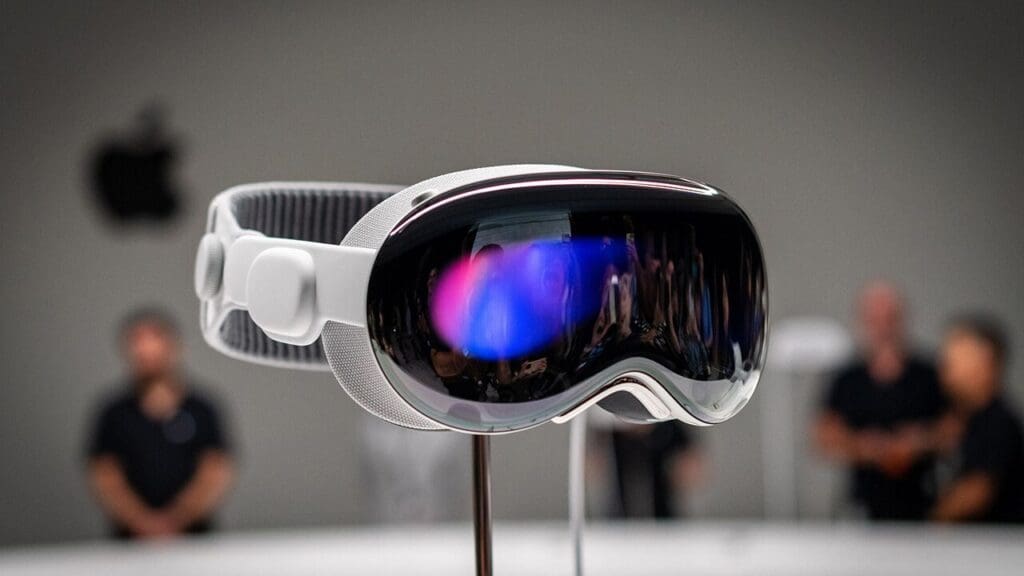
This brings me to a fascinating crossroads for Apple and the tech industry at large. If we look at the general consumer market, the Vision Pro’s future still looks a bit murky. Let’s be honest, asking the average person to drop $3,499 on a headset—especially one that still has some comfort issues for all-day casual wear—is a tough sell.
However, looking at it purely as a consumer device is missing the bigger picture.
In the context of a hospital budget, where traditional medical imaging equipment can cost hundreds of thousands of dollars, a $3,499 device that acts as a 3D monitor, a global communication hub, and a real-time data analyzer is an absolute bargain. The recent medical triumphs prove that while the Vision Pro might not be an immediate staple in our living rooms, it is rapidly becoming an indispensable, life-saving instrument in professional medical centers.
It’s incredible to witness science fiction become medical reality right before our eyes. The boundary between digital data and the physical world is dissolving, and in the hands of brilliant surgeons, this technology is bringing light back into people’s lives.
What do you think about this shift in medical tech? If you were heading into a complex surgery tomorrow, would you feel more comfortable knowing your doctor was backed up by an augmented reality headset and a global network of experts, or would the idea of a “digital doctor” make you nervous?
You Might Also Like;
- The Ultimate Blockbuster Games Redefining the Industry
- TP-Link Tapo C246D Review: The Ultimate Dual-Lens Security Camera
- NASA’s Artemis III Crew and the Radical New Flight Plan
-
-
-

-
-

-

-
-

-

-

-

-

