Sam Altman’s Project to Rival Neuralink May Not Require Surgery

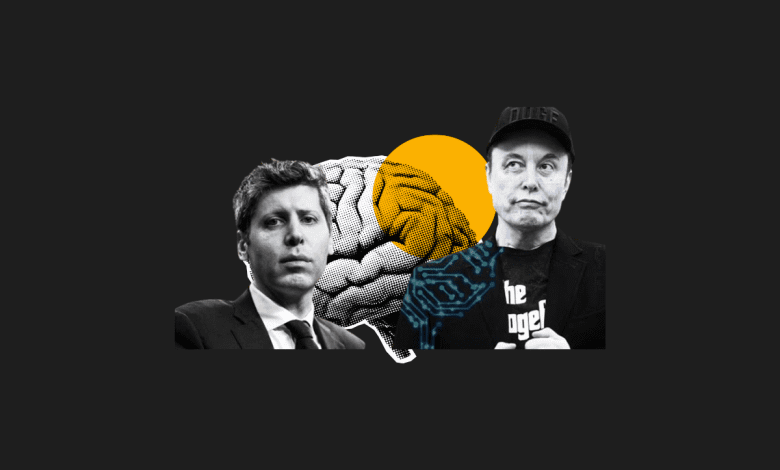

The competition in the field of brain-computer interfaces is heating up. Sam Altman has transferred a prominent scientist for his new venture, Merge Labs, which is set to rival Neuralink.
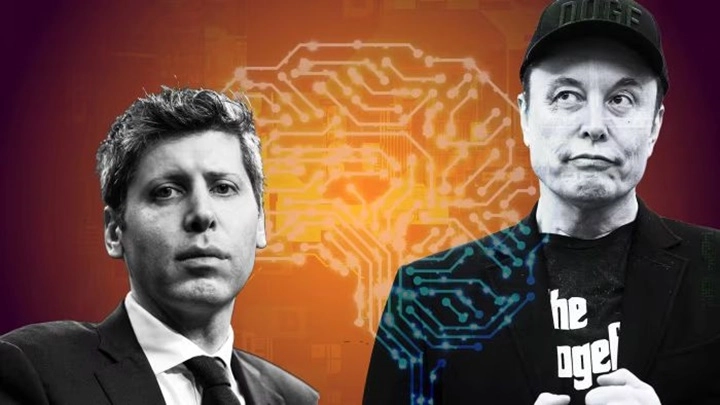
Brain-computer interfaces, pioneered by Elon Musk’s Neuralink project, seem set to become a much more significant part of the technology world in the coming years. For this reason, noteworthy projects are starting to emerge in this field, both in the US and in China. In the US, the main rival to Elon Musk’s Neuralink seems to be Sam Altman’s Merge Labs. This project, which we first heard about in August, has recently begun to take on a more concrete form.
Sam Altman has secured Mikhail Shapiro, a leading figure in his field of biomolecular engineering, for the Merge Labs project.
Merge Labs is Working on a Non-Surgical Alternative
The fact that Mikhail Shapiro is Merge Labs’ first major transfer points to an adoption of a different approach from Elon Musk’s Neuralink. Mikhail Shapiro, who continues his work at the California Institute of Technology (Caltech), one of the leading research institutions in the US, is a scientist who develops genetic modification techniques to make cells sensitive to ultrasound waves. His addition to the team indicates Sam Altman’s intention to develop a non-surgical brain-computer interface. In fact, information coming from within the company confirms this. The company’s goal is to surpass classic interfaces that work with electrodes piercing the skull, by using gene therapy in combination with ultrasound waves.
In the system Mikhail Shapiro is working on, specialized molecules that respond to ultrasound waves are first transferred into the cell using gene therapy methods (e.g., mechanosensitive calcium channels or protein structures like gas vesicles that act as acoustic antennas on the cell membrane). Then, focused ultrasound waves directed through the skull stimulate these modified cells; mechanosensitive channels open, causing calcium accumulation inside the cell, which then converts into neuronal firing through voltage-gated channels, thus creating a signal. In short, the system aims to create “cells that talk with sound waves” through a combination of genetic engineering and ultrasound, instead of drilling the skull and implanting electrodes. This approach can achieve selectivity at the cellular level and reduce the heavy surgical burden required by traditional implant systems.
This move by Sam Altman indicates that Altman and Musk, who are currently clashing in the field of artificial intelligence, may start to collide on this front as well in the near future. On the other hand, Altman’s project may also be seen as part of a larger project that will later connect to OpenAI. While ventures like Neuralink and Merge Labs currently prioritize the health aspect, these brain-computer interfaces could gain a much wider area of use, especially with the emergence of non-surgical solutions. Technology leaders like Sam Altman, who advocate for human-machine integration, may take one step closer to realizing their dreams with AI-integrated brain-computer interfaces.


You Might Also Like;