Quantum Rod Display Technology: A New Era Poised to Succeed QLED

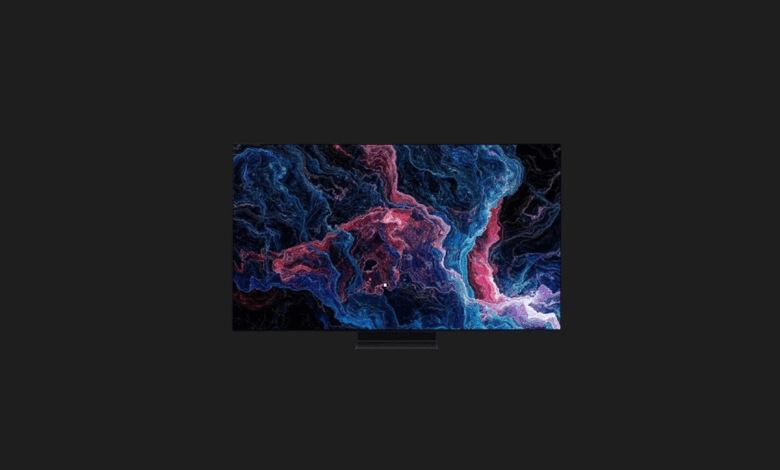

A significant new candidate has emerged in the race for next-generation display technology: Quantum Rods (QR). As progress in research labs accelerates, this technology is poised to deliver TV panels that are significantly brighter, boast higher color accuracy, and are far more energy-efficient, marking a potential new era beyond current QLED technology.
The technology, which has been in development for years, is gaining significant attention. Data presented at the SID-MEC conference in Germany by Jan Niehaus, a researcher from Fraunhofer IAP-CAN, highlighted some of the most comprehensive updates on this nanomaterial to date.

The fundamental difference lies in their structure. Unlike the spherical quantum dots used in current QLED panels, Quantum Rods are orientable (can be aligned). This directional structure allows for far more efficient light management. As a result, QR-based displays can achieve the same level of brightness with lower power consumption—a critical advantage for manufacturers aiming to maintain high HDR performance while reducing energy use.
While the research is still in its early phases, the results are highly promising. Scientists have successfully transferred a full Quantum Rod layer to a test surface and confirmed the material’s stability at high temperatures. According to Niehaus, the basic feasibility is now confirmed, though he openly states that consumer-ready products will still require more time.

The exact market positioning for QR technology is not yet clear. In the initial phase, they are expected to be integrated as an additional efficiency layer for existing QLED LCD panels. However, the primary interest is focused on fully self-emissive quantum dot displays—the true next-generation panels referred to by various names like QLED, EL-QD, QED, or QE.
For these future panels, aligned Quantum Rod structures could establish a new benchmark, producing far more light per watt of energy. Today, QR technology remains a lab-scale project. Still, if the technology matures, the televisions of the future could be brighter, richer in color, and significantly more energy-efficient. The potential for adapting these structures for smartphone screens is also a key area of interest for the future.


You Might Also Like;