Neuralink’s Historic Surgery Breakthrough: No More Cutting the Dura

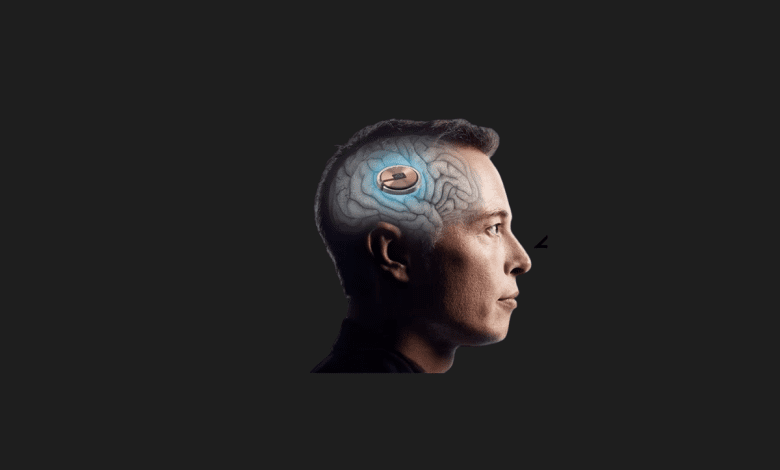

I spend a massive chunk of my day diving into the bleeding edge of the future—whether it’s tracking the latest AI models or analyzing humanoid robotics. But when it comes to brain-computer interfaces (BCIs), the line between science fiction and reality gets wonderfully blurry. I just read through Neuralink’s latest clinical update, and honestly, it’s a monumental game-changer. They’ve officially managed to implant their brain chip without slicing open the brain’s ultimate protective layer.
Elon Musk recently highlighted this on X, calling it a massive step for safety. But when you dig into the actual medical engineering behind it, you realize just how close we are getting to making neurotech implants a routine procedure.
The “Dura” Problem Solved

If you’re not a neurosurgeon, the dura mater is essentially the tough, fibrous security blanket sitting just beneath your skull, wrapping around your brain.
- The Old Way: In earlier surgeries, doctors had to literally take a scalpel, cut open this tough membrane, and peel it back to expose the brain’s surface before the robot could insert the electrodes.
- The New Way: This new method skips the scalpel entirely. Neuralink’s robotic surgical system is now precise enough to pierce the electrode threads directly through the intact dura mater and into the cortex.
This historic procedure was pulled off at the University Health Network (UHN) Toronto Western Hospital. The most mind-blowing part to me? Within an hour after the surgery, the patient was already moving a computer cursor using just their thoughts.
How They Engineered the Impossible
You might be wondering: if the protective layer is still there, how does the robot know where to place the tiny wires without hitting a blood vessel? I love geeking out over these technical hurdles.
Because the dura mater is about 10 times thicker than the actual electrode threads, Neuralink’s engineers had to slightly increase the diameter of the robot’s needle. But keeping the membrane intact meant they were essentially flying blind. To solve this, they integrated two brilliant imaging technologies:


- ICG Video Angiography: By injecting a special dye into the bloodstream and using infrared light, the surgeons can “see” the glowing blood vessels right through the dura membrane. The robot uses this map to dodge the veins safely.
- Optical Coherence Tomography (OCT): This laser-based system measures the exact depth from the surface of the dura to the cortex with insane precision, ensuring the robot places the threads at the perfect depth.
Moving From Sci-Fi to Standard Care
To perfect this, the team ran hundreds of tests on synthetic, multi-layered models that mimic human brain anatomy. While Neuralink emphasizes that this technology is still in the experimental phase and hasn’t secured broad FDA approval for the masses yet, the trajectory is clear. By making the surgery faster, vastly less invasive, and drastically reducing the risk of infection, they are paving the way for BCIs to eventually become as streamlined as Lasik eye surgery.
When I look at where this is heading, I can’t help but feel incredibly optimistic about the medical applications for people with severe mobility restrictions.
I have to ask you guys: If an implant like this could completely cure a severe physical limitation, but it meant letting a private company interface directly with your neural pathways, would you take the leap? Let’s talk about it in the comments below!
You Might Also Like;