Nature Magazine Selects the 10 Names That Shaped the Science World in 2025


Nature magazine, one of the world’s most prestigious science and technology publications, has published its “Nature’s 10” list, selecting 10 individuals who made a difference with their contributions to the world of science in 2025.
Founded in 1869 and maintaining its status as a top-tier publication, Nature shared the 2025 edition of its list, which aims to highlight individuals who change the course of science.
In the list, 10 names who left their mark on the scientific world in 2025 were honored. Arguing that contributions to science should be evaluated not only by technical achievements but also by ethical stances and societal impacts, Nature included several individuals who claimed to have made a difference with their political stance.
The 10 Names That Left Their Mark on Science in 2025 According to Nature
This year’s list includes a wide range of individuals, from a dismissed public health official to researchers discovering new life forms in the darkness of the deep ocean. Here are the 10 names who found a place in this year’s “Nature’s 10” list and Nature’s explanations for their selection:
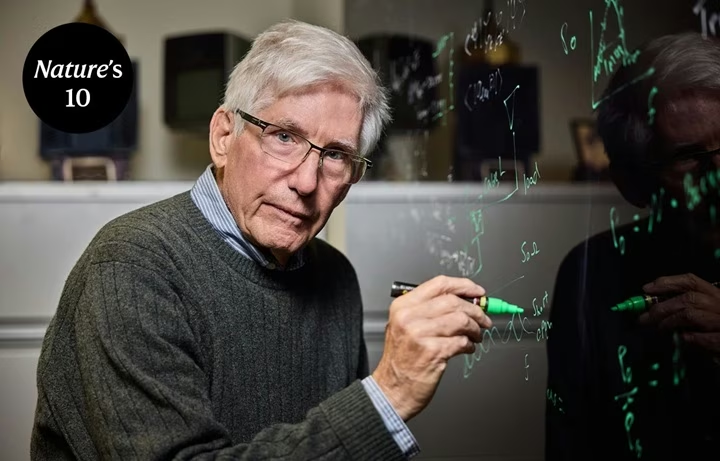
Tony Tyson
One of the primary visionaries behind the Vera Rubin Observatory, which will map trillions of cosmic objects, Tyson saw the fruits of his 30 years of work with the first images obtained this year. The observatory, which began observations this year, will track the brightness, position, and movement of objects for years, generating data on an unprecedented scale regarding dark matter distribution, changes in the universe’s expansion rate, and the behavior of dark energy.
Lian Wenfeng
The DeepSeek R1 model, developed under Wenfeng’s leadership, created a paradigm shift in the world of artificial intelligence. DeepSeek demonstrated that a new approach radically shaking the cost-efficiency balance in AI models is technically possible. DeepSeek’s debut is evaluated as a development that reshapes competition in the AI world and opens the door to an era where even smaller teams can develop high-level models.


Sarah Tabrizi
The clinical study led by Tabrizi revealed that an experimental gene therapy developed for Huntington’s disease could measurably slow the progression of the disease for the first time. The team at University College London confirmed that this treatment, targeting the mutated HTT gene, both reduced the rate of neuronal degeneration and showed signals of improvement in the disease’s biomarkers. Data shared in September provided the proof of “stopping or slowing the disease,” which has been missing in interventions for neurodegenerative diseases for many years, showing that a new treatment might be possible for other conditions like ALS and Alzheimer’s.
Yifat Merbl
Merbl and her team opened a completely new window into immune biology by showing that cellular proteasomes not only degrade proteins but can also produce antimicrobial peptides. Thus, she revealed that the body’s defense layers against infections are much more complex and versatile than we thought. This discovery is of great importance, especially at a time when antibiotic resistance is rapidly increasing; this new mechanism could pave the way for designing innovative treatments where the cell’s own natural molecules are used to fight pathogens.
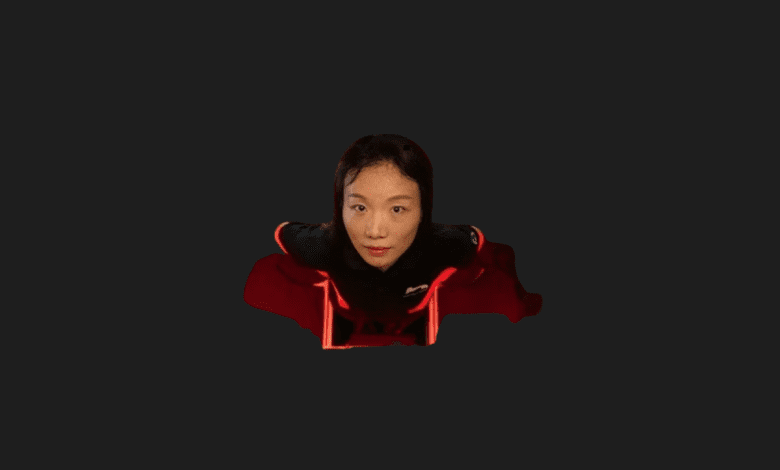
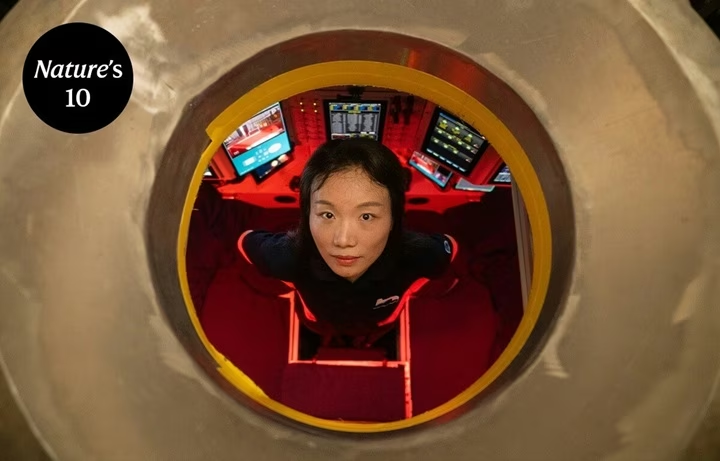
Mengran Du
Du documented animal communities never before recorded in science during manned and unmanned dives into the deepest hadal trenches of the Pacific Ocean, exceeding 9,000 meters. The team detailed for the first time the biological mechanisms developed by these creatures living in ultra-deep ecosystems around the Mariana and Tonga trenches to adapt to high pressure, low temperature, and almost total darkness. Du’s findings redefined the boundaries of deep-sea ecology while offering important clues about the evolutionary capacity of extreme life forms on Earth.
Luciano Moreira
As the key name in realizing the world’s largest facility producing mosquitoes carrying Wolbachia bacteria, Moreira signed a significant turning point in the fight against tropical diseases. This giant factory, with a capacity of 100 million eggs per week, implements a biological strategy aimed at reducing diseases such as dengue, Zika, and chikungunya on an industrial scale. Since mosquitoes carrying Wolbachia cannot replicate viruses within their bodies, they prevent the transmission of diseases to humans; thus offering a sustainable and eco-friendly alternative to traditional spraying methods. This project led by Moreira is seen as a groundbreaking model in Brazil, not only for public health but also from a global pandemic management perspective.
Susan Monarez
Serving as the short-term director of the US Centers for Disease Control and Prevention (CDC), Susan Monarez defended science-based public health policies despite political pressure. Her dismissal by the Trump administration for refusing to change vaccination practices in the US made her one of this year’s symbols of ethical stance in science.
Achal Agrawal
Agrawal bravely brought structural problems to the agenda by examining the rapidly increasing scientific paper retractions in India in recent years. His work on this subject contributed to starting a global debate on academic integrity.
Precious Matsoso
Leading negotiations at the World Health Organization (WHO) for three years, Precious Matsoso played a critical role in the preparation of the WHO’s global pandemic agreement. The agreement aims for countries to act faster, more transparently, and in a more coordinated manner against epidemics.
KJ Muldoon
Born in August 2024, Muldoon became the first human to receive a custom-designed CRISPR treatment at six months old. Since this hyper-personalized treatment for a fatal metabolic disorder known as CPS1 deficiency is seen as an important turning point for the future of genetic diseases, Nature chose to include baby Muldoon, the first person to receive this treatment, in its list.
You Might Also Like;