As orbital traffic increases daily, debris falling uncontrollably to Earth has begun to pose a serious threat. Recent studies show that the probability of someone being hit by space debris in the coming years has reached a frightening level.
While there are enough things to worry about in the modern world, adding “space junk” to the list might sound strange. However, this situation is becoming a severe threat to the technological independence of our civilization day by day. Moreover, the possibility of a piece of metal falling from the sky and harming someone is no longer just a sci-fi trope.
The Only Known Victim: Lottie Williams
According to records, there is only one person who has ever been struck by falling space debris: Lottie Williams. While walking in a park in Oklahoma in 1997, a small piece of fiberglass hit her on the shoulder. The piece was so light that Williams wasn’t even injured, but this incident was just the tip of the iceberg.
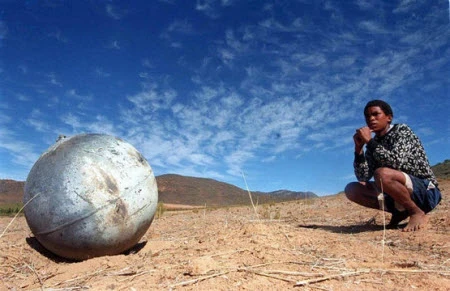
On the day Williams luckily escaped unharmed, pieces of a Delta II rocket actually rained down on the region. A massive 250-kilogram fuel tank torn from the same rocket crashed just 50 meters away from a farmhouse. Entering the atmosphere uncontrollably, this debris failed to burn up completely, turning residential areas into a major danger zone.
Orbital Chaos: The Threat of the Kessler Syndrome
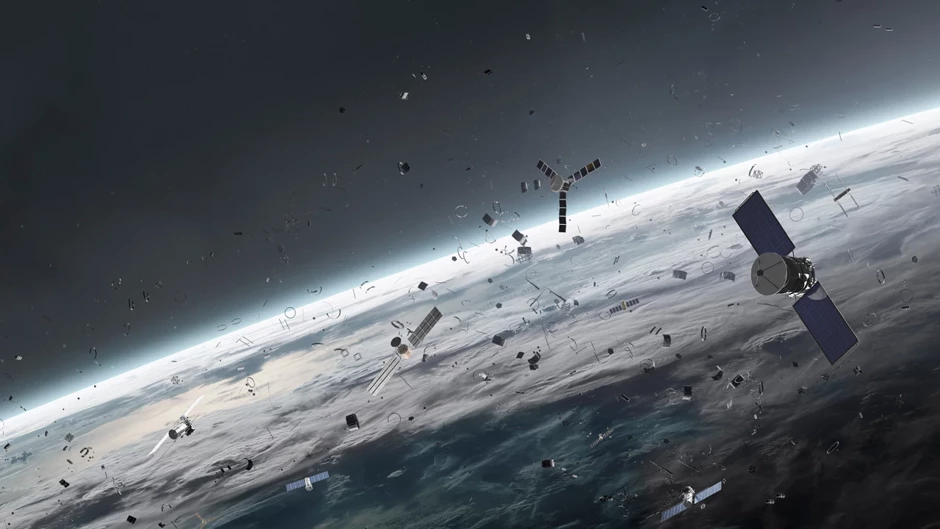
In the years since that incident, the situation has gotten both better and worse. Institutions like the European Space Agency are developing more conscious policies with the goal of “Zero Debris.” However, the possibility of a chain reaction known as the Kessler Syndrome remains the most terrifying aspect of this phenomenon.
When space debris collides in orbit, thousands of new fragments are created. In the Kessler Syndrome scenario, these pieces crash into other satellites, eventually turning the entire orbit into an unusable, swirling cloud of shrapnel. Because GPS, telecommunications, and weather forecasts are completely dependent on these satellites today, such a disaster would directly cripple our daily lives on Earth, not just impact astronauts.


Uncontrolled Growth and Rising Risks
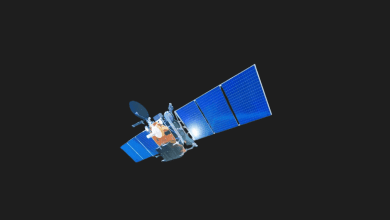
The truly alarming aspect is the uncontrolled rate of growth in space traffic. While only 77 launch attempts were made globally in 1996, more than 4,000 new objects were placed in orbit in 2025 alone. Currently, over 18,000 satellites are orbiting above us, with more than half belonging to SpaceX’s Starlink project.
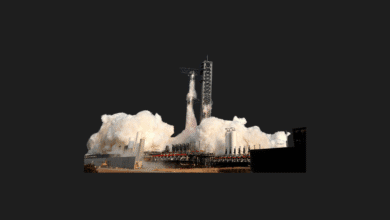
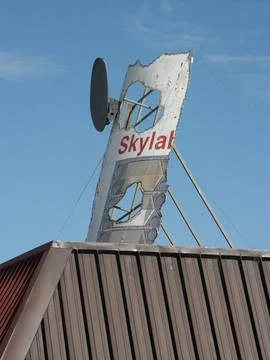
As the number of launches increases, the risk of accidents multiplies. Recently, a massive rocket piece was found on a farm in Canada, and a family in Florida sued NASA over a piece of debris that crashed straight through the roof of their home.
Recent studies reveal that more than 70% of rocket bodies that deorbited between 1992 and 2022 fell uncontrollably. When combined with global population models, this data reveals a startling statistic: the probability of someone on Earth being hit by space debris by 2032 has reached 10%. The sky is now more crowded than ever, and the bill for this orbital congestion could be delivered to Earth when we least expect it.
You Might Also Like;