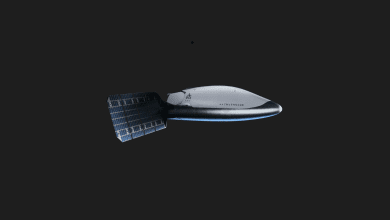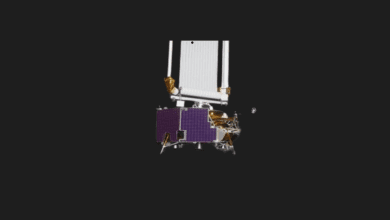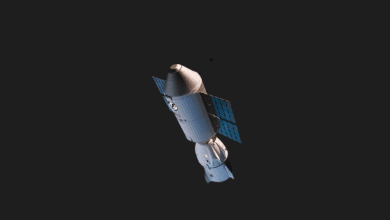

Jeff Bezos’ Blue Origin challenges SpaceX with its MK1 vehicle, aiming for a Moon landing in 2026. If Blue Origin succeeds, it could once again become an alternative for Artemis 3.
Jeff Bezos’ private space company Blue Origin is closing 2025 with remarkable developments. The company successfully conducted its first fully functional orbital New Glenn launch this month. Subsequently, Bezos shared the first images of the company’s Mark 1 (MK1) lunar lander, revealing future plans. According to the statement, MK1 will fly to the Moon in early 2026 and land in the Shackleton crater located at the lunar south pole.
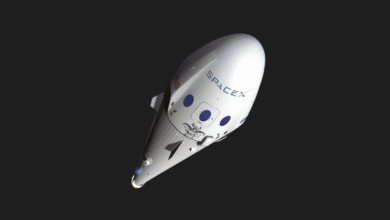
NASA had selected SpaceX’s Starship rocket for the manned Moon mission; however, delays experienced in Starship HLS (the lunar version of Starship) are creating a new opportunity for Blue Origin.
Blue Origin Could Replace SpaceX
This situation shows that Blue Origin could get ahead of SpaceX. In 2021, a US Federal Court dismissed the lawsuit Blue Origin filed against NASA, claiming a $2.9 billion contract was unfairly awarded to SpaceX. Now, the company aims to land MK1 in the Shackleton crater within the next four months. If successful, the company will take the title of the private company landing on the Moon before SpaceX and gain a strategic advantage. Especially considering delays in SpaceX’s Starship program, the task of transporting NASA’s Artemis 3 astronauts could pass to Blue Origin.
The Artemis 3 mission has also experienced various delays and is currently planned for 2028. This mission will be the first time NASA carries humans to the Moon since Apollo 17. While delays are quite natural for space missions, the risk here lies in the US being overtaken by China. China also wants to land humans on the Moon by 2030. Therefore, if SpaceX cannot stick to the schedule, NASA may turn to Bezos’ rockets. Meanwhile, MK1, with its 8-meter height, will be larger than the Apollo lander. Since Artemis astronauts will stay on the lunar surface for about a week, the vehicle’s interior volume becomes more important. However, MK1’s height brings a risk of tipping over during landing.
Pathfinder Mission and Specs

In the mission Blue Origin calls Blue Moon Pathfinder, critical components of MK1 such as propulsion systems, avionics hardware, and the BE-7 engine will be tested and verified. The mission will also carry NASA’s SCALPSS (Stereo Cameras for Lunar Plume Surface Studies) device to collect valuable data about Moon landings.


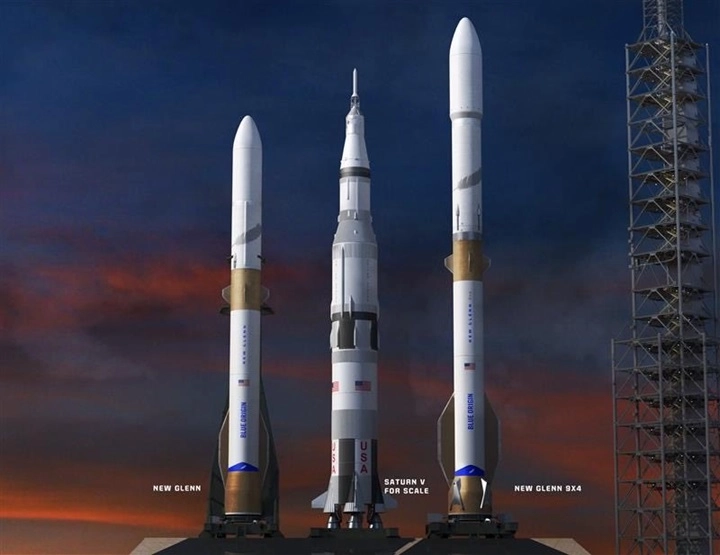
MK1 will be launched with Blue Origin’s New Glenn rocket and has the capacity to carry up to 3.3 tons (3 metric tons) of payload to the lunar surface. According to Bezos, the company will conduct fully integrated control tests for MK1 in the coming period before the Blue Moon Pathfinder launch and plans to complete preparations by the first quarter of 2026.
You Might Also Like;
- We Selected 10 Series Similar to Stranger Things for Those Who Love It
- Where and How is Silver Used in Electric Vehicles?
- Hyundai Unveils Its Multi-Purpose Wheeled Robot
Follow us on TWITTER (X) and be instantly informed about the latest developments…