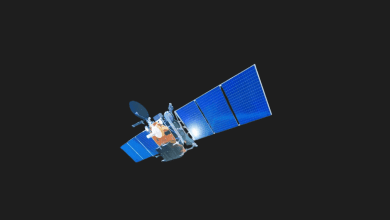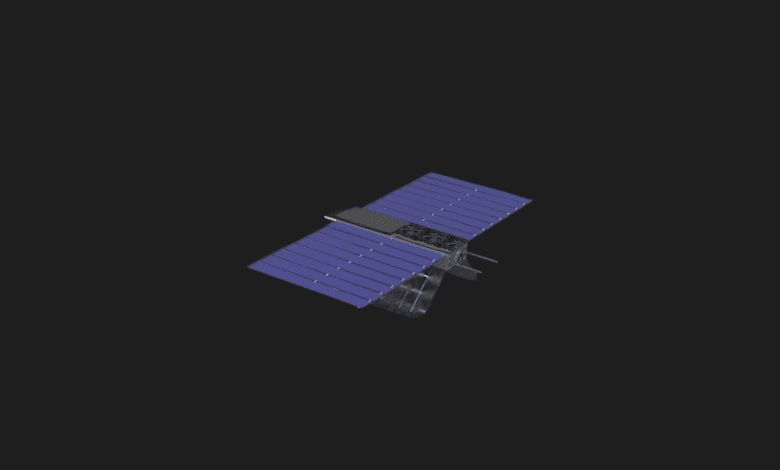

Google plans to establish solar-powered artificial intelligence data centers in space to solve Earth’s energy insufficiency.
Google is planning a radical step to overcome the limitations of energy-hungry artificial intelligence data centers on Earth by sending AI chips to space on solar-powered satellites. This groundbreaking project, which the company calls “Project Suncatcher,” aims to establish space-based data centers that run on continuous solar energy. This will not only provide uninterrupted processing power with clean energy but also reduce the environmental impact caused by high electricity consumption on Earth.
“Space may be the best place to scale AI in the future,” says Travis Beals, a senior director at Google. As part of the project, which is still in the experimental stage, Google plans to place its own Tensor Processing Unit (TPU) chips on satellites equipped with solar panels. These panels will be able to generate energy eight times more efficiently than those on Earth.
First Trial Satellites to Launch in 2027
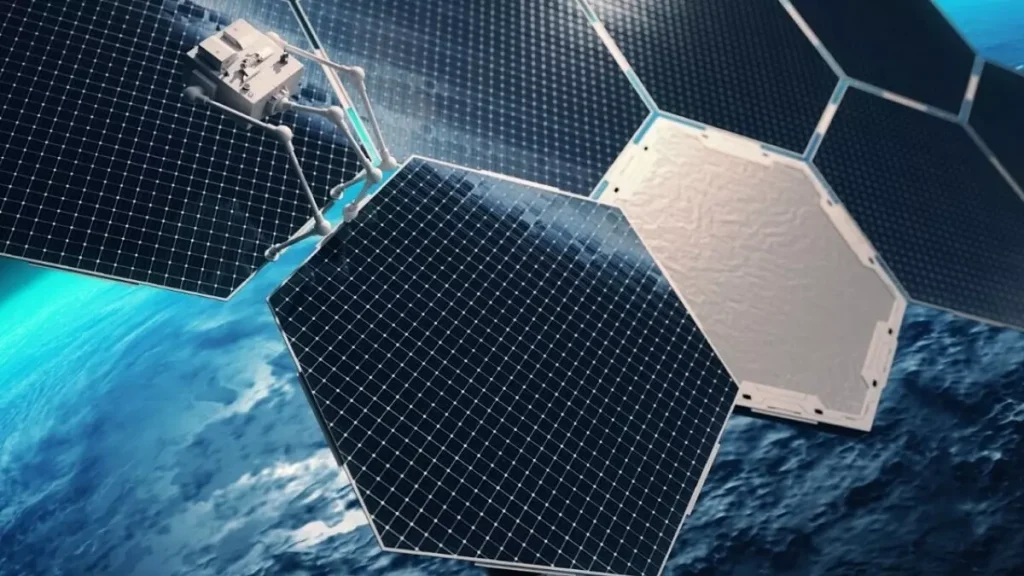
However, Google faces significant technical hurdles. The company must establish connections between satellites capable of transferring tens of terabits of data per second. Additionally, the chips must withstand the intense radiation in space. Google claims its Trillium TPUs can endure the five-year mission duration.
The project is also ambitious in terms of cost. Although sending a data center to space is currently very expensive, Google’s analysis suggests that by the mid-2030s, a center in space could operate at approximately the same cost as one on Earth, on an energy basis. For this reason, the company plans to launch its first trial satellites in 2027 in collaboration with a firm called “Planet.”
You Might Also Like;
- A Midnight Stroll with a Humanoid Robot: Why the Macau Incident Changes Everything
- Unitree PUMP MAX Review: The Ultimate Portable Smart Gym
- The End of an Era: Breaking Down the Epic Dune: Part Three Trailer