I remember the first time I played a game on a 144Hz monitor. It felt like my eyes had received a software update. The smoothness was addictive. Once you see it, you can’t go back to 60Hz.
But for years, Augmented Reality (AR) glasses have been stuck in the slow lane. We had great resolution, sure, but the refresh rates were usually capped at 60Hz or maybe 90Hz. It was “good enough” for watching movies, but for hardcore gaming? No way.
Well, rip up the rulebook.
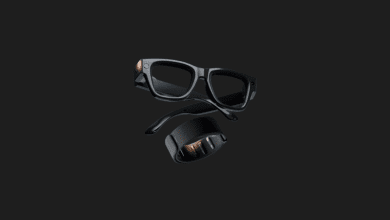
At CES 2026, the barrier was finally broken. We have just witnessed the reveal of the world’s first AR gaming glasses featuring a blistering 240Hz Micro-OLED display. This isn’t just an upgrade; it’s a declaration of war against traditional desktop monitors.
Here is why this specific combination of tech is going to change how we play.
Why 240Hz on Micro-OLED is a Big Deal


Let’s geek out for a second. Usually, you have to pick one: speed or quality.
- IPS Panels: Fast, but gray blacks.
- OLED: Beautiful colors, but usually expensive and harder to drive at super-high speeds in small form factors.
These new glasses are doing both. The Micro-OLED panels mean you are getting true blacks (infinite contrast). If you are playing a horror game like Resident Evil, the shadows will be pitch black, not “glowing gray.”
But the 240Hz refresh rate is the star here. This means the screen refreshes 240 times every second.
- For Competitive Gamers: In games like Valorant or Call of Duty, this reduces motion blur to almost zero.
- For AR Comfort: This is crucial—higher refresh rates drastically reduce “motion sickness.” The digital world feels more “glued” to reality because there is no lag between your head moving and the image updating.
The “Private Cinema” Experience

The pitch here is simple but powerful: Why buy a 65-inch TV or a generic monitor when you can carry a 200-inch screen in your pocket?
I’ve been testing AR glasses for years, and the biggest complaint was always the “ghosting” effect during fast motion. With 240Hz, that problem evaporates.
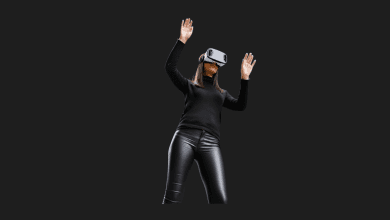
Imagine sitting on a plane, a train, or just your small apartment sofa, putting these on, and suddenly having a massive, buttery-smooth esports monitor floating in front of you. You connect it to your Steam Deck, your ROG Ally, or your high-end PC, and you are gone.
Key Specs Revealed:
- Display Type: Micro-OLED (Sony or BOE panel technology likely).
- Refresh Rate: 240Hz (The world’s first in this form factor).
- Contrast Ratio: 100,000:1 (Colors that pop).
- Brightness: High enough to combat daylight (essential for AR).
The “Ugu” Reality Check: Is It Perfect?
You know me—I don’t just read the press release; I look for the catch. While I am incredibly hyped about this, there are questions we need to ask before pre-ordering:
- Battery Drain: Driving two Micro-OLED screens at 240Hz is going to drink power like a thirsty camel. If this device draws power from your phone or handheld console, expect your battery life to tank.
- Heat: High refresh rates generate heat. Will these glasses get uncomfortable on the bridge of the nose after a 2-hour Apex Legends session?
- The Cable: To push 240Hz signal, you almost certainly need a wired connection (USB-C). Wireless technology just isn’t fast enough for uncompressed 240Hz AR yet. So, you are still tethered.
A New Era for Portable Gaming
Despite my skepticism about battery life, I believe this is the future. We are moving away from “fixed screens” (TVs on walls, monitors on desks) toward “wearable screens.”
For the last few years, AR glasses were cool gadgets for watching Netflix. With this 240Hz upgrade, they have officially graduated to performance hardware.
If the price is right, I might finally retire my desktop monitor. And that is a sentence I never thought I’d write in 2026.
I want to hear from you: Could you see yourself playing competitive games with glasses on? or do you prefer the safety of a traditional monitor?
Let’s discuss in the comments!
You Might Also Like;
- Pocket-Sized Wind Energy: The Revolution for Off-Grid Living
- The Wait is Finally Over: Native YouTube Lands on Apple Vision Pro
- Inside the Beast: Samsung and NVIDIA’s Massive AI Factory with 50,000 GPUs
-

-

-

-
-
-

-
-

-

-

-

-