Geely Opens the World’s Largest Safety Test Center for Electric Vehicles

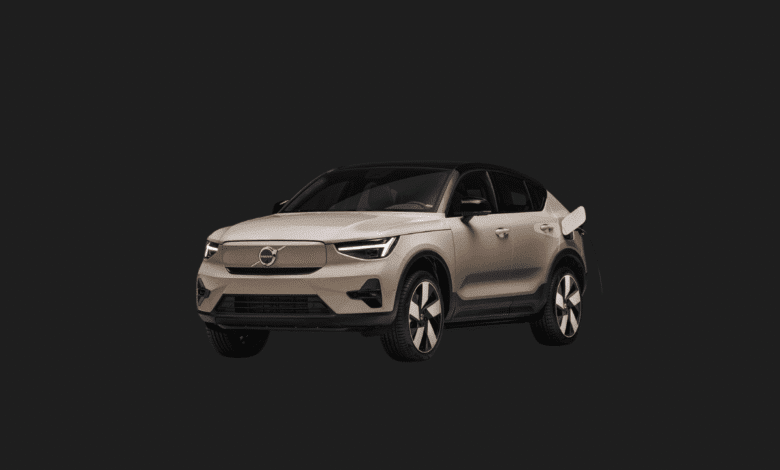

Geely has officially opened the Safety Centre, the world’s largest and most advanced automotive safety test center, established on a 45,000-square-meter campus dedicated to electric and intelligent vehicles.
The China-based automotive group Geely has officially launched the Geely Safety Centre, aiming to elevate safety standards on a global scale for electric and intelligent vehicle technologies. As the parent company of brands like Volvo, Polestar, Zeekr, and Lotus, Geely realized this facility with a $284 million investment to directly address both the increasing demands of regulatory bodies and consumer safety expectations.
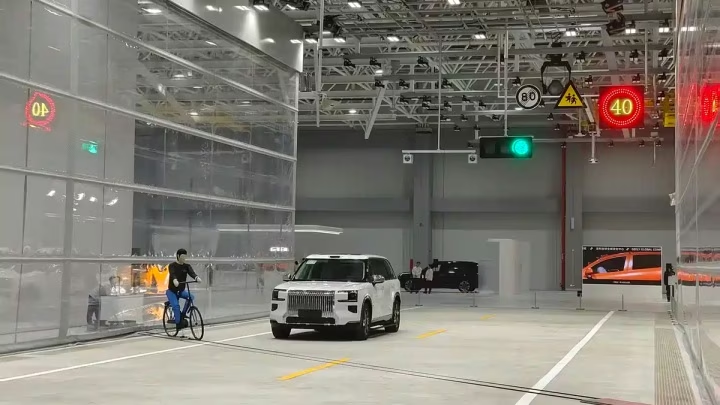
27 Tests Under One Roof Located in Ningbo, East China, the facility is designed to conduct 27 different test categories regarding vehicle safety and durability under a single roof. The advanced climate-controlled wind tunnel at the center can simulate snow, rain, extreme heat, and high wind conditions. The facility can conduct tests at temperatures ranging from -40°C to +60°C, realistically simulating wind speeds of 250 km/h and altitude conditions up to 5,200 meters. Additionally, a solar simulation system with an irradiance intensity of 1,200 W/m² allows for the assessment of long-term environmental durability. The facility also boasts the world’s longest indoor crash test track, measuring approximately 300 meters.
Geely Auto Vice President Li Chuanhai emphasizes that the center is not just a testing ground for the company, but a strategic part of its goal to set global safety standards. Pointing out the rapidly increasing consumer sensitivity regarding the reliability of intelligent vehicle technologies, especially battery safety and Advanced Driver Assistance Systems (ADAS), Li states that the new facility aims to respond directly to these expectations.
The new safety center is also a concrete reflection of the approach Geely calls “Comprehensive Safety 2.0.” The facility goes beyond traditional crash tests to cover areas such as cyber security, data privacy, and passenger health. This vision is shaped by the goals of zero casualties, zero health risks, zero property damage, and zero privacy breaches.
You Might Also Like;
- The AI Revolution on the Court: Decoding Toyota’s CUE7 Basketball Robot
- The Dark Side of Nanotechnology: Could Microscopic Swarms Erase Billions?
- The Illusion of Digital Immortality: Are You Really Uploading Your Mind?