Fujitsu Kicks Off Development of 10,000-Qubit Quantum Computer

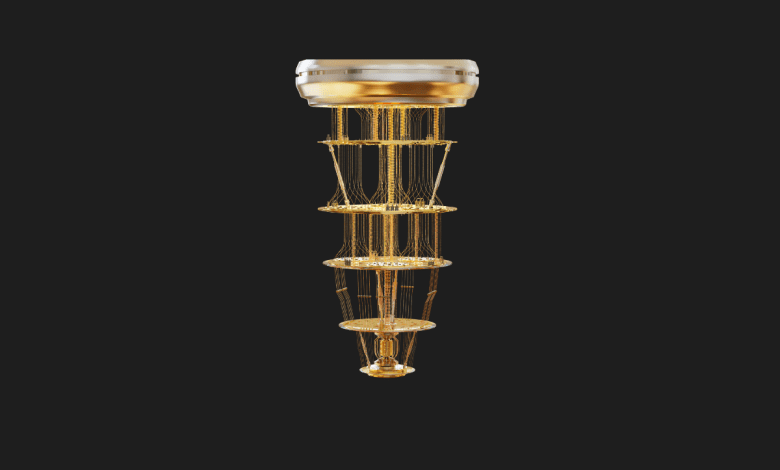

Japanese technology giant Fujitsu has officially commenced research and development on a superconducting quantum computer designed to exceed 10,000 qubits. The project aims for completion by the end of fiscal year 2030. The new system will operate with 250 logical qubits and utilize Fujitsu’s proprietary “STAR architecture,” an early-stage, fault-tolerant quantum computing infrastructure.
Fujitsu’s Quantum Leap
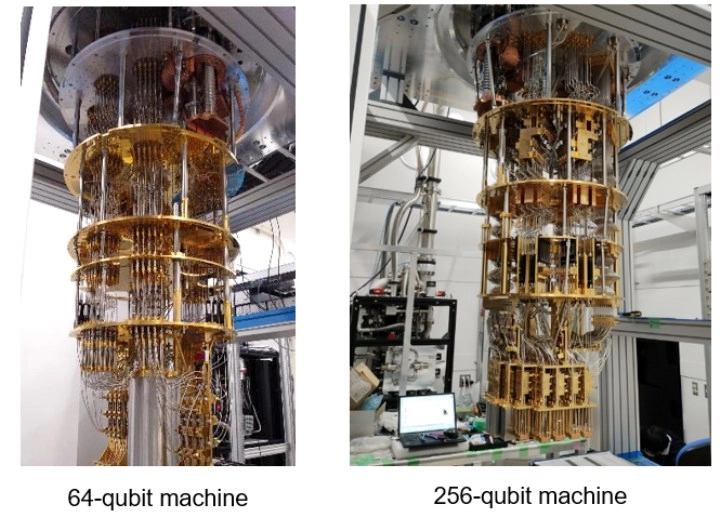
With this superconducting quantum computer, Fujitsu intends to enable practical quantum computing applications, particularly in areas like materials science, where complex simulations could lead to major breakthroughs. To achieve this, the company will focus on developing critical technologies across various technical disciplines, emphasizing scalability and performance.
After completing the 10,000-qubit machine, Fujitsu will conduct advanced research from fiscal year 2030 onwards, focusing on the integration of superconducting and diamond spin-based qubit technologies. By fiscal year 2035, the goal is to develop a system with 1,000 logical qubits. During this process, the company will also evaluate connecting multiple quantum bit chips.
Fujitsu will be a cornerstone of the project led by Japan’s New Energy and Industrial Technology Development Organization (NEDO). Furthermore, Fujitsu will develop the next generation of its high-performance computer platform, the FUJITSU-MONAKA processor family. These processors will also support Japan’s next-generation supercomputer, FugakuNEXT.
Do you have any questions about the implications of this development for quantum computing or other related fields?
You Might Also Like;