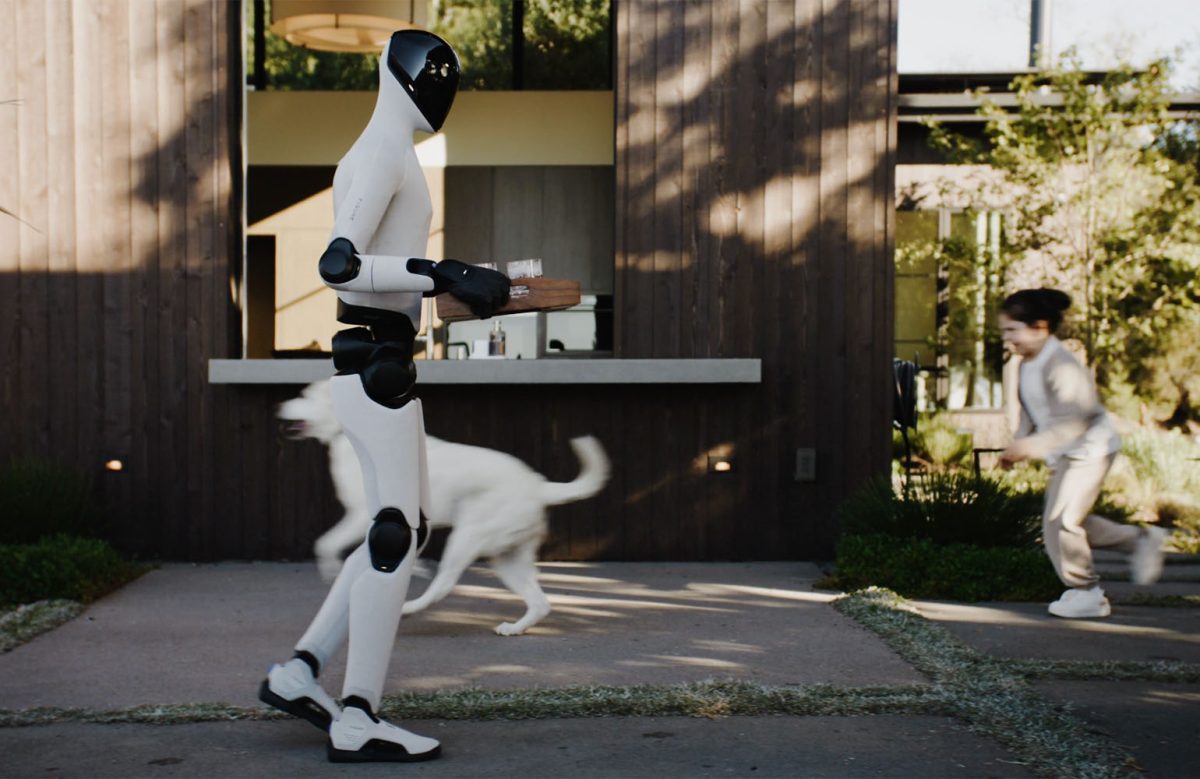
Figure 03: The Most Advanced Humanoid Robot to Date


Figure AI is moving humanoid robots beyond the prototype stage into the era of mass production with Figure 03. Utilizing the Helix AI and advanced perception systems, it targets use in homes, industry, and globally.
Taking a significant step in the humanoid robot development race, Figure AI introduced its third-generation robot, Figure 03. With this model, the company presents a vision for a general-purpose, human-like task-performing robot that can be used in both industrial and home environments. The hardware and software architecture, designed entirely from scratch, was developed to be compatible with a proprietary Vision-Language-Action (VLA) artificial intelligence system called Helix. The company also emphasized in the released videos that teleoperation was not used.
An All-New Robot
According to the company, Figure 03 was built to enable the scalability of AI-based humanoid robots. To this end, the robot is equipped with a new camera architecture that provides high-frequency visual-motor control. Each camera offers twice the frame rate, one-quarter the latency, and a 60% wider field of view compared to the previous generation. Thanks to its expanded depth perception, Helix can achieve a more stable visual stream in complex and cluttered environments.
Attention has also been given to the hands, which are one of the most difficult parts of humanoid robots. The company states that the robot’s hands have been redesigned from the ground up. Wide-angle cameras integrated into the palms provide low-latency visual feedback at close range. This allows Helix to maintain visual awareness and continue real-time object manipulation even when the main cameras are obstructed (for example, when reaching into a cabinet).
The fingertips of Figure 03, with their soft and compliant structure, can grip objects of different sizes and shapes more stably. Stating that existing sensors were insufficient in terms of durability and sensitivity, the company highlighted that they developed their own first-generation tactile sensors. These sensors can detect a pressure as low as 3 grams. Consequently, Figure 03 can even feel the weight of a paperclip. In practice, this means understanding when a gripped object is about to slip or fall.
Furthermore, Figure 03 is equipped with a 10 Gbps mmWave data transfer system. This enables the robot fleet to quickly upload terabytes of data, maintaining a cycle of continuous learning and improvement.


Targeting the Home Environment
Figure 03 was also designed with the home environment in mind. Therefore, the robot’s outer surface features multi-layer foam protection. Soft textile coatings have been preferred instead of hard metal surfaces.
Figure 03 can also operate completely wirelessly with 2 kW wireless inductive charging support. Thanks to charging coils integrated into its feet, the robot can automatically charge itself by stepping onto a dedicated platform.
The daily usability of the robot has also been considered. The soft textile surfaces are washable and can be replaced without tools. Additionally, the robot can be customized with different clothing options and equipped with garments made from cut-resistant materials.
The sound system has also received a significant upgrade. The speaker on Figure 03 is twice as large and nearly four times more powerful than the previous model. The microphone placement has been rearranged to improve speech perception. This allows users to engage in an interaction closer to a natural conversation experience with the robot.
Although Figure focuses on home use, it also emphasizes the potential of Figure 03 in commercial applications. The new model’s actuators can operate twice as fast and offer higher torque density (Nm/kg) compared to the previous generation. This allows the robot to perform object retrieval and placement operations more quickly. The visual perception system and hand sensors specially developed for the Helix AI also provide high-precision movement capabilities in commercial areas. The wireless inductive charging system further increases this potential.
Global Scale Production Strategy
Figure 03 represents a new era not only in technology but also in production scale. For mass production, the company established an entirely new supply chain and manufacturing process at its own facilities called BotQ.
BotQ’s first-generation production line will initially be capable of producing 12,000 humanoid robots per year and aims to manufacture a total of 100,000 robots within the next four years.


You Might Also Like;