
A new solar energy technology has been developed that can store solar energy and generate electricity more economically than the combination of PV panels and Lithium-ion batteries.
While the PV revolution has enabled significant electricity generation from the sun, the fact that power can only be generated when the sun is out has started to put a strain on power grids. Companies like Exowatt are now developing systems that can provide 24/7 energy at an equal or lower cost than PV.
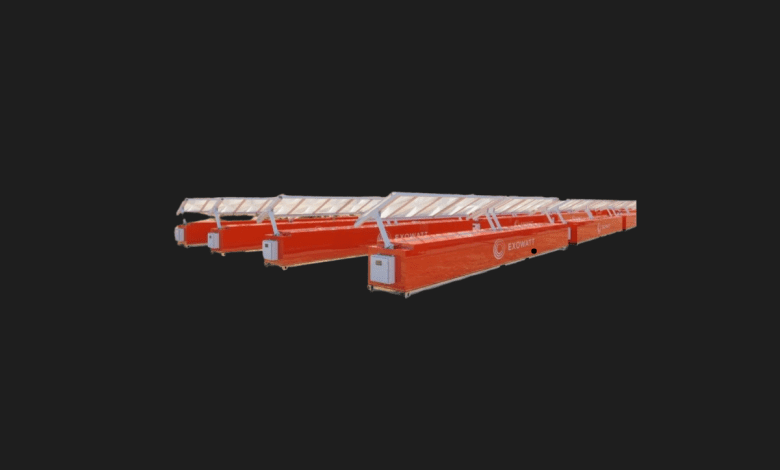
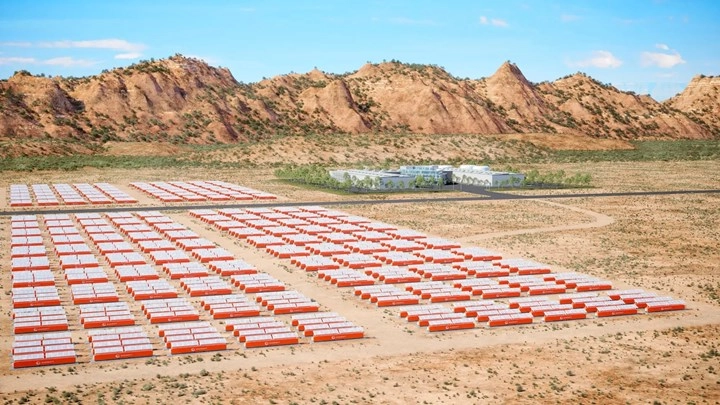
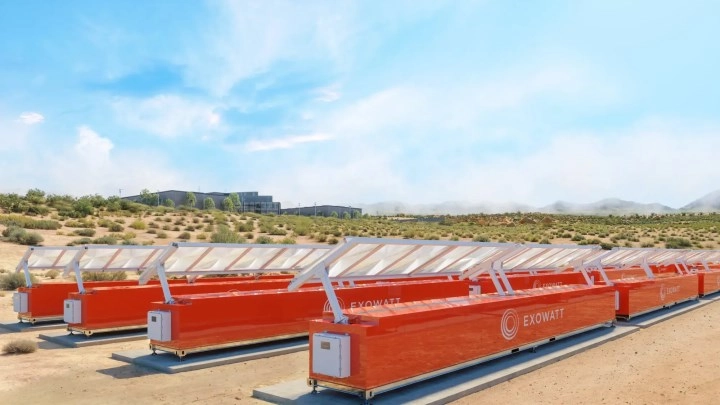
The new system replaces traditional PV and lithium-ion batteries with lenses, a thermal storage system, and a Stirling engine. The design is entirely mechanical, relying on simple manufacturing methods rather than complex chemical processes. This makes it a low-cost and easily scalable solution. Exowatt has brought the cost of producing 1 kWh of electricity down to $0.04 and aims to reduce it to $0.01. The system is designed to be portable, with all components housed within container blocks that can be brought to a site as needed. Each container can generate approximately 25 kWh of energy per day.
The sun-tracking lenses transfer heat to the thermal storage system. By tracking the sun, the lenses capture about 10% more energy compared to a stationary system. This heat is stored in clay or ceramic-based thermal batteries. When electricity is needed, a 200-year-old technology—the Stirling engine—is used to generate power with an efficiency of 35-40%.
Because the system uses the entire spectrum of the sun’s energy, it achieves much higher efficiency than the 21% typical of PV panels. The storage system allows it to generate electricity 24 hours a day, including at night.
Currently, the lowest prices for solar energy are around 3-4 cents per kWh, but this price rises to 11.6 cents per kWh when 8 hours of storage are added. Exowatt plans to make this process much cheaper. Each container will produce about 25 kWh per day, a similar value to what a typical PV panel field produces. The key advantage of the Exowatt system is its ability to provide this energy as a baseload—that is, a constant output of about 1 kW per hour—for 24 hours.

The company estimates the system’s lifespan to be around 30 years and is working to extend it to 50 years with maintenance and improvements. Since most parts are mechanical, they are expected to be easy to replace. Another interesting benefit of the storage system is its ability to store energy by using an electric heater to raise the temperature to up to 1000 °C during times of extremely cheap electricity (e.g., during high winds). This allows for the storage of cheap electricity, which can be used to lower costs even in winter months with less sunlight.
The company has received an investment from OpenAI founder Sam Altman and recently closed a $70 million Series A funding round. They report having already received orders for 90 GWh. The low cost seems to be the main driver, as a container sells for around $7,500.
You Might Also Like;