Elon Musk and Jeff Bezos Enter a Race to Build a “Gas Station” in Space


As space exploration gains momentum, new projects are emerging that will expand the boundaries of manned missions. The biggest obstacle, especially for long-distance journeys, is the fuel problem. New systems developed to overcome this hurdle could change the course of deep space missions in the future.
SpaceX and Blue Origin are preparing to build what are essentially ‘gas stations’ in space. These projects, which aim to enable in-orbit refueling, could open the door to manned journeys to the Moon, Mars, and even much farther in the coming years.
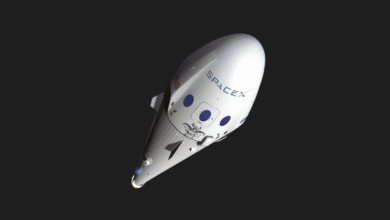
Elon Musk’s company, SpaceX, plans to establish a ‘fuel depot’ in space for its Starship rocket. In this model, one Starship vehicle acts as a depot in orbit, is refilled by tanker missions, and then the lunar lander bound for the Moon takes fuel from this depot. However, the unclear part is this: the number of launches required for a single mission is unknown. Experts’ estimates vary from 10 to 40.
Blue Origin’s “Cislunar Transporter” will operate in lunar orbit

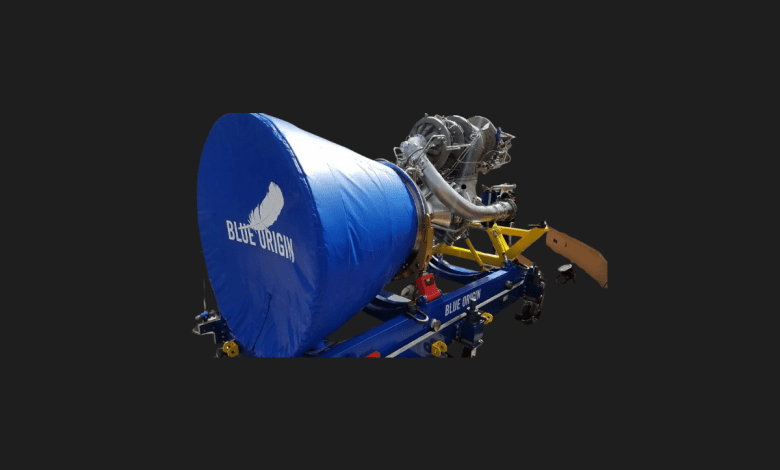
Jeff Bezos’s company, Blue Origin, is pursuing a different method. Its “Cislunar Transporter” vehicle, to be launched by the new heavy-lift New Glenn rocket, will refuel in Earth orbit before moving to lunar orbit to support landing vehicles there. While the company has not disclosed how many refueling flights will be needed for the mission, NASA is evaluating this approach as part of the Artemis program.
Experts say that handling liquid fuels in space is no easy task, and therefore, it is uncertain whether these systems will be ready on time. Nevertheless, for both SpaceX and Blue Origin, this technology is seen as essential for deep space travel. This is because, without in-orbit refueling, the range of manned missions will eventually hit a dead end.
You Might Also Like;