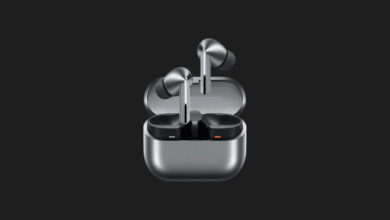
Dream Hacking: Is It Possible to Record Your Dreams


In 2025, the line between science fiction and reality is fading faster than ever before. Imagine waking up, grabbing your coffee, and watching a replay of the dream you had last night on your tablet. It sounds like the plot of Inception, but science says the answer is finally “Yes.” However, this technology comes with a terrifying warning: If your dreams can be recorded, they can also be hacked.
Welcome to the era of “No Privacy”—not even in your sleep.
From Sci-Fi to Reality: How Dream Recording Works

For decades, dreams were the only private sanctuary of the human mind. But in 2025, Artificial Intelligence and advanced neuroimaging have changed the game.
Scientists are currently using fMRI (Functional Magnetic Resonance Imaging) combined with generative AI models to decode visual activity in the brain. By training AI on thousands of hours of brain wave data, these systems can now reconstruct rough video clips of what a person is seeing—or dreaming—in their mind’s eye. It is no longer magic; it is raw data processing.
Neuralink and the Rise of Consumer BCIs

While fMRI machines are bulky and expensive, the real revolution lies in Brain-Computer Interfaces (BCIs) like Neuralink.
As these chips become more advanced and wireless, the goal is to move from medical applications to consumer convenience. The future promised by tech visionaries involves “Dream Streaming”—the ability to wirelessly transmit your neural activity to a cloud server while you sleep, allowing you to re-watch your subconscious adventures the next morning.


The Dark Side: Targeted Dream Incubation

This technology brings us to a concept that keeps privacy experts awake at night: Targeted Dream Incubation (TDI).
If a device can read your dreams, can it also write to them? Advertisers are already exploring ways to insert commercials into your sleep cycle. By playing specific sounds or inducing certain neural patterns during the hypnagogic stage of sleep, companies could potentially influence what you dream about. Imagine dreaming about a refreshing soda, only to wake up with an irresistible urge to buy that specific brand.
In 2025, your dreams might just be the next billboard.
Brain Malware: Hacking the Mind
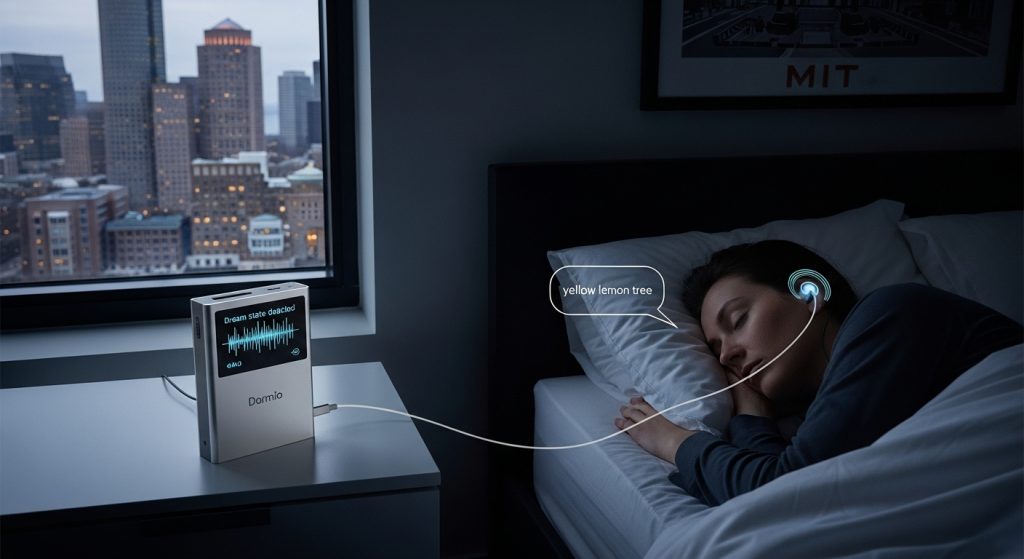
The most terrifying aspect of this technology is security. Just like your computer or smartphone, any device connected to the internet is vulnerable to hacking.
- Data Theft: Hackers could steal your most intimate thoughts and nightmares.
- Brain Malware: Malicious actors could theoretically interrupt your sleep patterns or plant disturbing imagery.
This raises a fundamental human rights question: Do we have a right to “Cognitive Liberty”?
Conclusion: Would You Sell Your Dreams?
We are standing on the edge of a new frontier. The ability to record dreams offers incredible possibilities for understanding human psychology, curing nightmares, and boosting creativity. But the cost might be the last shred of our privacy.
As we embrace the future of 2025, we must ask ourselves: Are we ready to open the doors of our minds, or should some doors remain closed forever?
You Might Also Like;