Imagine sending an AI version of you to attend a boring work meeting, represent you in class, or even negotiate on your behalf. This isn’t just the plot of a sci-fi movie—it’s the emerging reality of Digital Twins of Humans.
🔹 What is a Digital Twin of a Human?
Traditionally, “digital twins” have been used in industries like aerospace, automotive, and healthcare. A digital twin is a virtual model of a real-world system—like a jet engine, a factory, or even an entire city.
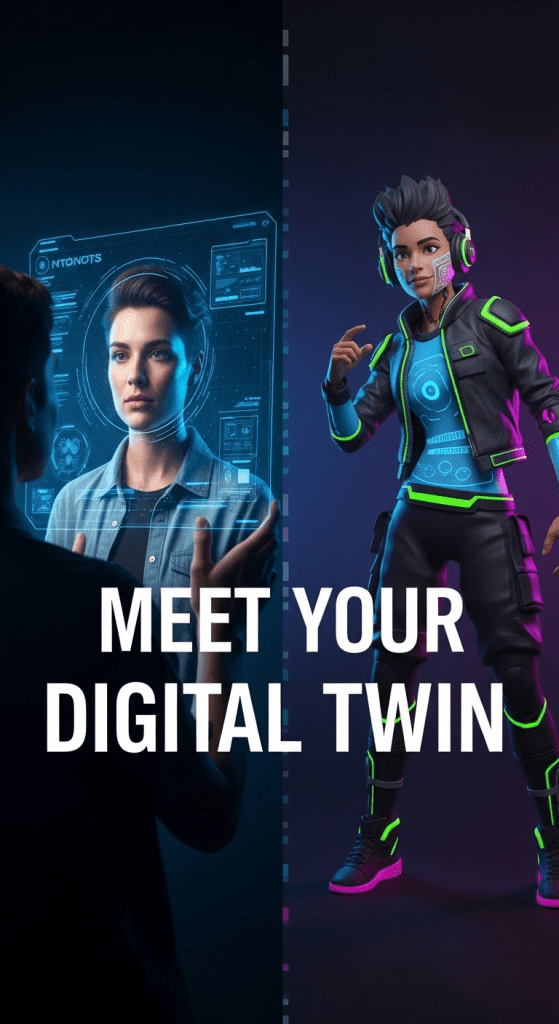
Now, scientists and AI companies are pushing the idea further: creating digital twins of people.
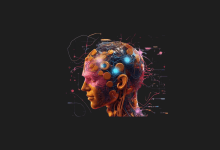
These aren’t just avatars in the metaverse; they’re AI-powered replicas trained on your data—your writing, your voice, your decision-making style.
In short: your AI twin could think, talk, and act like you.
🔹 How Does It Work?
Digital twins of humans are built using:
- Large Language Models (LLMs): like GPT, trained on personal data to mimic your communication.
- Behavioral Data: your choices, patterns, and interactions feed the AI’s learning process.
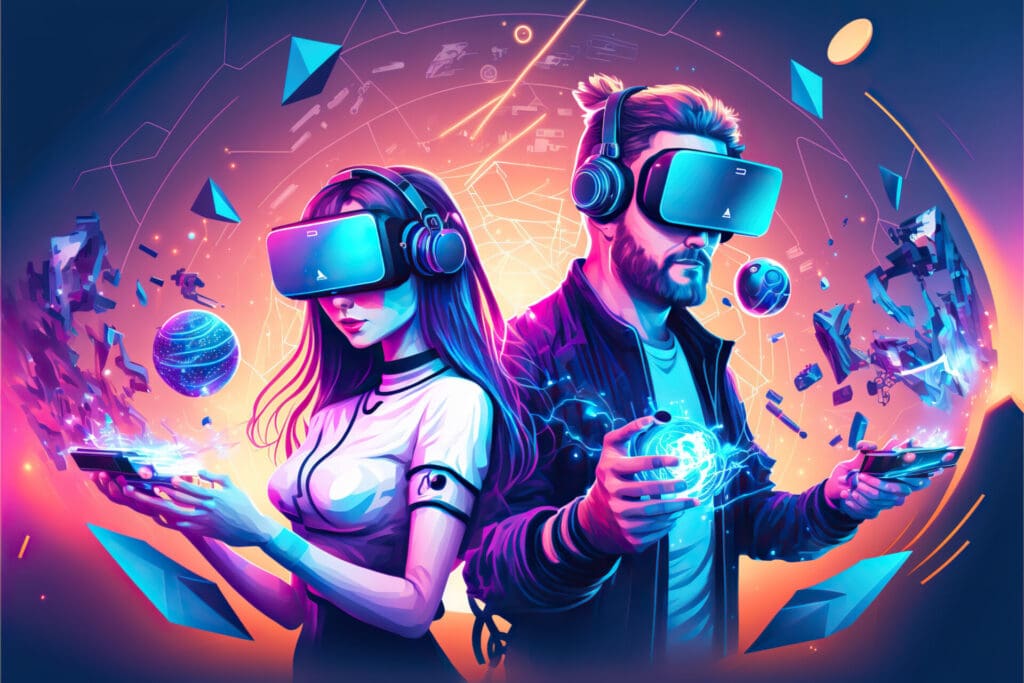
- Virtual Avatars: 3D models or metaverse bodies give the AI clone a physical presence online.
Put it all together, and you get a second version of yourself—one that exists in both digital and AI form.
🔹 Real-World Progress
This is not just theory:
- Carnegie Mellon University and Stanford researchers are exploring human-AI representation.
- Companies like Meta and Microsoft are experimenting with AI-powered avatars in the metaverse.
- Startups are already offering “personal AI assistants” trained on your data, which is the first step toward a true AI twin.
🔹 Why Does It Matter?
The possibilities are huge:
✅ Attending meetings or classes on your behalf
✅ Personalized healthcare monitoring
✅ Legacy preservation—an AI version of you that outlives you
✅ Boosting productivity with a “second brain”
But there are risks too:
⚠️ Who owns your digital twin?
⚠️ Could it be hacked or misused?
⚠️ What if your AI twin makes choices you wouldn’t?
🔹 The Big Question
We are entering a world where identity is no longer just physical—it’s digital and programmable.
So here’s the challenge:
👉 Would you let your AI twin live part of your life for you?
✅ Conclusion: Digital Twins of Humans could change the way we work, live, and interact forever. The line between real and digital identity is blurring faster than ever—and soon, we might all have a clone in the cloud.
You Might Also Like;