Digital Afterlife: Can Human Consciousness Truly Live Forever?


The idea of living forever has fascinated humanity for centuries. From myths of eternal youth to futuristic sci-fi visions, immortality has always been a dream—and sometimes a fear. But in the 21st century, this dream has taken on a new, very real form: the digital afterlife.
What if, instead of fading away after death, your mind could be preserved, uploaded, and re-experienced inside a virtual world? Could technology make “life after death” a scientific possibility rather than just a spiritual belief?
🧠 The Science of Consciousness Mapping
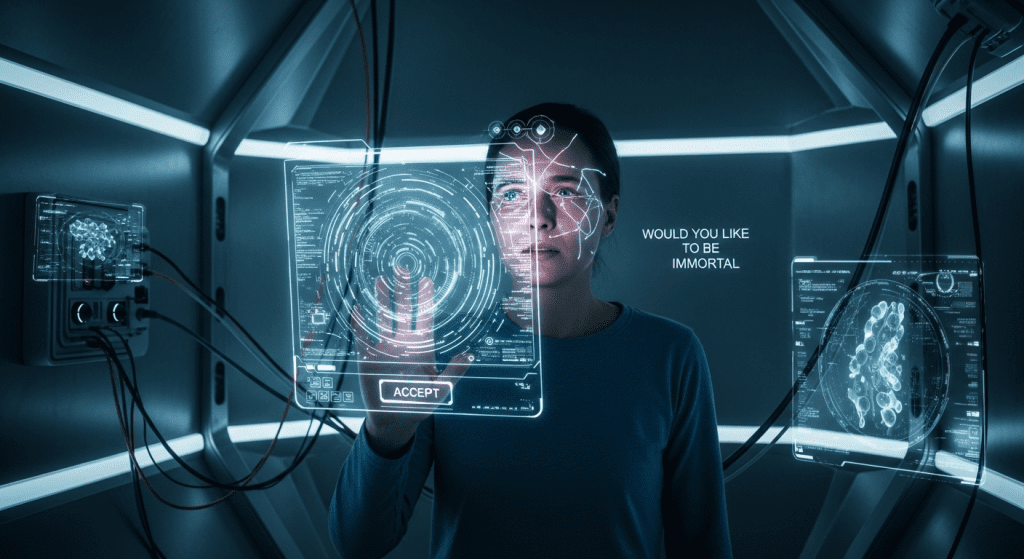
At the heart of the digital afterlife lies the ability to map and replicate the human brain. The brain is estimated to contain 86 billion neurons and trillions of synaptic connections. Projects like the Human Connectome Project and brain-mapping efforts at institutions like MIT and Stanford are already working to chart this vast network.
The concept is simple but daunting: if every neural pathway and memory could be digitally reconstructed, then, in theory, a computer could simulate a person’s thoughts, personality, and even emotions. This is often referred to as mind uploading.
💻 The Role of Artificial Intelligence
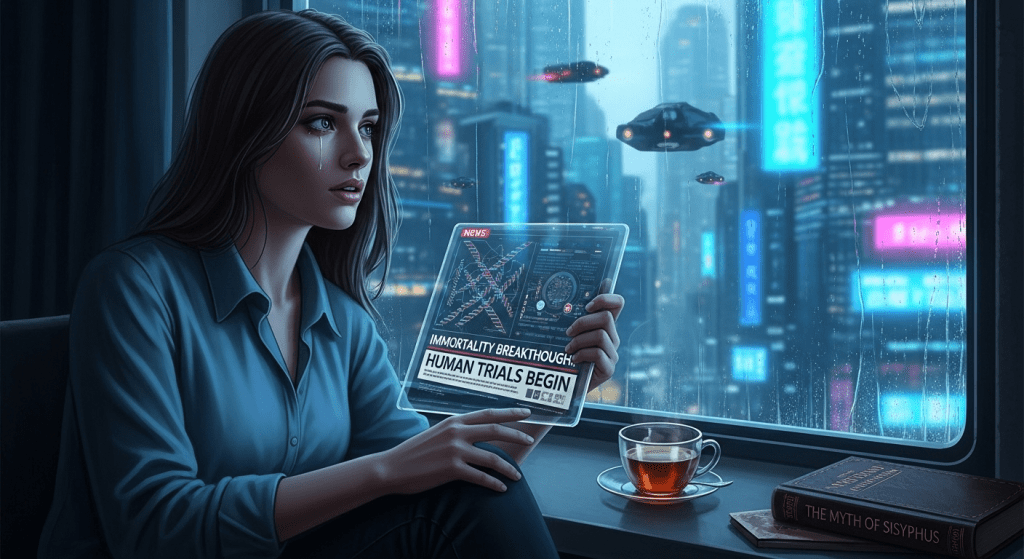
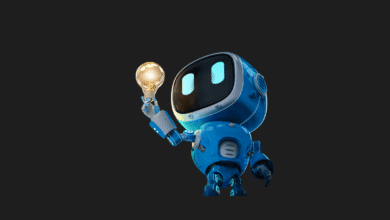
Artificial intelligence would play a crucial role in building and maintaining digital consciousness. Current AI systems already mimic aspects of human cognition, such as language processing, memory recall, and decision-making. Extending these abilities to emulate the complexity of a human mind may one day allow a digital version of you to exist within a virtual environment.
Some companies are even experimenting with AI avatars trained on personal data—text messages, emails, videos, and social media posts—to create a digital “copy” of someone’s personality after death.


🌐 A Virtual World Beyond Death
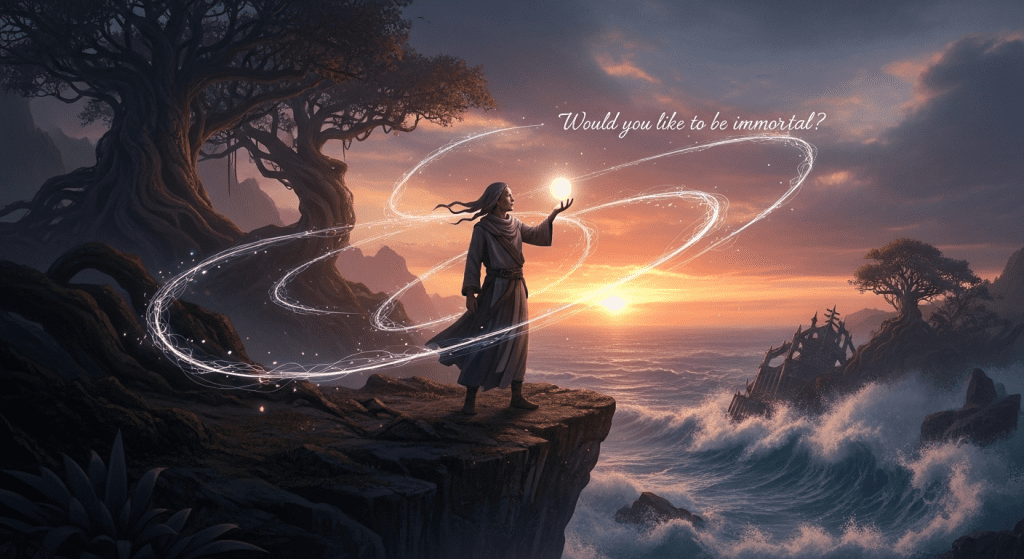
Imagine a future where consciousness exists not in a biological brain, but in a cloud-based virtual reality. Individuals could “live” inside simulated cities, interact with loved ones, or even explore entirely new digital universes. This could redefine the way humanity thinks about identity, legacy, and mortality.
Philosophically, however, a big question remains:
- Would a digital consciousness truly be you—or simply a sophisticated copy of your mind?
- If your biological self ceases to exist, does the digital version carry your “soul”?
⚖️ The Ethical and Social Challenges
The possibility of a digital afterlife raises profound ethical questions:
- Access and inequality: Would immortality be available only to the wealthy?
- Identity and rights: Should a digital consciousness have legal rights as a “person”?
- Emotional impact: How would living relatives cope with interacting with digital versions of deceased loved ones?
🚀 Conclusion: Science Meets Philosophy
The digital afterlife remains a blend of scientific exploration and philosophical speculation. While neuroscience and AI are advancing rapidly, we are still far from fully replicating human consciousness. Yet, each breakthrough in brain-computer interfaces and memory mapping brings us one step closer to testing the boundaries of mortality.
Whether it becomes a reality or remains science fiction, the concept of digital afterlife forces us to confront deep questions about what it means to be human, to exist, and perhaps, to live forever.
You Might Also Like;