MIT Invents Injectable Brain Chips: A Surgery-Free Treatment Revolution


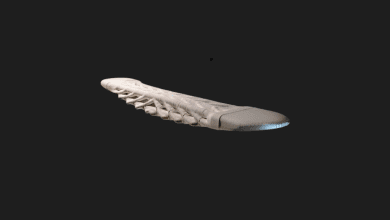
MIT is promising a new era in the treatment of neurological diseases by applying surgery-free electrical stimulation to brain inflammation using wireless micro-implants that can be injected into the blood.
A new biotechnology platform developed at MIT is introducing a treatment approach that could eliminate the need for surgeries requiring external intervention in the brain. The research team is working on wireless brain implants that can be injected into the body and self-navigate to the target area. This system, named “Circulatronics,” is described not as a classic brain chip, but as a holistic treatment infrastructure that can be transported to disease sites.
It Could Treat Neurological Diseases
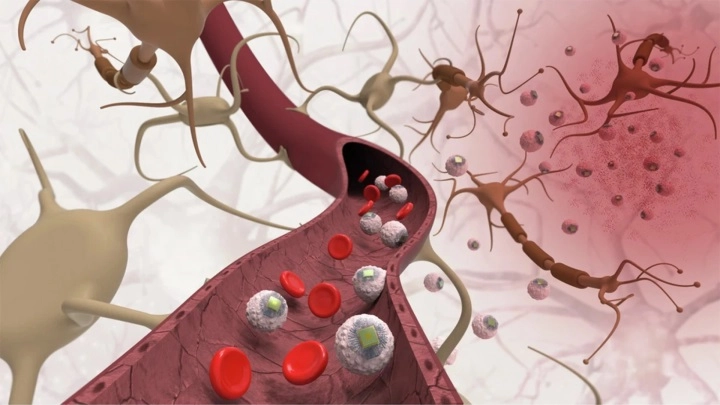
The MIT team, along with researchers from Wellesley College and Harvard University, describes the technology as a fully autonomous bioelectronic implant. The study is based on wireless electronic particles—smaller even than a cell—that can be administered into the bloodstream. These particles, called “SWED” (Sub-cellular Wireless Electronic Devices), form a hybrid structure by merging with immune cells (specifically monocytes) after injection. This allows them to follow the “natural cellular circulation” and be transported to inflamed regions in the brain.
Brain inflammation plays a critical role at the root of many neurological diseases, from Alzheimer’s and MS (Multiple Sclerosis) to stroke and brain tumors. When the SWEDs reach the target area, they settle into the relevant tissues and provide micro-level electrical stimulation. These stimulations aim to restore function to signals that are normally untransmittable. Researchers note that the method was successfully applied in rodent experiments and that the implants could be wirelessly controlled to provide electrical stimulation to neural tissue.
Clinical Trials 3 Years Away
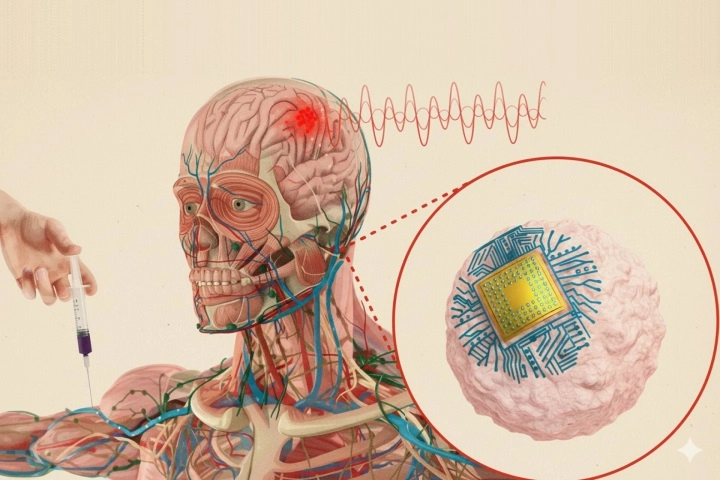
It is noted that it could take at least three years for this technology to be used in clinical trials. If the technology is successful, it may become possible to intervene in brain regions—currently only accessible through high-risk surgeries—in a surgery-free, low-cost, and much safer manner. The study’s lead researcher, Deblina Sarkar, emphasized that the limits of their approach are not confined to the brain, stating that electronic implants working with such biological carriers could be used in different parts of the body in the future.
You Might Also Like;
- We Selected 10 Series Similar to Stranger Things for Those Who Love It
- Where and How is Silver Used in Electric Vehicles?
- Hyundai Unveils Its Multi-Purpose Wheeled Robot


Follow us on TWITTER (X) and be instantly informed about the latest developments…