Blue Origin is Developing a High-Speed Communications Satellite for Mars

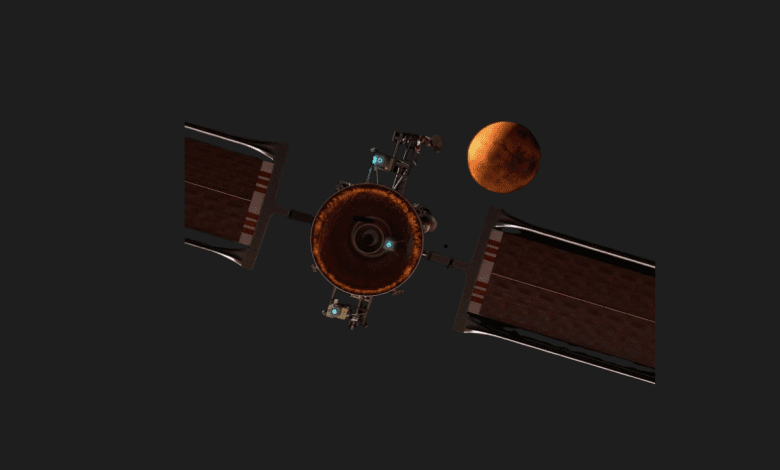

Blue Origin is developing the Mars Telecommunications Orbiter (MTO) satellite to provide seamless, high-speed communication between Earth and Mars for NASA‘s Mars missions starting in 2028.
The world’s focus is largely on the Artemis Moon exploration program. However, humanity’s long-term dream is not just to reach the Moon, but also Mars. Although there is no official and coordinated plan for a crewed Mars mission today, companies preparing in this field are already in the race. Jeff Bezos’s company, Blue Origin, is now making a move toward Mars.
A Communication Network will be Established on Mars
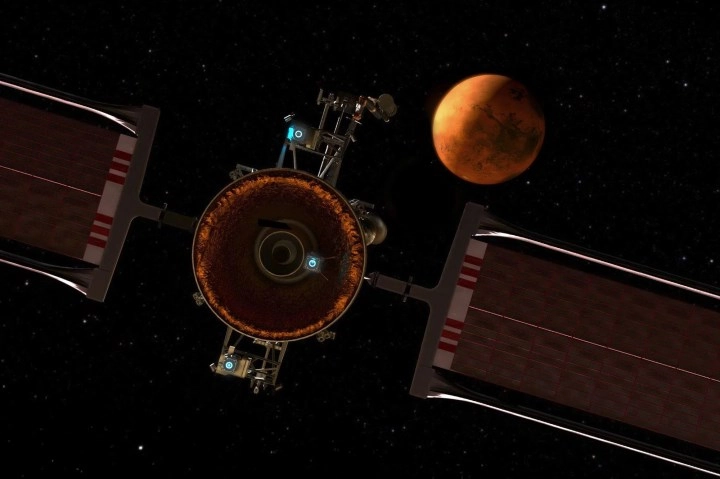
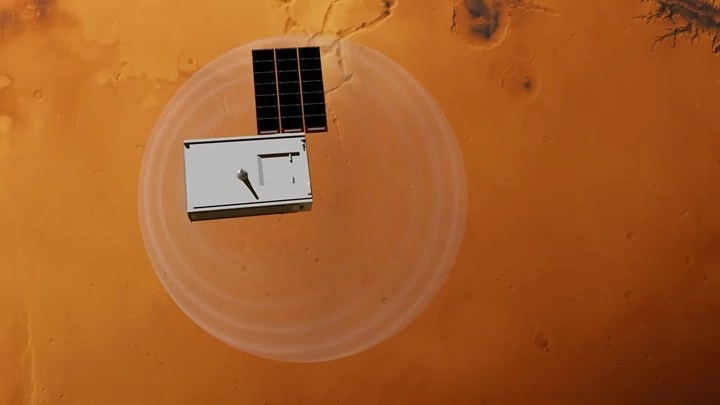
A few months ago, NASA announced that technologies for crewed missions to Mars could be tested starting in 2028. In response, Blue Origin introduced the Mars Telecommunications Orbiter (MTO) project, which will support NASA’s planned Mars exploration mission in 2028. The MTO, built on the company’s existing Blue Ring platform, aims to create an advanced relay network that will provide continuous and high-speed communication between Earth and Mars.
The MTO will establish seamless communication between Earth and Mars with a powerful antenna system that provides steerable, multi-high-speed links and wide coverage. This communication network will also be supported by UHF relay satellites placed in low Mars orbit. This will ensure reliable data transfer for both current Mars missions and future landing and takeoff tests. One of the most notable features of the vehicle is its hybrid (electric + chemical) propulsion system. This system allows it to reach Mars even in challenging mission windows that would not be possible with chemical engines alone. The MTO will be transported to Mars orbit with a payload capacity of approximately 1,000 kg, most of which will be allocated to advanced communication equipment.
Blue Origin did not share information about the project’s current development stage. However, the company states that the MTO will be ready for use in all of NASA’s Mars missions, whether for sample collection or crewed exploration, starting in 2028.
You Might Also Like;