The Live-Action Voltron Movie is Bypassing Theaters for a Prime Video Release

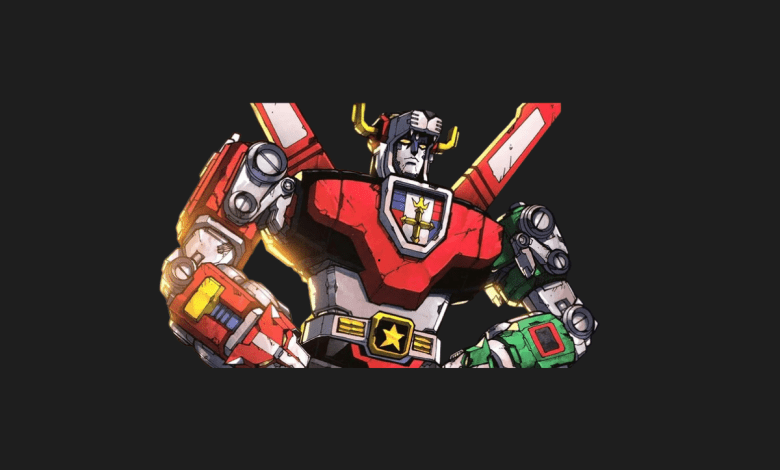

Late last night, after I finally wrapped up my day job at the bank and sat down at the computer to catch up on the day’s tech and sci-fi news, I saw an announcement that genuinely made me stop in my tracks. If you grew up loving giant mechas, space battles, and the sheer scale of epic science fiction, you have probably been keeping a close eye on the upcoming live-action Voltron movie.
Well, the news is officially out from the Amazon Upfront presentation: the Voltron movie, starring Henry Cavill, is completely bypassing movie theaters. Instead, it is heading straight to streaming on Amazon Prime Video.
I have to admit, this one stings a little. When you think of five robotic lions combining into a colossal, sword-wielding defender of the universe, you immediately think of IMAX screens, 3D projections, and thunderous theater sound systems vibrating your seat. Sending a property of this magnitude straight to our living rooms feels like a massive, undeniable shift in the entertainment landscape. Let’s break down exactly what happened, who is involved, why Amazon made this highly controversial call, and what it means for the future of the mecha genre.
The Legacy of Voltron: Why Scale Matters
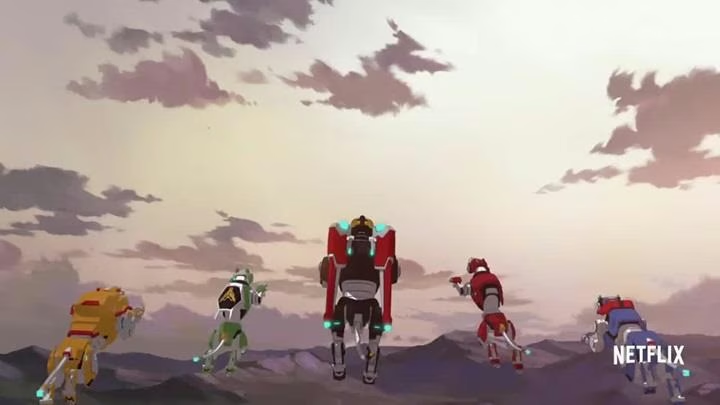
To understand why fans are so frustrated by this news, you have to look at what Voltron represents. Based on the Japanese anime Beast King GoLion, the series was brought to the West in the mid-1980s and completely redefined action cartoons. The concept is pure, unadulterated spectacle: five young pilots control distinct robotic lions, which then combine into a towering humanoid mech to fight intergalactic empires.
We have seen this formula work incredibly well on the big screen. Franchises like Transformers proved that audiences will show up in droves to watch photo-realistic giant robots battle it out. Guillermo del Toro’s Pacific Rim remains a masterclass in establishing the weight, scale, and sheer awe of mechanical titans.
Voltron has always felt like the natural successor to those theatrical experiences. When you announce a live-action adaptation, the expectation is an “Event Movie.” You expect a massive marketing campaign and a shared communal experience in a dark theater. Transitioning this to a streaming-exclusive release inherently shrinks the perceived scale of the project, no matter how much money Amazon pumps into the visual effects.


Why Skip Theaters? Decoding Amazon’s Strategy
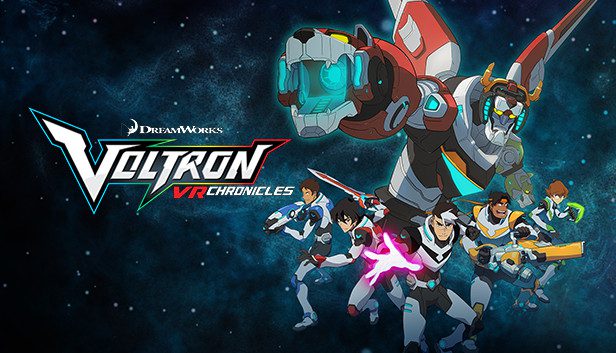
Whenever a highly anticipated, CGI-heavy blockbuster gets pulled from a theatrical release schedule and dumped onto a streaming platform, the internet immediately panics. I spent a good chunk of my morning reading through fan reactions across social media, and the consensus is pretty brutal. Fans are calling it a massive “red flag,” naturally assuming the studio watched a rough cut, lost faith in the movie’s quality, and decided to cut their marketing losses.
But as someone who closely follows the business of digital platforms and media trends, I think Amazon’s strategy here is much more calculated than a simple panic move.
- The Brutal Theatrical Landscape: Putting a massive sci-fi movie in theaters right now is incredibly risky. The marketing budget required for a global release often equals the production cost itself. If Voltron cost $150 million to film, it needs to make upwards of $350-$400 million just to break even. We have seen a lot of legacy 80s IP struggle to hit those numbers recently.
- The Prime Video Blueprint: Amazon recently executed the exact same playbook with the Road House remake starring Jake Gyllenhaal. They bypassed theaters entirely, placed it right on Prime Video’s front page, and it became a massive, record-breaking hit for their platform.
- The Director’s Track Record: The film is directed by Rawson Marshall Thurber. If that name sounds familiar, it’s because he directed Red Notice for Netflix. That movie skipped theaters, went straight to streaming, and became one of the most-watched original films in Netflix history. Thurber knows how to build blockbusters tailored for home viewing.
Amazon isn’t necessarily burying Voltron; they are using it as a premium weapon in the streaming wars to drive Prime subscriptions.
The Cast: Henry Cavill and a New Generation
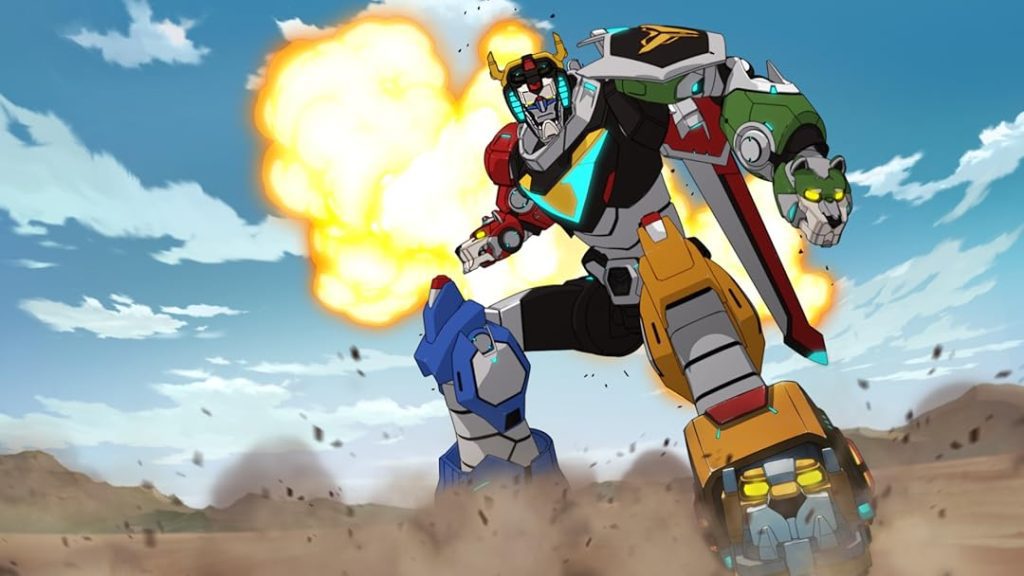
One of the biggest drawing points for this movie, and the reason it generated so much mainstream hype, was the casting of Henry Cavill. We all know Cavill loves his geek culture. Bringing him into the Voltron universe felt like a massive win for the fans.
However, based on the early plot leaks and official statements, this movie isn’t just a nostalgic retread relying on familiar faces. Director Rawson Marshall Thurber has explicitly stated that they are introducing an entirely new generation of pilots to the franchise.
The Core Lineup We Know So Far:
- Henry Cavill: Rumored to be playing a significant, but perhaps supporting role. Speculation points toward him playing a legendary figure connecting the new heroes to the ancient lore.
- Sterling K. Brown: The phenomenal, Emmy-winning actor is heavily rumored to be playing the main antagonist, Emperor Zarkon.
- The New Pilots: Daniel Quinn-Toye, Rita Ora, John Harlan Kim, and Alba Baptista are joining the ensemble.
Instead of a pure 1-to-1 remake of the 1984 cartoon, this live-action adaptation seems to be built as a continuation or a modern reimagining. I actually prefer this approach. Re-telling the exact same origin story rarely works perfectly in live-action. Giving us new pilots dealing with the heavy legacy of the Lions opens up completely fresh storytelling possibilities while keeping the classic lore intact.
Can Giant Robots Survive on a TV Screen?
This brings me to my biggest overarching concern. I cover a lot of advanced technology, generative AI, and digital rendering on this site, so I know exactly how expensive and labor-intensive good CGI is to produce. When a studio knows a movie is destined for streaming, there is sometimes a dangerous temptation to cut corners on the visual effects pipeline because the audience will be watching on iPads and 65-inch TVs instead of laser-projected cinema screens.
How do you make a 100-story tall, brightly colored robot feel heavy, dangerous, and impactful on a small screen?
Practical Magic and Kinetic Force
Fortunately, from behind-the-scenes reports, the production team didn’t just rely on green screens. They built a massive physical rig called the “Lion’s Den.” This rig physically threw the actors around to simulate the brutal, kinetic force of piloting a giant robot in combat. This physical feedback is crucial for selling the realism of the scene to the viewer.
Lighting, Texture, and Scale
If the VFX artists nail the lighting and texture, we might still get that necessary sense of awe. It’s all about environmental interaction—the way rain hits the metal, the way the ground cracks under a mechanical paw, and the slow, deliberate movements of massive machinery.
If Thurber and his VFX team treat this streaming release with the exact same respect and budget as a theatrical blockbuster, the visuals will hold up. But if the CGI looks floaty, weightless, or rushed, the core fanbase is going to be incredibly vocal about it online.
The Evolving Landscape of Sci-Fi
Watching this entire situation unfold makes me think deeply about the broader state of science fiction media. The traditional Hollywood model is rapidly fracturing. We are seeing incredible, high-budget sci-fi stories being told exclusively on streaming, while theaters are increasingly reserved only for established, low-risk mega-franchises.
As an editor who spends late nights analyzing these digital trends, I think we have to accept that the “Event Movie” is evolving. Voltron going to Prime Video means millions of people who would never have bought a movie ticket will simply click “play” on a Friday night. It democratizes access, even if it sacrifices the majesty of the cinema experience.
I am choosing to hold out hope. The kid in me who loved watching those five colored lions form the blazing sword wants this to be a masterpiece, regardless of the screen size.
What do you guys think? Is a straight-to-streaming release an instant dealbreaker for a giant mecha movie, or are you just happy we are finally getting a live-action Voltron with a serious cast? Drop your thoughts in the comments, let’s talk about it!
You Might Also Like;