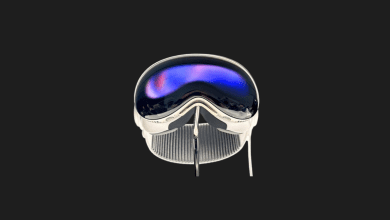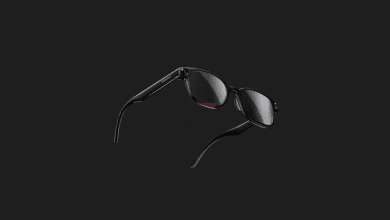
Hey Spartans, Ugu here. After another incredibly long, exhausting shift at the bank today, I finally managed to sit down at my computer, brew a dangerously strong cup of coffee, and dive into the latest hardware rumors from Cupertino. When the rest of the world goes to sleep, we dive deep into the future of technology together. And tonight, we have some serious news about the future of Apple’s spatial computing dreams.
If you are one of the early adopters who dropped a small fortune on the first-generation Apple Vision Pro, you can breathe a sigh of relief: your device isn’t becoming obsolete anytime soon. But, if you are like me and you were patiently waiting for a lighter, cheaper, and more refined Apple Vision Pro 2, I have some bad news.
According to the latest insights from Bloomberg’s Mark Gurman, Apple is pushing the brakes hard on its next-generation headset. In fact, we might not see a true Vision Pro successor until at least 2028. Let’s break down exactly why this is happening and what Apple is actually focusing on instead.
The Great Pivot: From Spatial Computing to Wearable AI
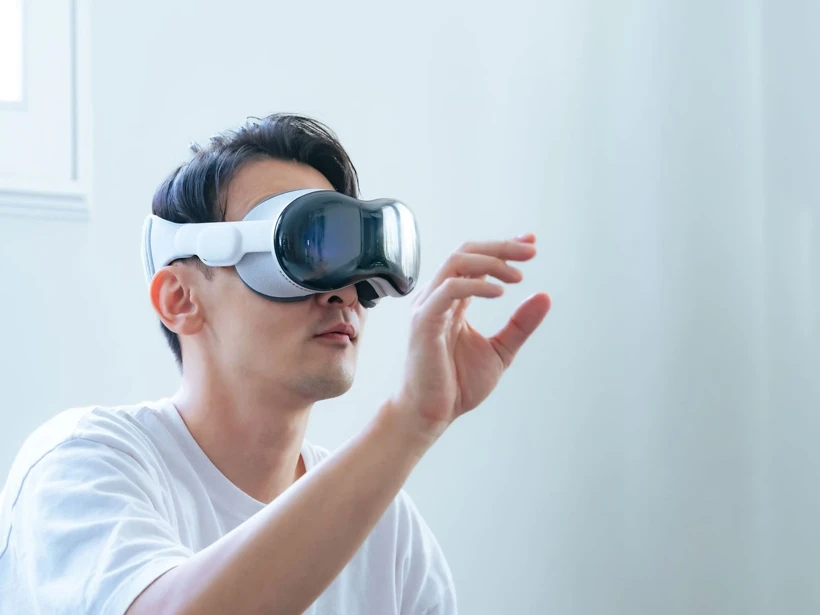
I have been analyzing tech trends for years, and I can tell you that companies rarely delay major flagship products without a massive strategic reason. Apple hasn’t lost its ability to engineer great hardware; instead, they have realized that the market’s immediate appetite has shifted entirely toward Artificial Intelligence.
Right now, Apple is reportedly redirecting its massive R&D resources away from bulky headsets and toward a new ecosystem of AI-powered wearables. Here is what they are secretly working on:
- AI-Powered Pendants: Think along the lines of a smart necklace or clip-on device that constantly listens and interacts with your environment using generative AI.
- AirPods with Built-in Cameras: This blew my mind when I first read it. Apple wants to put tiny, low-resolution cameras on AirPods. Why? Not for taking selfies, but for multimodal AI processing. They want your AI assistant to “see” what you are looking at and provide real-time audio feedback.
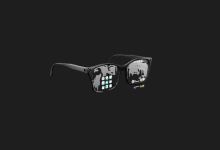
- Lightweight AR Glasses: This is the holy grail. Glasses that look like standard Ray-Bans but project a clean, augmented reality interface right into your field of view.
When I look at this list, it becomes incredibly clear to me: Apple wants AI everywhere, and they want it to be frictionless. A heavy headset you wear alone in your living room is not frictionless. A pair of smart AirPods that talk to you while you walk down the street? That changes everything.
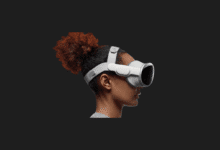
What Went Wrong with the First Vision Pro?
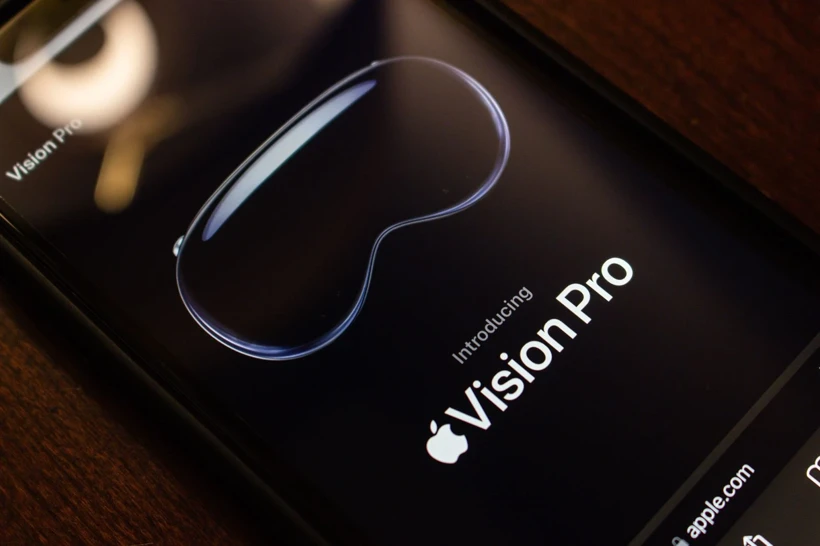
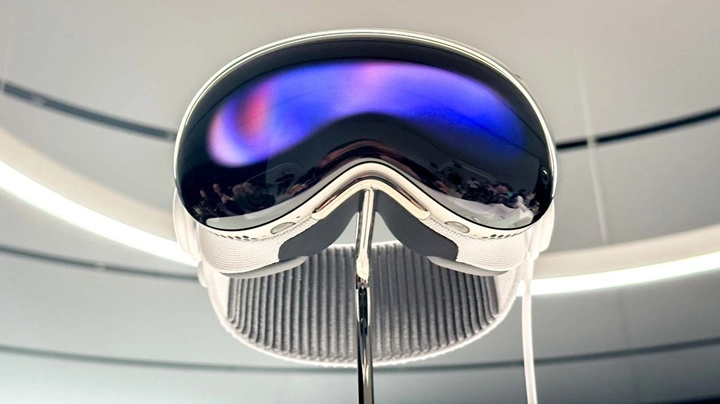
Don’t get me wrong, the original Vision Pro is a technological masterpiece. It successfully merged augmented reality (AR) and virtual reality (VR) into what Apple calls “spatial computing.” The ability to pin multiple digital screens to your physical walls, watch movies in a virtual cinema, or seamlessly transition from a real-world view to a fully immersive digital environment is nothing short of magic.
But as I always say when evaluating new tech: if it’s not comfortable, it won’t survive.
The first-generation Vision Pro suffers from two massive, unavoidable problems:
- The Extreme Price Tag: At $3,500, it is simply too expensive for the average consumer. It acts more like a paid developer kit than a mainstream gadget.
- The Physical Weight: Even die-hard tech reviewers admit that wearing an aluminum-and-glass computer on your face for more than an hour causes serious neck fatigue and discomfort.
Inside Apple, it’s rumored that even top executives are keeping their distance from the current model because of how cumbersome it is. You cannot build the future of daily computing on a device that people physically want to take off after 45 minutes.
The True Endgame: Augmented Reality Glasses
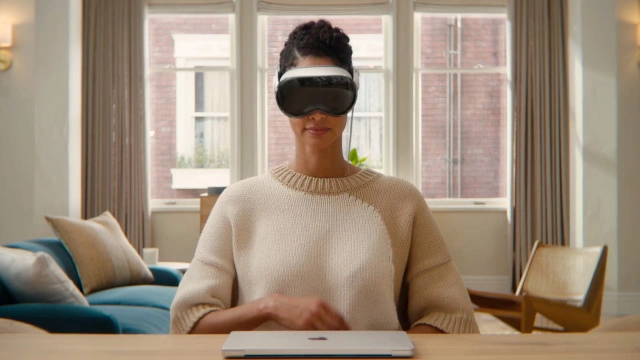
I firmly believe that the Vision Pro was never meant to be the final form factor. It is a transitional device. It exists so developers can learn how to build apps in 3D space, preparing the ecosystem for the real goal: Everyday AR Glasses.
Apple knows that the future isn’t a ski-goggle headset. The future is a lightweight, stylish pair of glasses that you wear from morning to night. By shifting their focus toward smart glasses and camera-equipped AirPods, Apple is admitting that the technology required to make AR glasses a reality—micro-LEDs, highly efficient mobile chips, and lightweight batteries—needs more time to cook. The Vision Pro is just the bridge getting us there.
Meta is Quietly Winning the Ground War

While Apple is busy trying to perfect a luxury $3,500 headset and delaying its sequel, we cannot ignore the elephant in the room. Meta is absolutely dominating the actual consumer market.
With devices like the Meta Quest 3 and the highly accessible Quest 3S, Mark Zuckerberg’s team is putting capable mixed-reality hardware into millions of homes. Furthermore, HTC Vive and other competitors are building strong footholds in enterprise, education, and technical training sectors. Meta’s partnership with Ray-Ban to create AI smart glasses has also been a massive, unexpected commercial success.
I think Apple is watching Meta’s smart glasses fly off the shelves and realizing that users prioritize lightweight AI over heavy, immersive VR. Apple isn’t abandoning the space entirely, but they are definitely recalibrating their strategy to fight Meta where it actually hurts.
So, What is Next for Apple?
If we aren’t getting new hardware in the VR space anytime soon, what should we expect from Apple this year?
According to the supply chain leaks, Apple’s upcoming major events—especially WWDC—will be almost entirely dominated by software. We are going to see massive upgrades to Siri, deep integrations of generative AI across iOS, iPadOS, and macOS, and entirely new ways for our existing devices to act as autonomous agents. For the short term, Apple wants to make the iPhone in your pocket dramatically smarter, rather than selling you a new screen for your face.
My Final Thoughts
Honestly, I think delaying the Vision Pro 2 is the smartest move Apple could make right now. The market isn’t ready for another expensive headset, and the technology isn’t ready to be shrunken down yet. I’d much rather wait until 2028 for a device that actually feels like a seamless part of my life, rather than another heavy prototype.
But I want to hear from you, my Spartans. If you had $1,000 to spend on next-generation tech today, would you buy a bulky mixed-reality headset, or would you prefer a sleek pair of AI-powered smart glasses?
Let’s debate down in the comments!
You Might Also Like;