
I don’t know about you, but the idea of getting a medical diagnosis from a chatbot still gives me a slight pause. We’ve all gotten used to AI writing our emails, generating code, and even creating art. But when it comes to our health—our actual physical well-being—the stakes are infinitely higher.
Recently, I was following the discussions out of the CNBC CONVERGE LIVE event in Singapore, and the main topic was something that affects every single one of us: the rapid invasion of Artificial Intelligence into the healthcare sector. Experts are aggressively debating whether AI will remain just a helpful assistant or if it’s positioning itself to eventually replace human doctors.
Let’s break down what the industry leaders are saying, what the tech giants are building, and why this is a transition we all need to watch very closely.
From Assistant to Diagnostician?
Right now, AI is already deeply embedded in the medical world. It’s analyzing radiological images faster than humans and summarizing complex patient symptoms. That’s the “assistant” phase.
The real controversy starts when we ask: Can an AI directly diagnose and prescribe?
Traditional medicine relies on years of grueling medical school, clinical intuition, and that crucial human connection. The new generation of Large Language Models (LLMs) tries to simulate this by processing billions of data points in milliseconds. It’s incredibly powerful, but as I learned from the recent panels, it’s terrifyingly flawed if left unchecked.


Curing the “Waiting Room” Crisis

During the event, Alex Zhavoronkov, the CEO of Insilico Medicine, made a point that really resonated with me. He argued that we should be using AI for basic health queries much more than we currently do.
He believes that for fundamental questions like, “What should my diet look like based on my blood work?” or “Should I be worried about this minor symptom?”, an “AI Physician” is already capable of giving answers that rival human doctors.
I honestly see the massive benefit here. Think about it:
- Massive Time Savings: AI can instantly cross-reference your health profile with billions of medical parameters.
- Reducing Hospital Overcrowding: If AI can handle the basic, non-life-threatening consultations, doctors can dedicate their time to critical patients who actually need hands-on care.
The Fatal Flaw: AI “Hallucinations”
However, not everyone is ready to hand over the stethoscope just yet. Shreehas Tambe, CEO of the biotech company Biocon, voiced what I consider the most critical concern: “Cautious optimism.”
Tambe pointed out that putting these highly complex, still-developing AI platforms into the hands of people who don’t understand their limitations is a recipe for disaster.
- The Hallucination Danger: We all know AI sometimes makes things up with absolute confidence. If ChatGPT hallucinates a historical fact, you fail a trivia quiz. If a medical AI hallucinates a dosage or misinterprets a symptom, it could be fatal.
- The “Human-in-the-Loop” Necessity: This is why experts are demanding that human doctors remain the ultimate decision-makers. The AI can suggest the route, but a qualified human must hold the steering wheel.
Big Tech is Already in Your Chart
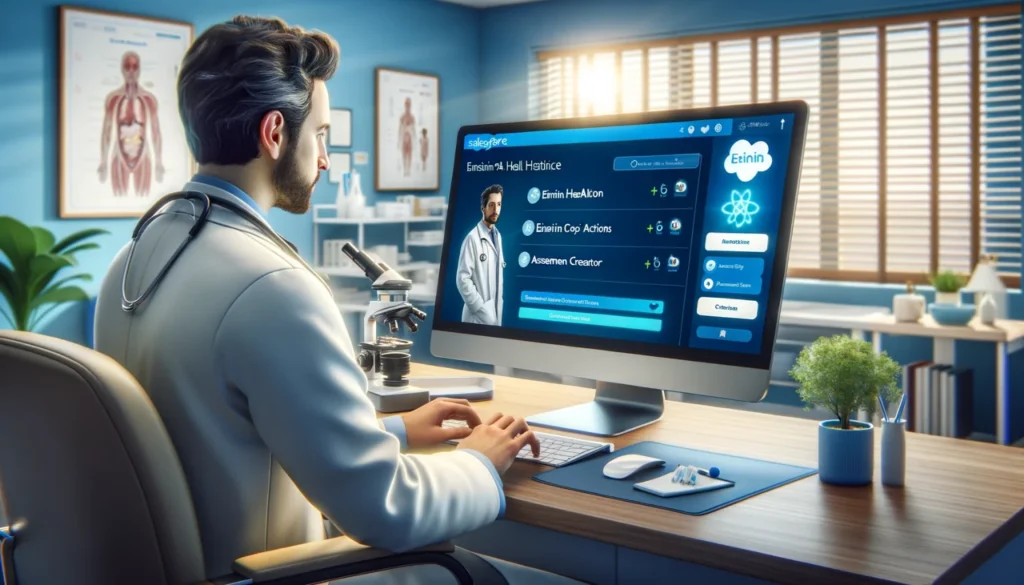
While the experts debate the ethics, the tech giants are aggressively moving forward. I’ve noticed a massive push from the biggest players in just the last few months:
- OpenAI’s ChatGPT Health: Launched recently, this allows users to securely connect their health apps and medical records. They legally state it’s “not for diagnosis,” but let’s be real—it’s giving users unprecedented, personalized medical insights.
- Amazon’s HealthAI: Available for One Medical members, this tool pulls together lab results, medical history, and current prescriptions to offer tailored advice.
They are carefully navigating the legal red tape, but the ultimate goal is clear: becoming your primary, digital health consultant.
The Hidden Revolution: Drug Discovery
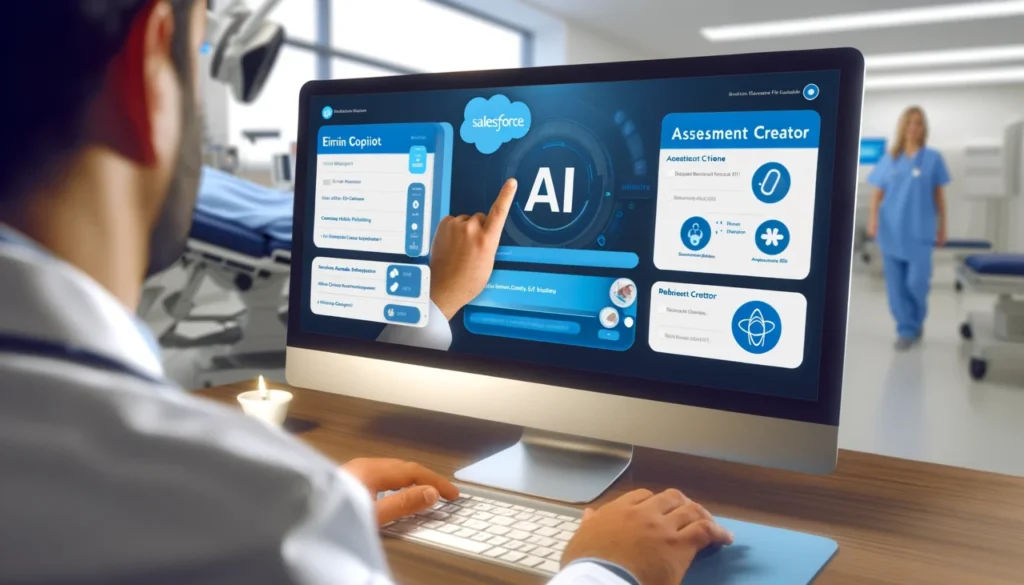
While we argue about AI chatbots diagnosing our colds, there is one area where AI is already an undisputed champion: Drug Discovery.
Historically, bringing a new drug from an idea to a viable candidate took over four grueling years. AI has slashed that timeline to just 18 months. This level of efficiency is mind-blowing. Just last March, pharma giant Eli Lilly dropped a staggering $2.75 billion in a partnership with Insilico Medicine specifically to bring AI-developed drugs to market.
My Final Take
The AI revolution in healthcare isn’t a future concept; the contracts are signed, the models are trained, and the deployment has begun. While I love the idea of never having to sit in a crowded waiting room for a simple consultation, I also know that a machine can’t look you in the eye and tell you everything is going to be okay. We need to find the balance between algorithmic efficiency and human empathy.
I’m incredibly curious about where you stand on this. If you had a strange, persistent symptom tomorrow, would you trust an advanced AI to give you a preliminary diagnosis, or are you strictly sticking with a human doctor? Let’s debate this in the comments!
You Might Also Like;