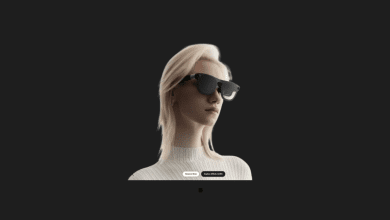
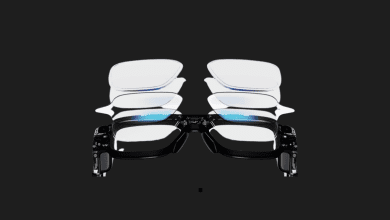
RayNeo X2 AR Glasses Review: The Future of Standalone Smart Eyewear

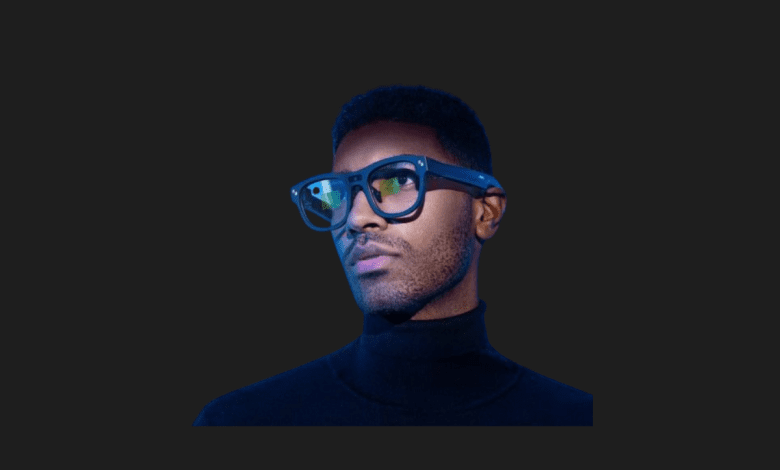

I have spent years waiting for the “Iron Man” moment—the second you put on a pair of glasses and the world suddenly becomes a data-rich playground. Most AR glasses I’ve tried have been either tethered to a phone or limited to a tiny, monochromatic corner of my vision. The RayNeo X2 is the first pair that actually feels like a standalone computer living on my face. With its binocular full-color Micro-LED displays, it doesn’t just show notifications; it overlays the digital world onto the physical one with a level of brightness that even mid-day sun can’t wash out. After two weeks of navigating city streets and translating foreign menus in real-time, I’m convinced the era of true wearable AR has finally arrived.
Pros & Cons
- ✅ True Standalone Power: Powered by the Snapdragon XR2, these glasses don’t need a cable or a phone connection to function.
- ✅ Incredible Brightness: The 1,500 nits Micro-LED display ensures the AR elements are crisp and visible even in direct sunlight.
- ✅ Revolutionary AI Translation: Real-time, face-to-face dialogue translation with floating subtitles is a literal life-changer for travelers.
- ❌ Significant Bulk: They are noticeably larger and heavier than standard glasses, which can lead to nose-bridge fatigue after an hour.
- ❌ Short Battery Life: Under heavy AR usage or constant navigation, the battery drains quickly, necessitating a midday top-up.
- ❌ Early Ecosystem: While the core apps are great, the third-party app store is still in its infancy compared to mobile platforms.
Technical Specifications
| Feature | Details |
|---|---|
| Display Technology | Binocular Full-Color Micro-LED Waveguide |
| Brightness | Up to 1,500 nits |
| Processor | Qualcomm Snapdragon XR2 |
| Camera | 16MP (1080p Video / EIS) |
| Memory / Storage | 6GB RAM / 128GB ROM |
| Connectivity | Bluetooth 5.2, Wi-Fi 6 |
My Experience: Living with a Digital Layer
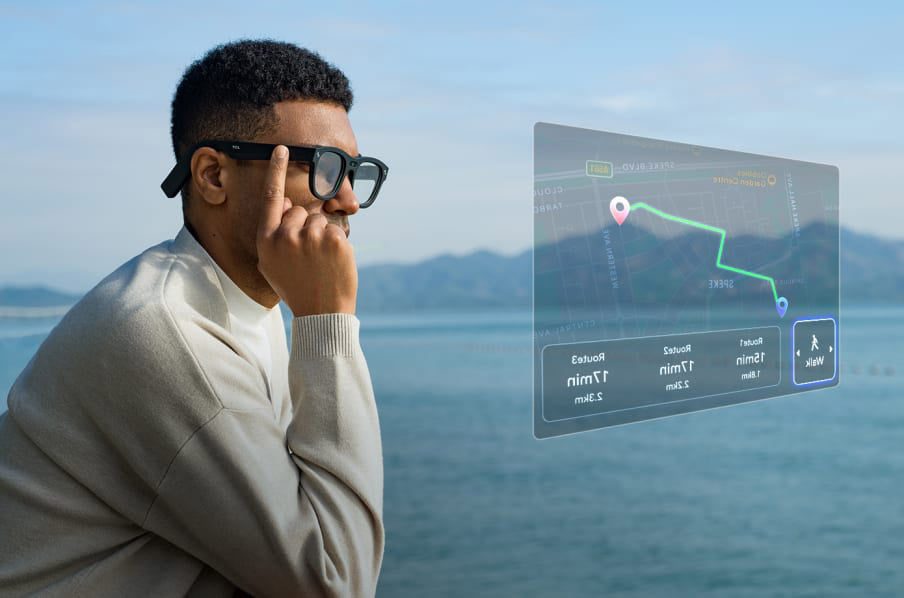
The first time I walked into a crowded coffee shop wearing the RayNeo X2, I felt a bit like a time traveler. The glasses are definitely “tech-forward” in their design—people will notice them—but the utility they provide quickly makes you forget the aesthetic. I started my test by using the built-in SLAM (Simultaneous Localization and Mapping) navigation. Instead of looking down at my phone, blue arrows appeared on the actual sidewalk in front of me, pointing the way to my destination. It’s a much safer and more immersive way to move through a city, allowing me to keep my eyes up and on my surroundings.
The AI-powered translation is the standout feature that I think will sell these to most people. I tested this with a colleague who speaks Mandarin. As he spoke, white text appeared in my field of vision, hovering just below his chin, translating his words in near real-time. It wasn’t perfect, but it was accurate enough to maintain a fluid conversation without the awkwardness of passing a phone back and forth. This is the “killer app” for AR—a tool that removes a fundamental human barrier through technology.
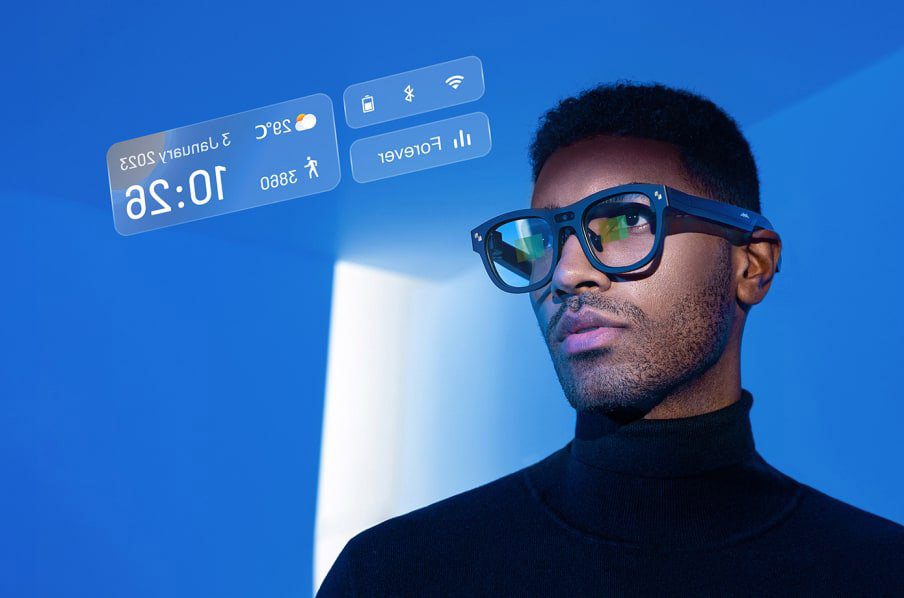
Hardware-wise, the Micro-LED displays are the stars of the show. Unlike the “ghostly” and translucent images found in older AR tech, the X2 produces vibrant, solid-looking colors. I was able to watch a quick YouTube clip and read emails clearly while sitting in a park at high noon. However, the tradeoff for this power is the thermal management. After about 45 minutes of using the 16MP camera and navigation simultaneously, the right temple of the glasses became noticeably warm. It never reached an uncomfortable level, but it serves as a reminder of how much processing power is packed into such a small frame.
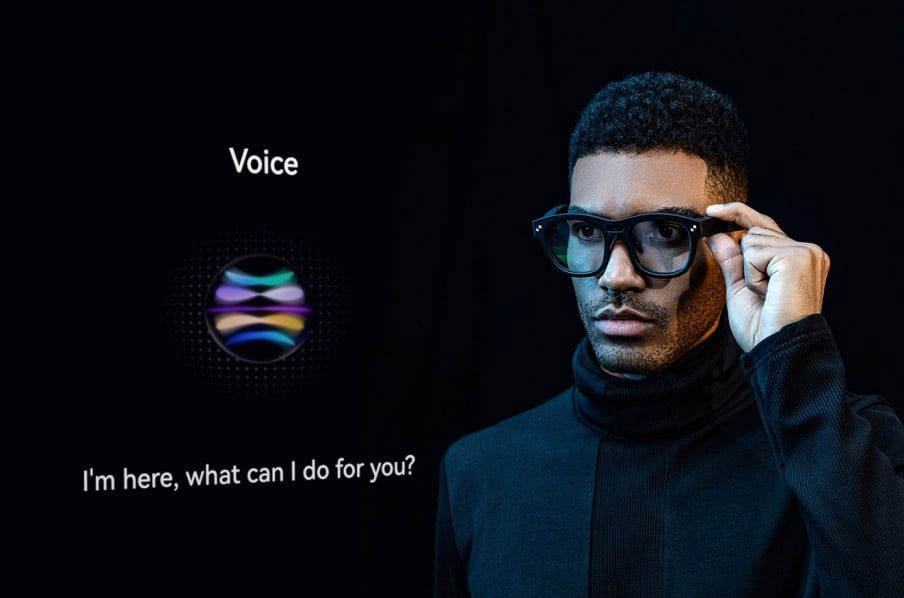
The “smart assistant” integration also felt intuitive. Being able to ask the glasses for the weather or to take a photo hands-free via voice command felt natural. The 16MP camera is surprisingly decent for quick POV shots, though it won’t replace your flagship smartphone for serious photography. For me, the RayNeo X2 represents the awkward but exciting teenage years of AR: it’s a bit bulky and the battery could be better, but the core functionality is so impressive that you can’t help but be excited about where this is going. It’s a tool for the pioneers who want to see the future before everyone else does.
Who is this for? / Alternatives
The RayNeo X2 is built for early adopters, tech enthusiasts, and international travelers who want a standalone AR experience. It’s an excellent tool for professionals who need hands-free information or real-time translation during global business trips.

Alternatives:
- XREAL Air 2 Ultra: Much lighter and more stylish, but requires a tethered connection to a phone or the XREAL Beam to function.
- Meta Ray-Ban Smart Glasses: Far more stylish and better for social media, but lacks a true AR display—they are essentially a camera and speakers for your face.
Quick FAQ
Can I use these if I wear prescription glasses?Yes, the RayNeo X2 comes with a prescription lens frame that you can have fitted by your local optician and magnetically attach to the interior of the AR glasses.
Does it have built-in speakers?Yes, it features dual speakers integrated into the temples that use “whisper mode” to direct sound to your ears while minimizing what people around you can hear.
Is the translation feature free?The core translation features are integrated into the RayNeo ecosystem, though some advanced real-time cloud-based AI services may require an internet connection via Wi-Fi or a phone hotspot.
RayNeo X2 AR Glasses Review
Product Images




Product Video
You Might Also Like;