The Era of Smart Skin: When Your Body Becomes the Ultimate Gadget


Forget the smartwatch you are wearing right now. Seriously, take a look at it. We think it’s the peak of wearable technology, but what if I told you that in the near future, your own skin could be the screen?
I was honestly mind-blown while researching this topic. I thought we were at least a few decades away from turning our actual biology into a tech interface, but I was completely wrong. Our bodies are literally becoming the next big hardware platform, and the shift from “wearable” to “integrated” technology is happening right under our noses.
Here is what I found, why it matters, and why it honestly scares me just a little bit.
What Exactly is “Smart Skin”?

When I first heard the term, I pictured some dystopian cyberpunk movie where people have metallic plates bolted to their arms. The reality is far more subtle and, frankly, much more impressive.
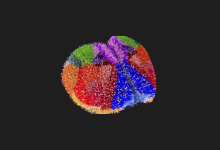
Smart skin (or electronic skin/e-skin) refers to thin, flexible, and stretchable electronic materials that mimic the functions of human skin. We are talking about ultra-thin patches equipped with microscopic sensors that can detect pressure, temperature, chemical balances, and even electrical signals from your nervous system.
Instead of carrying a rigid piece of glass and metal in your pocket, the technology simply rests on—or integrates with—your biological envelope.

From Medical Miracles to Sci-Fi Camouflage

The reason this isn’t just a gimmick is the sheer variety of applications. I dove deep into the current use cases, and the spectrum of what scientists are doing right now is staggering.
1. Giving Feeling Back: The Stanford Breakthrough
The most touching (pun intended) application I discovered comes from Stanford University. Researchers there have developed an artificial “smart skin” that allows prosthetic arms to actually feel temperature and touch.
Think about what this means. For decades, prosthetic limbs have been functional tools. Now, through soft electronics that can communicate directly with the brain’s nervous system, an amputee can feel the warmth of a coffee cup or the gentle pressure of holding a loved one’s hand.
- The Tech: It uses a matrix of incredibly tiny sensors combined with integrated circuits that convert physical sensations into electrical pulses the human brain can understand.
- My Take: This is where technology shows its absolute best side. It’s not about swiping on social media faster; it’s about restoring a fundamental human experience.
2. The Beauty Industry’s Real-Time Tracker
Moving from medicine to lifestyle, the cosmetics world is aggressively entering the chat. Imagine beauty sensors that look like tiny, transparent stickers you place on your face.
- These aren’t just for show. They track your skin’s hydration, UV exposure, and even aging markers in real-time.
- Instead of guessing which moisturizer works, your smart skin patch sends data directly to your phone, telling you exactly what your skin needs at 2:00 PM on a Tuesday.
3. Octopus-Inspired Camouflage
This is where I started feeling like I was reading a sci-fi novel. Engineers have developed synthetic skins inspired by cephalopods (like octopuses and squids).
- By using programmable materials that react to light and temperature, this skin can change color and pattern instantly to match its surroundings.
- While the military applications are obvious, imagine the fashion and consumer tech possibilities. Clothing or wearable patches that shift colors based on your mood, the weather, or the music you are listening to.
The $9 Billion Reality Check

If you think this is just a bunch of university lab experiments, think again. The smart skin market has already exploded into a massive 9 billion dollar industry.
Big tech companies, medical conglomerates, and even defense contractors are pouring billions into research and development. Why? Because the data harvested from the human body is the most valuable commodity of the next decade.
We have maxed out what we can learn from tracking mouse clicks and screen time. The next frontier for tech giants is biological data. Which brings me to the part that keeps me up at night.
The Dark Side: Are We the Ultimate Data Source?
Here is what scares me a bit: if our sweat can tell a giant tech corporation exactly how stressed we are, isn’t that the ultimate privacy hack?
Right now, if I don’t want a company to track my location, I can leave my phone at home. If I don’t want them to know what I’m thinking about, I can stop searching for it on Google. But smart skin changes the game entirely.
- Continuous Biometric Tracking: These sensors can monitor cortisol levels (stress), glucose spikes, heart rate variability, and hydration.
- The Privacy Loophole: Who owns the data of your sweat? If a smart patch knows you are highly anxious before a job interview or a purchase decision, can that data be sold to advertisers to target you when you are most emotionally vulnerable?
We are eagerly inviting hardware onto our epidermis without having laws in place to protect our most intimate biological reactions. I love technology, but letting corporate algorithms have a direct read on my nervous system feels like crossing a massive red line.
Final Thoughts
The leap from carrying a smartphone to wearing an electronic second skin is going to happen much faster than we anticipate. From restoring the sense of touch to amputees, to giving us chameleon-like abilities, the benefits are genuinely revolutionary.
But it comes at the cost of turning our own bodies into broadcasting nodes for biometric data. We are no longer just using gadgets; we are becoming them.
I would love to know what you think about this. If a company offered you a smart skin patch that could perfectly optimize your health and daily life, but it meant they had access to your biological data, would you let your body become a data source? Let’s discuss it in the comments below! 👇
You Might Also Like;