
For years, I’ve been writing about the digital transformation of our world. We talk about virtual spaces, digital identities, and the future of connectivity. But sometimes, the biggest shifts happen right here in the physical world, on the asphalt beneath our feet.
If you are a petrolhead or just someone who follows the auto industry, you probably felt this moment approaching. But honestly, it arrived faster than even I expected.
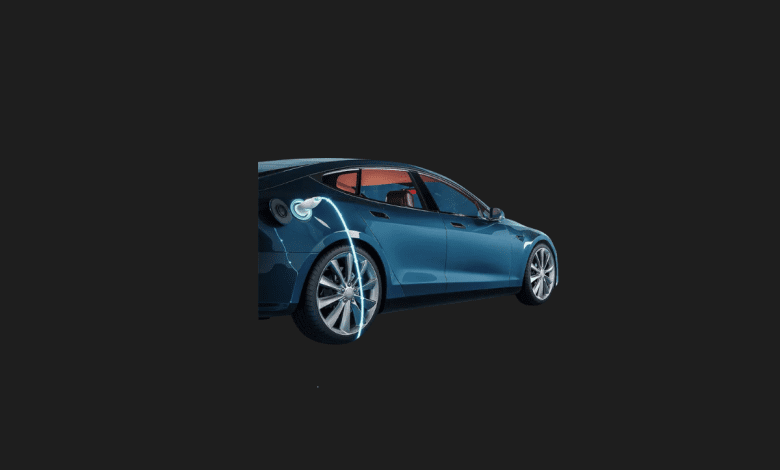
According to the latest data from December, a historic milestone has been crossed in Europe: Fully electric vehicles (EVs) have officially outsold petrol cars for the first time.
This isn’t just a statistical blip; it is the ringing of a bell. The era of the internal combustion engine (ICE) isn’t over yet, but the dominance is officially broken. Let’s dive into what the numbers say and, more importantly, what this means for our tech-driven future.
The Historic Flip: By the Numbers
I spent some time looking at the report from the European Automobile Manufacturers’ Association (ACEA), and the trend lines are fascinating. For decades, petrol was the undisputed king of the road. But December changed the narrative.
While petrol cars are still holding onto the lead if you look at the entire year (with about 26.6% market share), the momentum has completely shifted.


- Petrol Decline: Demand dropped by 18.7% towards the end of the year.
- The Rise of EVs: Pure electric models surged past them in monthly sales.
This tells me one thing: The consumer mindset has changed. Buying a traditional gas car in 2026 feels increasingly like buying a DVD player when Netflix exists. It still works, but you know you’re investing in yesterday’s technology.
The Collapse of Diesel: From Hero to Zero

Remember the days when diesel was marketed as the “efficient” and “economical” choice for Europeans? Those days are long gone.
The data shows that diesel took the hardest hit.
- Market Share: It has shrunk to a measly 8.9%.
- The Drop: Registrations fell by 24.2%.
I was reading rumors that some fuel stations in the UK and mainland Europe might stop selling diesel entirely by 2030. Think about that for a second. If you buy a diesel car today, you might genuinely struggle to find a place to fill it up in five years. That is a terrifying prospect for resale value, and it explains why drivers are abandoning the ship in droves.
Hybrids: The “Safe Harbor” for Transition

Here is where it gets interesting. While we love to talk about the “Electric Revolution,” the actual MVP (Most Valuable Player) of the year wasn’t the pure EV—it was the Hybrid.
Hybrids captured a massive 34.5% of the market.
Why? I think the answer is simple: Anxiety. Even though charging infrastructure is getting better, people (myself included) still worry about getting stuck in the middle of nowhere with 2% battery. Hybrids offer a psychological safety net.
The Rise of the Range Extender
I am particularly obsessed with the new wave of tech coming from companies like Xpeng. They are using a system often called a “Range Extender.”
- The car drives on electric power 100% of the time.
- There is a small gas engine, but it never turns the wheels. It just acts as a generator to charge the battery.
- Result: A range of over 1,000 kilometers.
This is the bridge technology that I believe will finally kill range anxiety. It treats the combustion engine not as the heart of the car, but just as a backup battery pack.
The “China Shock” and the Price War

We cannot talk about this shift without addressing the elephant in the room: Chinese Manufacturers.
A few years ago, Chinese cars were seen as cheap alternatives. Now? They are setting the standard.
- BYD’s Explosion: The Chinese giant increased its sales by a staggering 228% in just one year, reaching 129,000 units in Europe.
- Legacy Response: European giants are scrambling to fight back. We are finally seeing cars like the Renault 5 E-Tech—stylish, electric, and actually affordable.
This competition is fantastic for us. For a long time, EVs were “tech toys for the rich.” Now, with BYD pushing prices down and Renault/Peugeot responding, the “Apple-ification” of the car market is expanding to the mass market.
Ugu’s Take: The Car as a Gadget

So, why does a “Metaverse” content creator care about car sales?
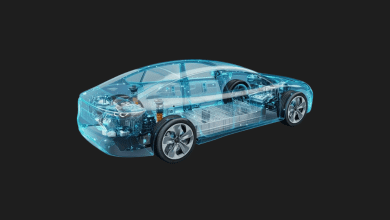
Because the car is becoming the next great digital platform. When we move away from combustion engines, we remove thousands of moving mechanical parts. We replace them with batteries, motors, and software.
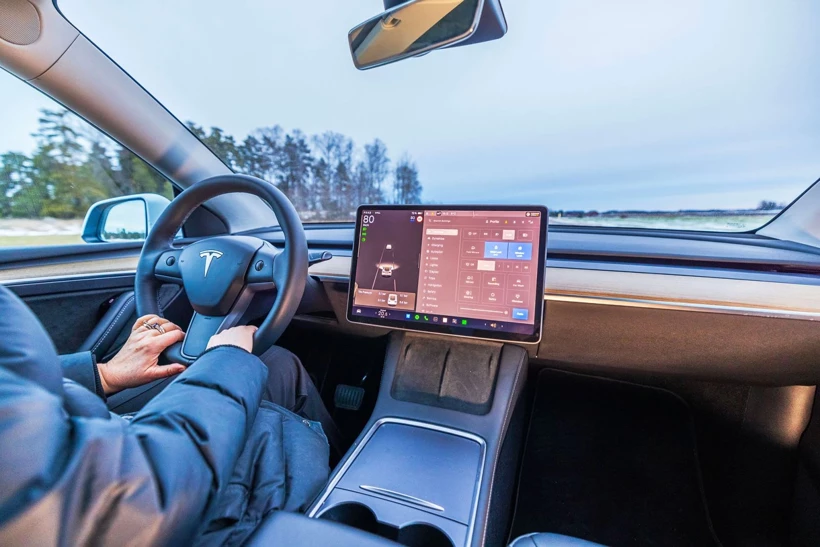
- The Cockpit: Modern EVs are essentially rolling smartphones. They are integrated with our digital lives.
- The Experience: As autonomous driving improves (which is easier on electric platforms), the car becomes a mobile living room. It becomes a space to consume content, hold meetings, or enter the Metaverse while commuting.
The fact that Europe has tipped in favor of electrics means the infrastructure for this “connected future” is finally being laid. We aren’t just changing fuel; we are changing how we interact with mobility.
The Resistance is Fading I used to hear people say, “I’ll never give up the sound of an engine.” But looking at these numbers, I think practicality and technology are winning the argument. The silence of an electric motor is the sound of the future arriving.
What’s Next?
This year is going to be messy. We will see traditional automakers fighting for survival, Chinese brands trying to dominate, and hybrids acting as the peacemakers in the middle.
But one thing is clear: The roadmap has been redrawn. The internal combustion engine is now officially on life support.
I want to hear from you. Are you part of the 34% who feels safer with a Hybrid, or are you ready to go full electric? Or… are you clutching your petrol keys until the very end? Let’s discuss in the comments below!
You Might Also Like;