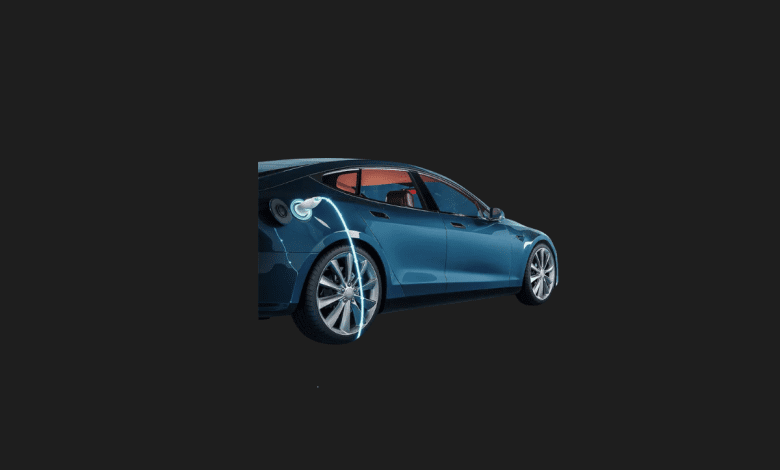

To be honest, I still remember the days when seeing an electric vehicle (EV) on the street was an event. You’d nudge your friend and say, “Look, a Tesla!” It felt like spotting a unicorn. But fast forward to today, and the landscape has completely shifted. It’s no longer about if the transition is happening; it’s about how fast and where.
I’ve been diving deep into the latest data from Rho Motion, and the numbers are nothing short of staggering. We aren’t just inching forward; we are sprinting.
Global EV sales have hit a record 20.7 million units.
That is a 20% increase compared to the previous year. To put that into perspective, that’s an additional 3.6 million electric cars hitting the roads in just 12 months. But here is the thing that really caught my attention while analyzing the report: the geography of this growth is changing in unexpected ways.
Let’s break down what this really means, beyond just the cold hard numbers.
The Big Picture: Resilience in a Volatile Market

When I look at the global economy, it’s been a turbulent ride lately. Inflation, political shifts, and supply chain issues are everywhere. Yet, the EV market seems to be operating in its own lane.


Rho Motion’s Data Manager, Charles Lester, called this market “resilient,” and I couldn’t agree more. Despite the headwinds, a 20% global growth rate proves that consumer demand isn’t fading—it’s evolving.
However, the story isn’t the same everywhere. While some regions are accelerating, others are hitting the brakes.
Regional Breakdown at a Glance
Before I dive into the “why,” let’s look at the “what.” Here is the snapshot of the sales figures that define the current market:
- Global Total: 20.7 million (+20%)
- China: 12.9 million (+17%)
- Europe: 4.3 million (+33%)
- North America: 1.8 million (-4%)
- Rest of the World: 1.7 million (+48%)
Do you see what I see? Europe is surging, while North America is slipping. Let’s explore why.
Europe: The Surprise Star of the Show

I have to admit, this part of the report surprised me the most. For years, we’ve been used to reading headlines about China’s dominance or Tesla’s grip on the US. But Europe? Europe just pulled a massive power move.
Sales in Europe grew by a whopping 33%, reaching 4.3 million units.
Why did this happen? It wasn’t magic; it was policy.
While researching the specific drivers behind this, it became clear that government subsidies and extended incentives played a crucial role. Many European nations realized that to meet climate goals, they couldn’t just rely on “market forces”—they had to push. And it worked.
This growth has positioned Europe as the fastest-growing major region, actually overtaking China in terms of growth percentage (though not total volume). It’s a lesson in how regulation can directly fuel adoption.
China: The Unrivaled Giant

Even though Europe is growing faster in percentage terms, let’s not kid ourselves—China is still the king of volume.
With 12.9 million units sold, China accounts for more than half of all global EV sales. That is mind-boggling. The growth rate has “slowed” to 17%, but when you are dealing with numbers this massive, a 17% increase is still adding millions of cars to the road.
From my perspective, the Chinese market is maturing. It’s moving past the explosive “early adoption” phase into a steady, mass-market dominance. If you walk through the streets of Shenzhen or Shanghai, the silence of the traffic (thanks to electric engines) is palpable. The rest of the world is still playing catch-up to this infrastructure.
North America: A Cautionary Tale
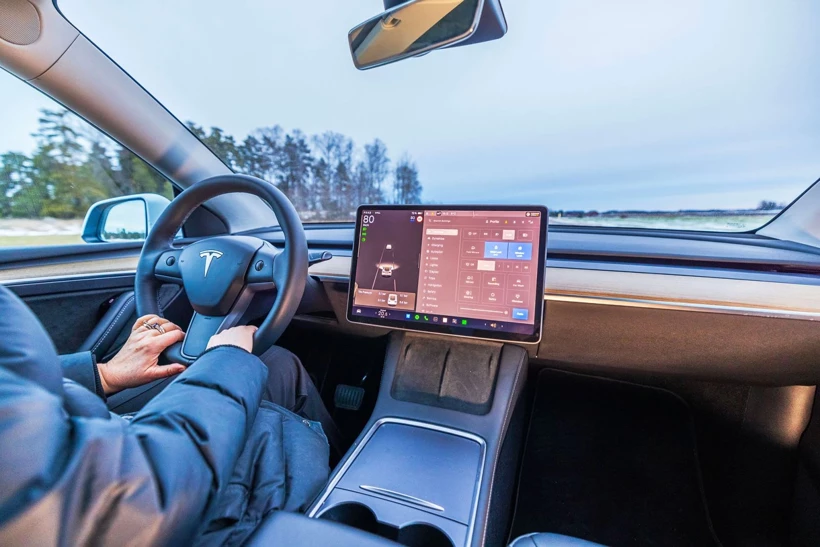
Now, this is where the conversation gets a bit difficult but necessary. While the rest of the world is zooming ahead, North America saw a 4% decline in sales.
This isn’t a mystery; it’s a direct consequence of political decisions.
I’ve been following the policy changes closely, and the impact of the US administration is undeniable. The removal of tax credits and the implementation of protectionist trade policies created an immediate cooling effect.
- The US Market: Sales barely nudged up by 1%, effectively stagnating due to the removal of purchase incentives.
- The Canada Situation: Things were even harsher up north. The removal of incentives at the start of the year led to a 41% crash in sales.
Charles Lester put it bluntly: “President Donald Trump has fulfilled many promises regarding the withdrawal of EV purchasing incentives… We predict the market will shrink by almost a third in the US for the first time in 7 years.”
As a tech enthusiast, it’s frustrating to see. Innovation needs a fertile ground to grow, and right now, the policy soil in North America has turned dry. It’s a stark reminder that technology doesn’t exist in a vacuum—it lives and dies by the rules policymakers set.
The “Rest of the World”: The Next Frontier?

Don’t overlook the underdog. The “Rest of the World” category saw a 48% jump.
Sure, the total volume is smaller (1.7 million), but this growth rate is explosive. This includes markets in Southeast Asia, Latin America, and parts of the Middle East. It tells me that the EV revolution is going global. It’s no longer just a luxury for the West and China; it’s becoming a global standard.
My Final Thoughts
Writing this, I’m struck by the duality of the situation. On one hand, we have 20.7 million proofs that the electric future is here. On the other, we have a clear example in North America of how fragile that progress can be when political support is withdrawn.
I believe the transition to electric mobility is inevitable. The technology is getting better, batteries are lasting longer, and the driving experience is simply superior. However, the speed of that transition is heavily dependent on where you live and who is in charge.
For those of us in the tech world, 20.6 and beyond will be fascinating. Will Europe keep this momentum? Will US manufacturers pressure the government to reverse course to stay competitive globally?
I’d love to hear your take on this. Do you think government incentives are necessary for EVs to survive, or should the technology stand 100% on its own, even if it means slower adoption?
Let’s discuss in the comments below!
You Might Also Like;