The Era of Robot Soldiers Has Begun: China Deploys Humanoids to the Border


The day many have anxiously awaited—and some have feared—has finally arrived. The barrier between science fiction and military reality is dissolving. The People’s Liberation Army (PLA) of China is officially beginning the deployment of humanoid robots on its border with Vietnam.
This marks a significant turning point in the history of robotics and defense. Here is what we know about this historic development.
The $37 Million Agreement
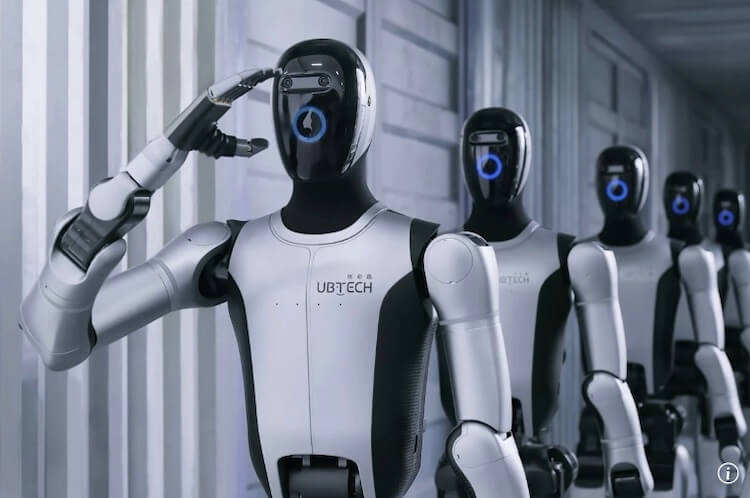
The Beijing administration has moved beyond testing phases and is entering active deployment. Reports indicate that the government has signed a preliminary agreement worth $37 million with UBTech Robotics, a leading humanoid robot manufacturer.
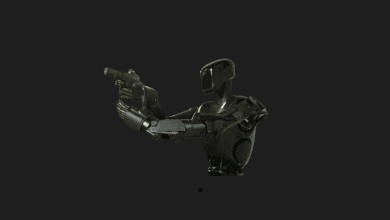
Under this agreement, UBTech will supply the Chinese People’s Liberation Army with its advanced Walker S2 model robots. This is not just a research project; it is a functional integration into border security operations.
What Will the Walker S2 Robots Do?
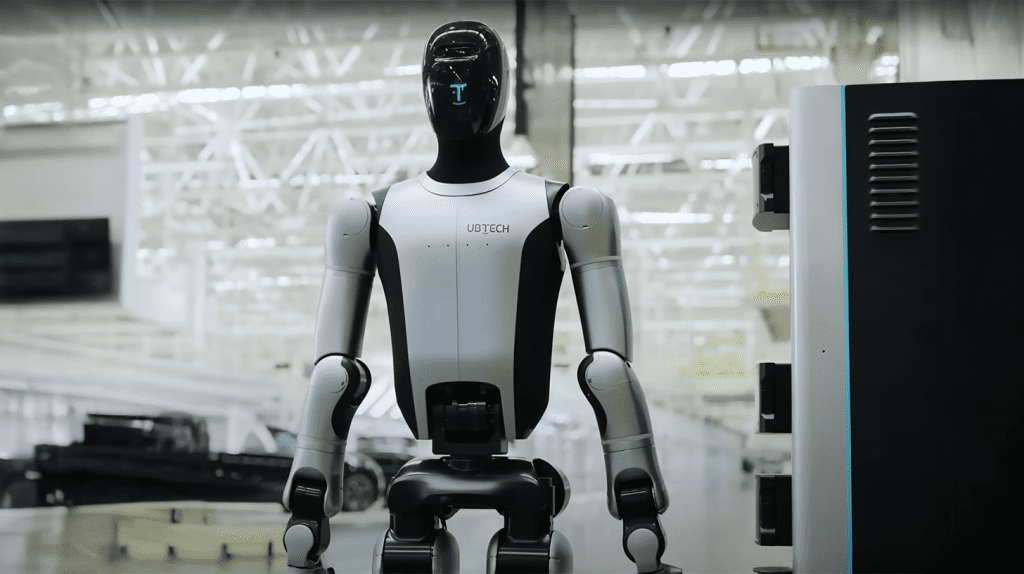
In the first phase of this initiative, the robots will be stationed at strategic locations, including airports and critical crossing points near the Vietnam border. Their duties are designed to augment human personnel, but their capabilities are extensive:
- Passport Control & Translation: The robots will assist in processing travelers and providing real-time translation support, reducing the language barrier for human officers.
- 24/7 Patrols: Unlike human soldiers who need sleep and food, the Walker S2 units will patrol border regions continuously.
- Thermal Scanning: Equipped with advanced sensors, they will perform constant thermal scanning to detect illegal crossings or hidden threats, day or night.
Unarmed… For Now
Perhaps the most critical aspect of this news is the question of weaponry. Authorities state that, for the time being, the Beijing administration does not plan to arm these robots. They are currently designated for support, surveillance, and logistics roles.

However, the deployment of bipedal, humanoid machines in a military context raises serious questions about the future of warfare. Once the infrastructure is in place, the leap from “surveillance bot” to “robot soldier” may simply be a matter of software updates and modular attachments.
Conclusion
As we witness the integration of the Walker S2 into the PLA’s operations, we are stepping into a new era. The use of AI and robotics in national security is no longer a prediction for the distant future; it is happening today.
What do you think? Is the deployment of unarmed robots a smart security measure, or the first step toward a robotic arms race?
You Might Also Like;