Japan Completes Fusion Reactor Design: Aiming for Electricity in the 2030s

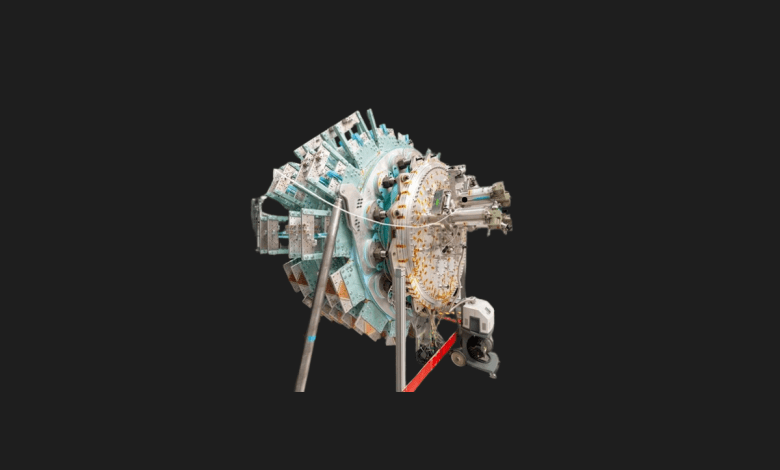

Japan has completed a significant stage on the path to generating electricity from nuclear fusion. With the design work completed for the 50 MW FAST reactor, the goal is to produce the first electricity in the 2030s.
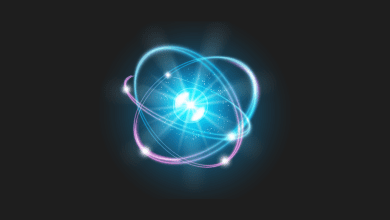
Japan has left an important threshold behind in its fusion energy goal. Starlight Engine and Kyoto Fusioneering announced that the conceptual design of the FAST (Fusion by Advanced Superconducting Tokamak) project was completed on November 26. Thus, the initiative launched last year finished the design phase in just one year. This private sector-led project aims to demonstrate electricity generation via fusion by the end of the 2030s and targets moving Japan forward in global competition.
Shutterstock
Construction Targeted to Start in 2028
The construction of the FAST reactor is planned to begin after 2028. According to the project, the device aims to achieve first plasma in 2035 and begin energy production trials in the late 2030s.
Technically, FAST adopts a low aspect ratio compact tokamak structure and aims to generate approximately 50 MW of fusion energy using a deuterium-tritium fuel mixture. Designed at a scale close to the currently operating largest superconducting tokamak, JT-60SA, the system includes advanced technologies such as high-temperature superconducting magnets, liquid breeding blanket technologies, and an integrated tritium fuel cycle.
Unlike research reactors that focus solely on examining plasma physics, FAST gathers all necessary systems for a power plant—such as energy generation, tritium production, and heat management—under one roof. However, the energy produced will not be net positive energy. In other words, the reactor will produce less energy than it consumes.


A wide collaboration of Japan’s leading companies and universities is conducting the project. Researchers from Tokyo, Nagoya, Osaka, and Kyushu Universities are participating in the work alongside major firms such as Sumitomo Mitsui Banking, Electric Power Development, JGC Japan, Hitachi, and Mitsubishi.
Kyoto Fusioneering secured 9.3 billion yen (approximately 62 million dollars) in new funding in September 2025 for the development of FAST and related technologies. The company’s total capital raised to date has reached 16.2 billion yen.
While work currently continues on site selection, regulatory processes, and critical equipment procurement, Japan aims to be one of the first countries to show the world that commercial fusion energy is possible.
You Might Also Like;