Is XPeng’s Humanoid Robot “Iron” Real or Fake? The Internet Is Divided


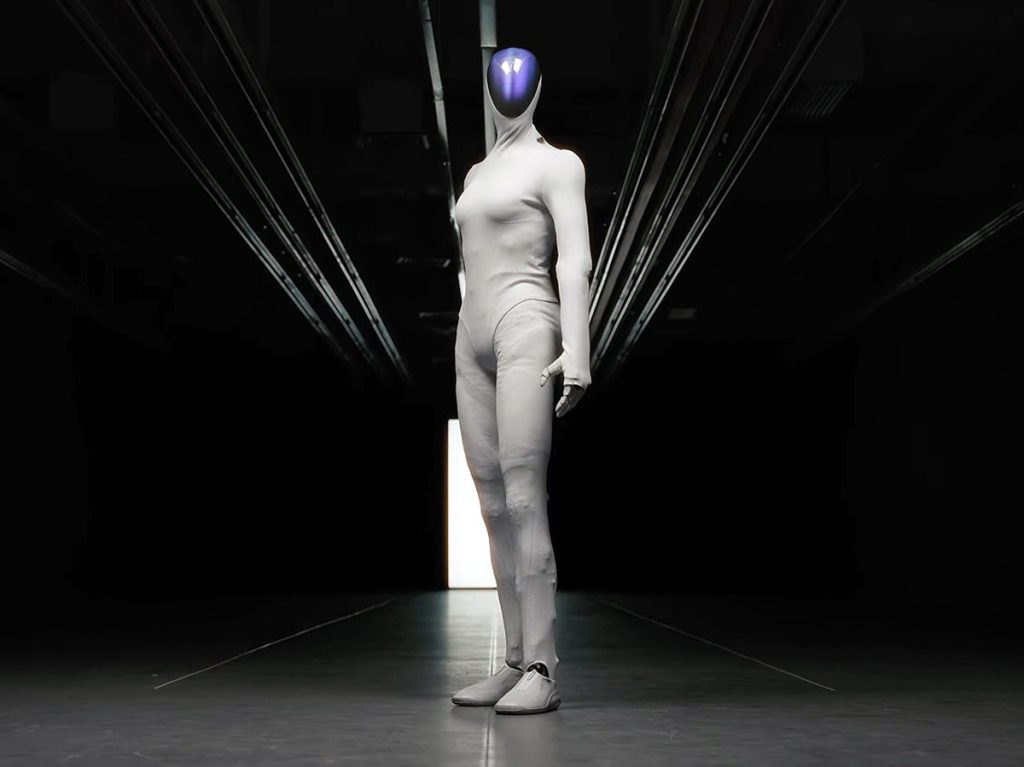
China has once again pushed the boundaries of technological innovation — or so it claims. Recently, Chinese tech company XPeng introduced a new female-shaped humanoid robot called Iron, and the worldwide reaction has been explosive. The demonstration was supposed to showcase the future of autonomous robotics, but instead, it triggered a heated global debate:
Is Iron truly a robot, or is the entire performance a staged illusion?
A Stunning Reveal

During the presentation, Iron walked onto the stage in front of a live audience.
Its movements were smooth, natural, and shockingly human-like — far beyond what many expected from today’s humanoid robots. The robot’s posture, step timing, and subtle gestures resembled those of a real woman.
Viewers were mesmerized.
But admiration quickly shifted to skepticism.
“There Must Be a Human Inside!”
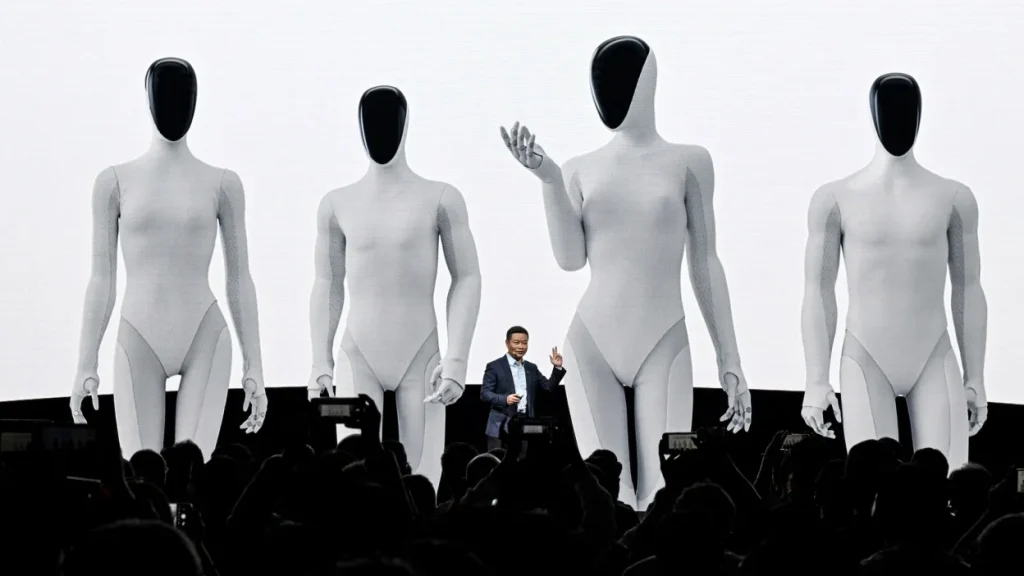
As the video spread across social media, thousands of comments questioned the authenticity of XPeng’s demonstration.
People argued that Iron was too realistic, claiming it must be controlled by a human disguised within the robot’s body — similar to costume performers or motion-captured stage actors.
Online comments included:


“No way that’s a robot — it moves like a real woman.”
“This is a stunt. Someone is inside!”
Some even pointed out that current robotics technology rarely achieves such fluid motion, especially in real-time live environments.
XPeng Responds to the Accusations

The controversy grew quickly. To silence the doubts, XPeng released additional footage showing Iron’s internal robotic structure and even filmed scenes where the robot’s outer clothing was removed.
Their message was clear:
Iron is fully mechanical. There is no human inside.
Still, the public remained divided.
Some viewers accepted the proof, while others insisted that XPeng could have staged the new footage as well.
Trust, once broken, is hard to restore.
Why Are People Skeptical?
There are several reasons:
✅ 1. Motion Quality
Iron’s movement appears more natural than most publicly known humanoid robots, even surpassing developments from companies like Boston Dynamics or Tesla Optimus.
✅ 2. Lack of Technical Explanation
XPeng has not yet provided technical specifications or engineering details — something unusual for major breakthroughs.
✅ 3. Marketing Influence
Tech companies sometimes over-hype projects for media attention — and China’s tech scene is no exception.
If Iron Is Real… The Future Just Changed

If XPeng’s claims are true, Iron represents a monumental leap forward.
Such a robot could be used in:
- Healthcare assist systems
- Elderly care
- Retail and customer service
- Hazardous environments
- Companionship robotics
It could reshape industries and daily life, bringing us dramatically closer to a world where human-like robots work alongside us.
If It’s Fake… It’s Still Genius Marketing
Even if the presentation was staged, XPeng successfully sparked global conversation and curiosity.
Millions are now watching the company’s next move.
In today’s media environment, attention is power — and XPeng has plenty.
So… What’s the Truth?
At this point, no third-party source has verified Iron’s capabilities.
We are left with two possibilities:
✅ Iron is real — a breakthrough in humanoid robotics
or
❌ Iron is a clever performance meant to gain worldwide attention
As more footage and data come forward, the truth may eventually reveal itself.
But for now, the world remains intrigued.
Conclusion
Whether real or fake, XPeng’s Iron has achieved something remarkable — it forced people to question the boundary between human and machine. And as robotics continues to evolve, that line will only grow thinner.
So what do you think?
Is Iron the next step in humanoid robotics, or just technological theater?
The future may have just arrived…
Or perhaps, it only looks like it has.
You Might Also Like;