Technology that Doubles Geothermal Energy: Double the Efficiency with Carbon Dioxide!



Germany-based Factor2 has succeeded in generating twice as much electricity from an underground source at the same temperature, thanks to its new geothermal energy technology that uses carbon dioxide instead of water.
Geothermal energy is one of the most sustainable energy sources, converting heat from the Earth’s depths into electricity. However, much of this potential has been technically unutilizable until now due to limitations. Factor2, a German-based startup, is preparing to change this picture with its developed carbon dioxide (CO₂)-based geothermal system.
Carbon Dioxide is Used Instead of Water

In traditional geothermal power plants, hot water is pumped from underground to the surface, and electricity is generated via steam turbines. However, this system requires a combination of high temperature, permeable rock, and water. This makes most sites economically inefficient. Factor2’s solution is to use carbon dioxide instead of water. Carbon dioxide, which becomes supercritical at approximately 70°C, carries significantly more energy than water vapor. Additionally, when heated, it naturally rises to the surface, eliminating the need for a pump. Thanks to the high fluidity of carbon dioxide, it moves more easily through rocks, and thermal efficiency is doubled.
Provides Negative Carbon Emissions
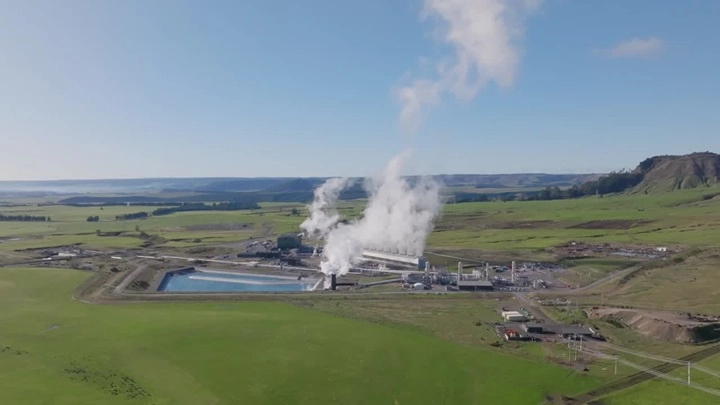
Another striking aspect of the system is its ability to extract carbon from the atmosphere and trap it underground. As a result, Factor2’s geothermal power plants not only produce clean energy but also provide negative carbon emissions. In other words, the system stores carbon instead of releasing it while generating energy.
A Spin-Off from Siemens
Factor2 was established as a continuation of research developed under Siemens Energy since 2019. The company recently completed a $9.1 million seed funding round and began preparations to set up its first pilot plant. The planned facility will provide baseload power by operating 24/7 and simultaneously commercialize carbon capture and storage (CCS). Through this hybrid model, the company aims to generate revenue from both the sale of carbon credits and stable energy production.
You Might Also Like;
- The New Era of Space Mechanics: Extending Satellite Lifespans
- AI Discovers Groundbreaking Non-Opioid Painkiller
- Mind Over Matter: What Neuralink’s First Human Trial Really Means for Our Future