SpaceX Unveils Next-Generation Starlink V3 Satellites: 1 Gbps Download Speed!


SpaceX showcased its next-generation V3 Starlink satellites. The satellites, which will offer Gigabit-speed internet, will add 60 terabits per second of download capacity to the Starlink network with every launch.
SpaceX signaled a giant leap in network capacity by introducing the next-generation V3 satellites for its global internet service, Starlink. The company announced that these new satellites will offer gigabit-speed internet to users for the first time and will add a total downlink capacity of 60 terabits/second to the Starlink network with every launch.
A Speed Revolution is Imminent for Starlink
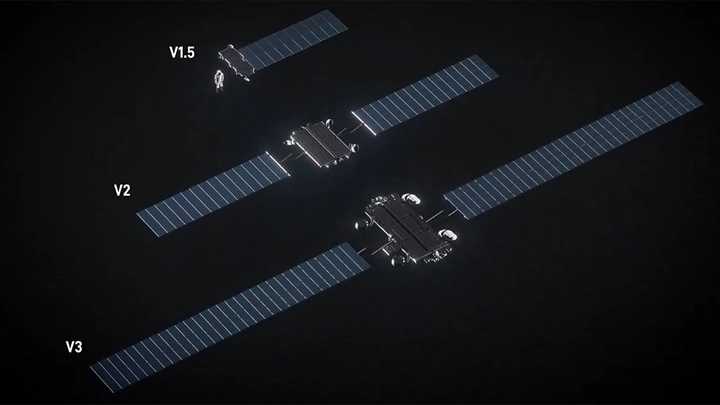
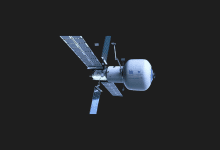
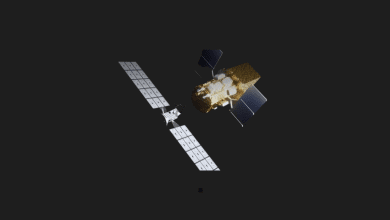
The new Starlink V3 satellites significantly differ from previous generations, both physically and technically. Each V3 unit is stated to weigh approximately 2,000 kilograms. This marks a considerable increase compared to the lighter-than-600-kilogram V2 Mini and the 300-kilogram V1 models. This massive difference in mass also explains why SpaceX will now opt for the more powerful Starship rocket instead of the Falcon 9. The company, in fact, unveiled these new satellites during the live broadcast of Starship’s 11th test flight. The test flight also deployed eight mock Starlink V3 “simulator” satellites.
According to previous announcements, 60 V3 satellites can be placed into orbit with each Starship launch. This number is 20 times the capacity of the V2 Mini satellites carried in previous Falcon 9 launches. On the performance side, each V3 satellite will offer 1 Tbps download and 160 Gbps upload bandwidth. These values mean a 10-fold increase in download speed and a 24-fold increase in upload speed compared to the current V2 Mini satellites.
Thanks to the next-generation architecture, the V3 satellites are expected to realize Elon Musk’s long-sought vision of global broadband connectivity. It is anticipated that the capacity and connectivity issues experienced by current users will be largely eliminated due to the higher speed, lower latency, and increased coverage area. However, it is noted that Starlink users may need to upgrade to new hardware to fully benefit from these advanced speeds. The timeline for when the Starlink V3 satellites will begin launching remains uncertain for now.
You Might Also Like;
- The New Era of Space Mechanics: Extending Satellite Lifespans
- AI Discovers Groundbreaking Non-Opioid Painkiller
- Mind Over Matter: What Neuralink’s First Human Trial Really Means for Our Future