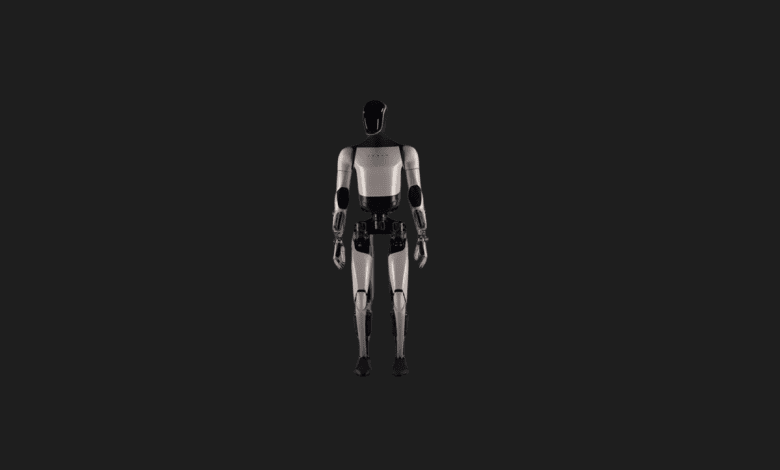

Experts say Elon Musk’s Optimus robots will not be able to work autonomously on Mars and will become unusable in a short period. How realistic is this claim? Here are the details:
While Elon Musk is building Tesla’s future on artificial intelligence and robotics, new statements from experts suggest that this vision may not yet be technically feasible. Christian Hubicki, a robotics expert at Florida State University, told Forbes that the Tesla Optimus robots would not be functional for long on Mars.
Musk’s long-term goal is to send humanoid robots to Mars to take a pioneering role in the planet’s colonization. However, current technology is not yet sufficient for this goal to be realized. Autonomous systems have serious limitations in terms of both energy efficiency and fault tolerance.
Strong Warning from Robotics Experts: Mars Could Be a Deadly Test for Humanoid Robots

Elon Musk is trying to turn Tesla from just a car manufacturer into an AI company. The company views its autonomous vehicle service, called Robotaxi, as a trillion-dollar opportunity. However, even the autonomous systems tested so far have not been able to work smoothly without human supervision. This situation reduces the chances of success for humanoid robots in much more complex environments, especially under hostile conditions like those on Mars.
Tesla’s Optimus robot, according to Musk’s claim, will reach a monthly production capacity of 100,000 units next year. However, the robotics world is skeptical of these figures, as the humanoid robot industry does not yet have a scalable market. Furthermore, in a promotional video released last month, Optimus’s performance was well below expectations. The robot paused while answering simple questions, made mistakes mid-sentence, and its movements remained extremely clumsy.
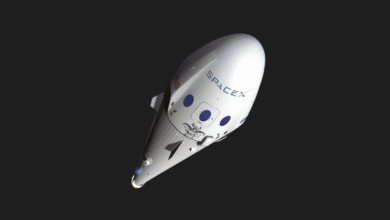
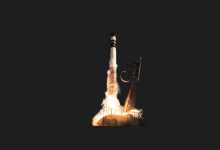
Musk nevertheless announced that Optimus will be sent to Mars via the Starship rocket by the end of 2026. These robots are purported to explore the surface of the Red Planet and prepare the infrastructure for future colonies. However, experts argue that this plan remains largely theoretical. According to Hubicki, “Humanoids fall, break, and their code crashes. Currently, humanoids are not reliable enough to work autonomously even on Earth. When a robot breaks down on Mars, there will be no one to fix it, and sending spare parts will be nearly impossible.”
Even the robotic systems that NASA has tested on space stations in the past required constant human support. For example, NASA’s Robonaut humanoid robot could only operate via remote control and was limited to small maintenance tasks. This example highlights the challenges that fully autonomous robots will face in space missions.
Hubicki doesn’t believe that humanoid robots will be completely dysfunctional on space missions. However, he suggests that the Moon might be a more realistic testing environment than Mars. The Moon offers a significant advantage in terms of communication and maintenance due to its closer proximity to Earth. In contrast, Mars creates a deadly environment for robots due to factors like high radiation, low temperatures, and a thin atmosphere.
You Might Also Like;