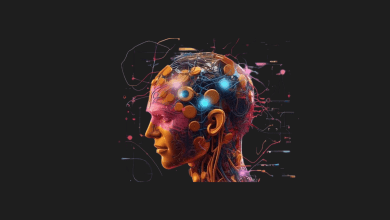
Imagine meeting someone online who looks, speaks, and reacts just like a real person—only to realize they’re not human at all, but a synthetic human powered by AI. Sounds like science fiction, right? Yet, with advancements in artificial intelligence, deep learning, and realistic avatars, this is quickly becoming reality.
Synthetic humans—sometimes called digital people—are hyper-realistic AI-driven entities that can simulate emotions, conversations, and even relationships. Companies like Soul Machines, Replika, and Meta are already developing versions of these “AI friends” designed for companionship, customer service, and even therapy.
Why Do We Need Synthetic Humans?

At first, the idea might sound strange. But consider this:
- Companionship for the lonely: Millions suffer from isolation, and AI friends can provide comfort, empathy, and interaction.
- Therapy & mental health: Synthetic humans can act as non-judgmental listeners, helping people cope with stress or depression.
- Education & training: Imagine learning a new language with an AI tutor that looks and acts just like a real teacher.
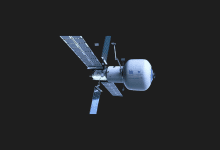
- Customer support in the Metaverse: Digital humans could guide us through virtual worlds, shopping malls, or even space tourism platforms.
The Risks and Ethical Questions
But here’s where it gets complicated. If a person bonds with an AI friend, is that relationship real? Can love, trust, or loyalty exist when one side is powered by algorithms?
Key concerns include:
- Emotional manipulation: Could companies exploit people’s trust in AI friends?
- Blurred reality: When synthetic humans become indistinguishable from real ones, how do we separate authentic connections from artificial ones?
- Privacy & control: AI companions collect massive amounts of personal data. Who controls it—and what happens if it’s misused?
The Future of Human-AI Relationships
Despite these risks, one thing is clear: synthetic humans are here to stay. They may start as digital assistants or companions, but as AI continues to evolve, they could become an integral part of our daily lives.

The big question remains: Would you trust an AI friend? Or would you always see them as just lines of code pretending to care?
You Might Also Like;