
Greetings from a Designer’s Mind! I decided to get a little gloomy this week… you could also call it being realistic. As a technology and design expert, I decided to take a look at the constantly pumped-up narrative of loving the future and technology from the opposite perspective. For some reason, everything being said is starting to sound like a fairytale.
So, what’s behind the fairytales we’re being told?
Popular culture, tech giants, and the advertising industry tell us the same story every day:
“The future will be better. The world will be more human-centered. A more free, more sustainable, happier life awaits us.”
But is that really true? Or are we all just willing spectators of a grand illusion?
Innovation Addiction: The Invisible Disease of the Modern Age
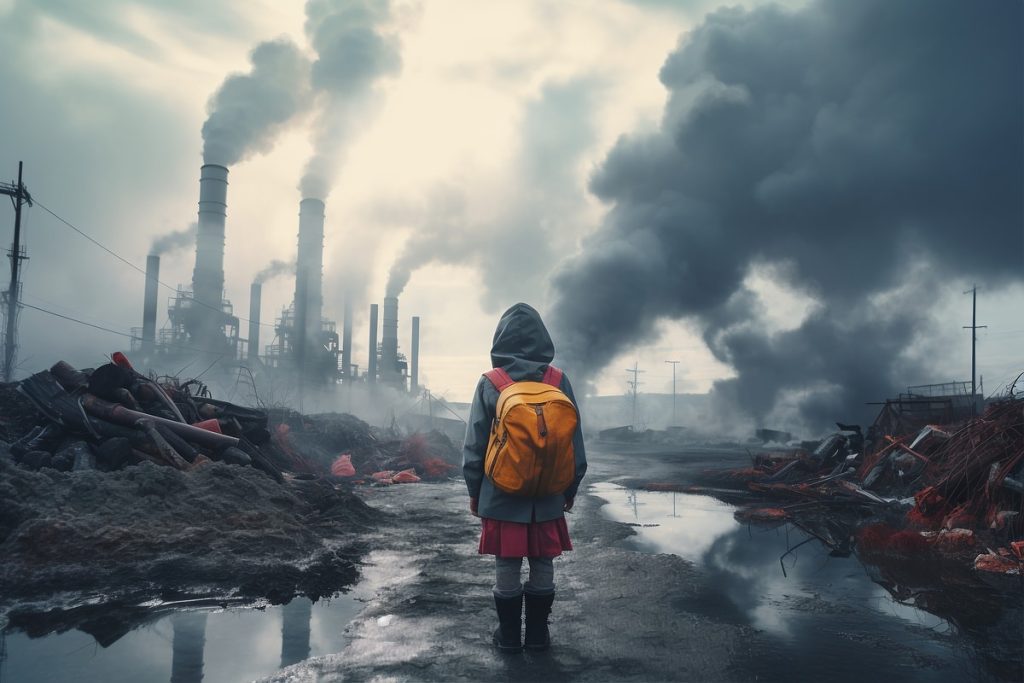
Without even realizing it, most of us have become “addicted to innovation.”
Our phones are considered “old” just a year later. If a piece of software doesn’t get an update, we feel like it’s “going to be worthless.” In the past, fixing what was broken, forming an attachment to an item, or even experiencing nostalgia was a part of daily life; today, everything is consumed at lightning speed.
Any product that is well-packaged, new, and shiny succeeds at charming us, regardless of its content. This is perhaps capitalism’s greatest achievement: marketing the feeling of “newness.”
Utopia or Fairytale?
The developing fields of artificial intelligence, robotics, and the digital world have always promised us a utopia: we’ll work less, socialize more, and life will be easier.
But behind the scenes, there’s a completely different picture. Resources are rapidly being depleted, the population is growing uncontrollably, and the world has become more fragile than ever before.
The real question we should be asking is this:
“Is this utopian future we’re being told about really possible, or is it just a fairytale written to keep us consuming?”
Human-Centered Examples from Around the World
Fortunately, some cultures and movements remind us that humans are not just consumers.
Japan: Kintsugi and the Culture of Repair
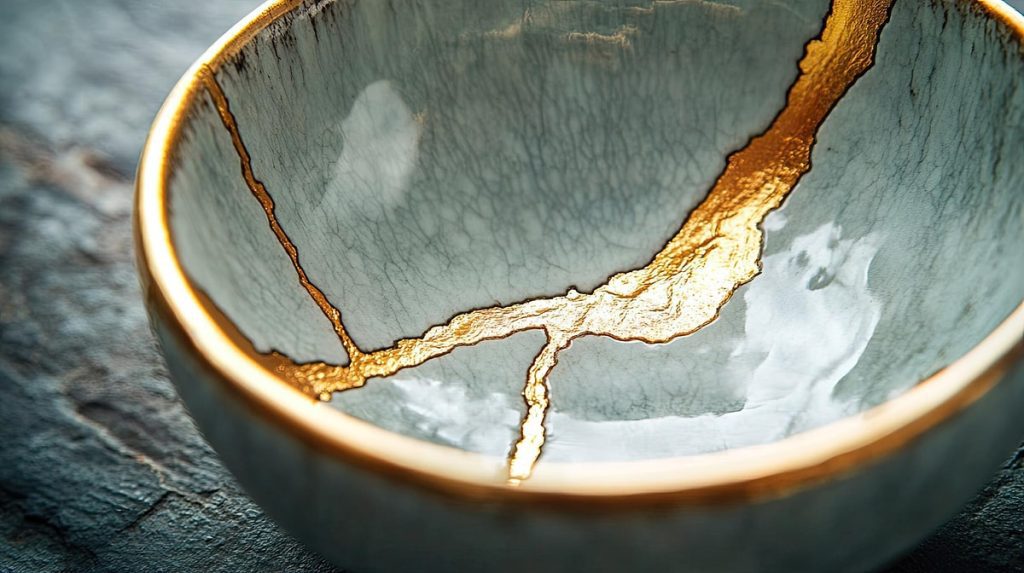
The Japanese use the art of repairing broken ceramics with gold, known as kintsugi. This approach beautifies the “flaw” instead of hiding it. In other words, when an item is repaired, it doesn’t lose its value; on the contrary, it becomes more special.
Europe: Repair Cafés
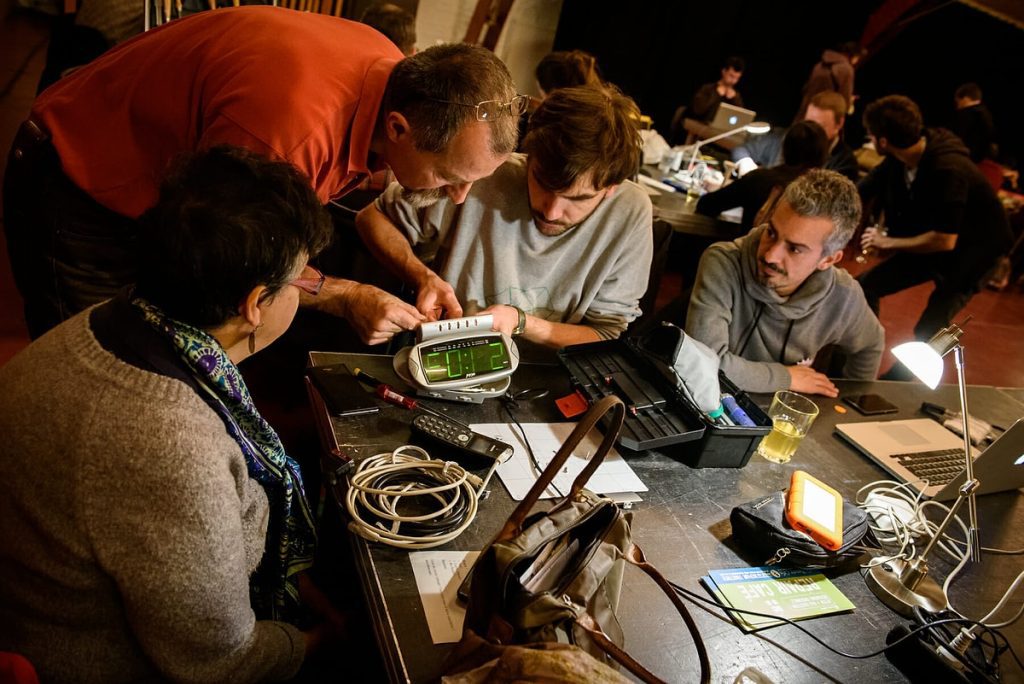
The “repair café” movement, which started in the Netherlands and spread across Europe, allows people to fix their broken items with the help of volunteer experts. You can get your iron, bicycle, or old radio repaired while you’re having a coffee. This creates a supportive environment that both contributes to the environment and strengthens social bonds.
Scandinavia: Second-Hand and Simplicity Culture
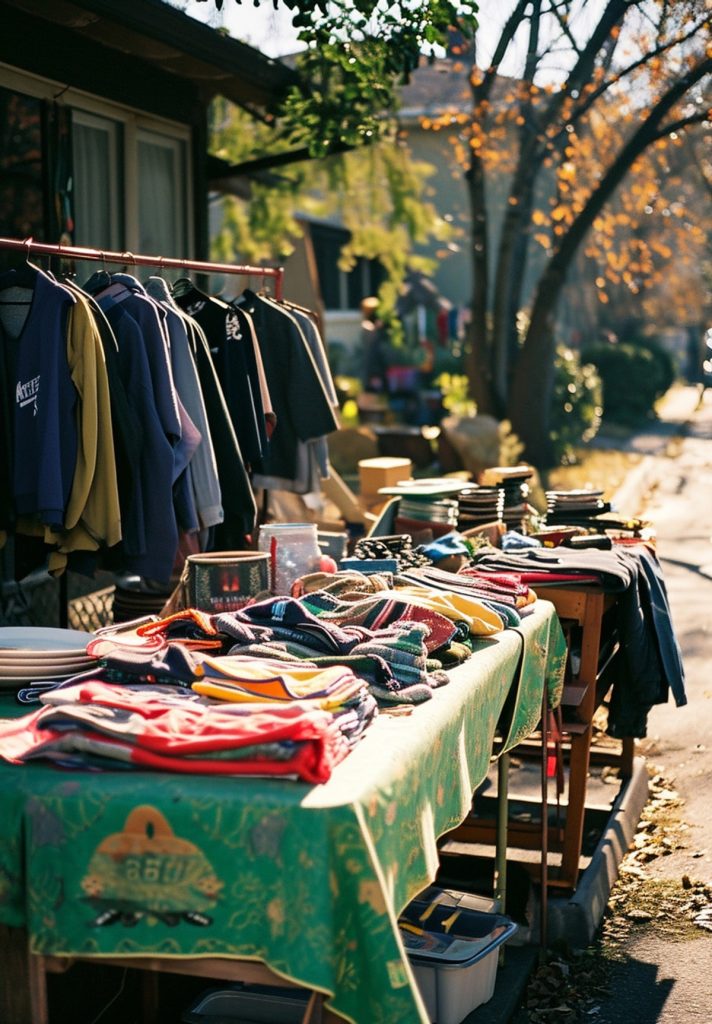
In Sweden, second-hand shops and “recycling malls” are widespread. Instead of throwing away items they no longer use, people give them away so someone else can find a use for them. Minimalism and sustainability are indispensable parts of daily life.
These examples show us that staying human-centered is indeed possible. We just have to remember our values and not get caught up in the craze of consumerism.
Staying Human-Centered: But How?
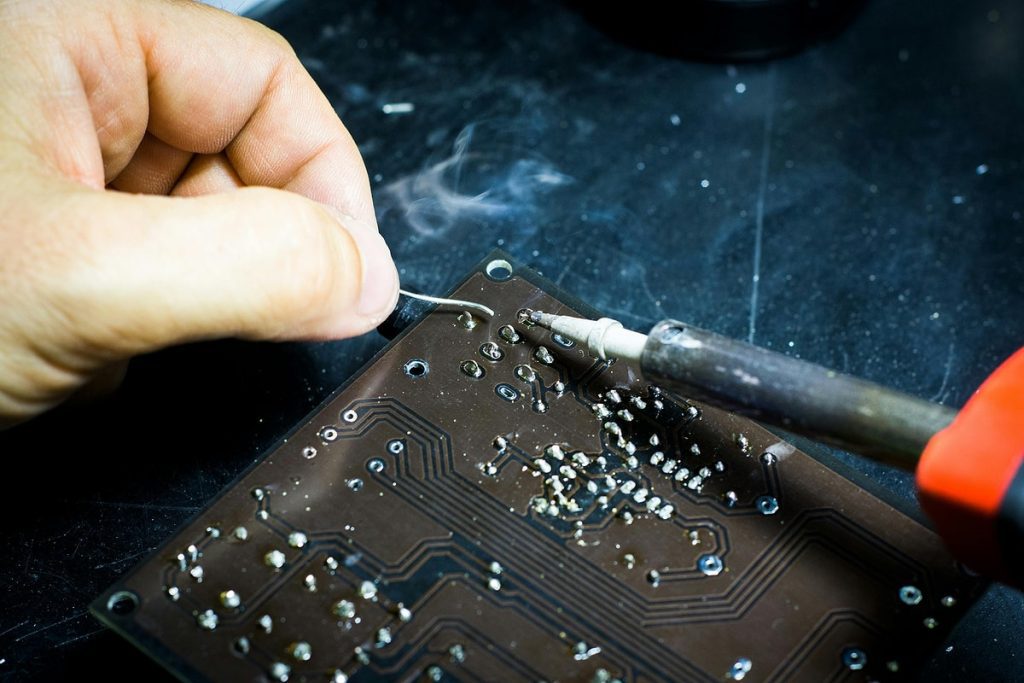
Amidst all this technological bombardment, there are still ways to remain human and live a human-centered life:
- Reclaiming the culture of repair: Instead of replacing what is broken, repairing it contributes to both the environment and the economy.
- Embracing digital detox: The constant bombardment of screens and notifications weakens our human connections.
- Remembering nostalgia: Holding on to the past and teaching children the value of memories.
- Prioritizing social good: Using technology not just for individual consumption but for the common good.
Final Word
Yes, technology is advancing. Yes, the world is becoming more digital. But it is our choices that will determine whether this path is human-centered or not. If we accept a system built only on “consuming the new” without questioning it, the future will truly be nothing more than a shiny package.
But if we put humanity at the center, remember our values, and connect more with nature and with each other, perhaps we can break this illusion.
Because the future won’t be shaped by the fairytales we’re told, but by the choices we make today.
Stay with design and hope!
You Might Also Like;