Digital Dreams: Can We Really Hack Our Sleep?


For centuries, dreams have been one of humanity’s greatest mysteries. They inspire art, reveal our subconscious, and sometimes even help solve problems. But now, thanks to VR, AI, and neurotechnology, we may be entering a new era: the age of digital dreams.
What Does It Mean to Hack Dreams?

Dream hacking refers to the ability to influence, control, or even record dreams through technology. Scientists are exploring tools that can trigger lucid dreaming, where a person becomes aware they are dreaming and can manipulate the dream’s events.
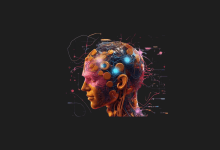
The idea is no longer pure science fiction. Researchers are experimenting with headsets, brain-computer interfaces (BCIs), and AI algorithms to track brain activity during sleep and translate it into images or sounds.
Recent Developments in Dream Technology

- In 2021, MIT’s Dream Engineering Project tested “Targeted Dream Incubation,” a method that inserts specific sounds or words into a sleeper’s dream.
- Neural interfaces are being developed to record and possibly reconstruct dream imagery using brainwave data.
- Startups are exploring VR-based techniques to train the brain for lucid dreaming, making it easier to guide what happens during sleep.
These developments suggest that recording or influencing dreams may not be far off.
How Is This Different From the Metaverse?
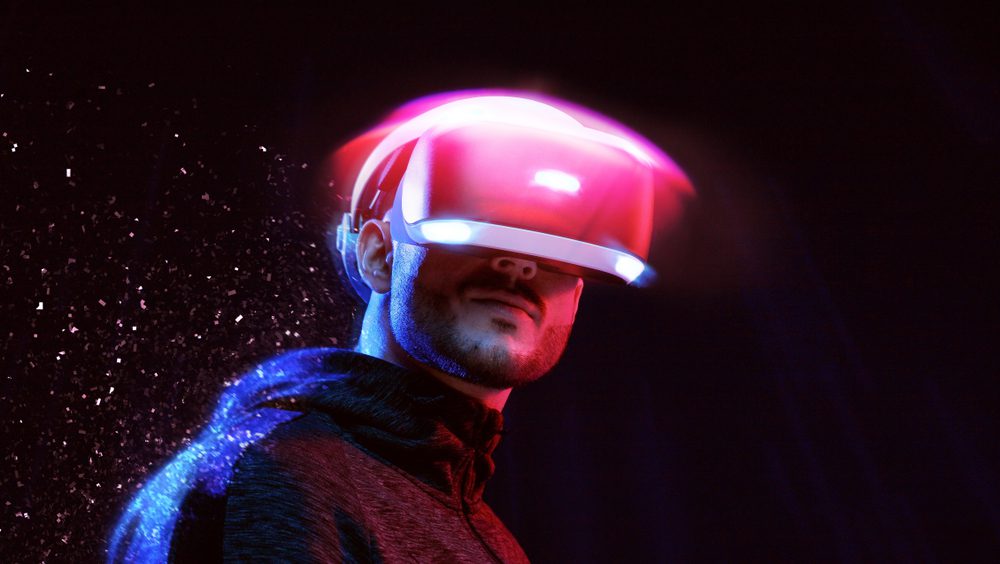
The Metaverse is about creating shared digital spaces where people interact in real time. Dream hacking, on the other hand, is deeply personal. It’s about merging consciousness with technology during sleep, rather than entering a collective virtual world while awake.
While both involve blending physical and digital realities, the key difference is that the Metaverse is social and external, while dream hacking is private and internal.

Why Does It Matter?

If dreams can be manipulated, many questions arise:
- Privacy: Who owns your dreams? Could companies use them for targeted ads?
- Therapy: Could dream control help treat trauma, PTSD, or anxiety?
- Entertainment: Will we one day design dreams like we design video games?
When Will It Become Common?

Experts suggest that basic dream manipulation tools could become mainstream within the next 10–20 years, especially for therapy and sleep research. However, full-scale dream recording or playback is still decades away, requiring breakthroughs in brain imaging and AI interpretation.
Conclusion
Digital dream hacking may sound like something out of Inception, but it is quickly moving from science fiction to scientific reality. Whether it becomes a tool for healing, creativity, or entertainment—or a threat to privacy—remains to be seen.
One thing is certain: the future of sleep will never be the same.
You Might Also Like;