Bi-Directional Charging for 14,000 km of Free Travel Per Year


Thanks to BMW’s new iX3 model and a special tariff developed by E.ON, vehicle owners can save up to €750 annually. This equates to approximately 14,000 km of free travel.
A joint effort between BMW’s new iX3 model and the power grid operator E.ON in Germany provides electric vehicle (EV) owners with the benefit of free charging equivalent to 14,000 kilometers annually.
Electric vehicles have a vast, largely untapped potential. This potential both increases the efficient use of renewable energy and strengthens interest in EVs. The technology in question is called V2G (Vehicle-to-Grid). Simply put, your vehicle no longer just draws electricity from the grid; it can also supply electricity to the grid when needed.
Balancing the Grid and Renewable Energy

While renewable energy sources offer great environmental benefits, they create some challenges for grid stability. Electricity generation drops when there is no sun, yet an energy surplus occurs on the grid when there is an abundance of sun and wind. These imbalances often make grids reliant on expensive natural gas power plants.
For this reason, grids are making multi-million dollar battery investments. However, most homes already have EVs with massive batteries parked outside. For instance, the BMW iX3’s 108 kWh battery has the capacity to meet the electricity needs of an average home in Turkey for 6 days.
BMW and E.ON Collaboration

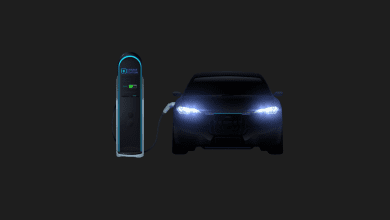
Thanks to a professional wall charger and a special tariff developed by E.ON, BMW provides vehicle owners with both a bonus for the duration the car remains connected and additional earnings for the energy supplied to the grid. This system offers a maximum discount of €750 annually. This means an iX3 can travel approximately 14,000 km for free per year.
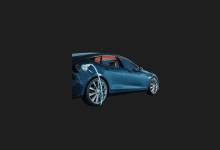
From the grid’s perspective, this technology both eliminates the need for expensive emergency electricity and prevents investments in additional transmission lines.
Battery Health and Control
The energy provided from the vehicle to the grid is limited to 11 kW, which is the same level as normal charging power. BMW states that this low power transfer does not wear out the battery. Users can manage the system remotely and set a configuration to always maintain a minimum range.
In the future, BMW will also make it possible to store excess solar energy during the day and use it at home in the evening with this technology. The “Neue Klasse” series, including the new iX3, will come standard with 11 kW bi-directional charging support. This could eliminate the need for a separate home battery.
Furthermore, BMW plans to integrate the system with heat pumps. This way, users can direct excess solar energy to the home’s heating/cooling system or the vehicle’s battery. In short, BMW is preparing to play a central role in home energy management.
This technology provides an advantage not only for the home and the grid but also in outdoor settings like camping. The vehicle can turn into an uninterrupted power source for all electrical equipment.
E.ON pays 24 Euro cents for every hour the vehicle is connected to the grid. However, the monthly payment ceiling is set at €60. This means the vehicle only needs to be connected for 250 hours a month (an average of 8.3 hours a day), which is a quite easily achievable goal in practice.
You Might Also Like;
- We Selected 10 Series Similar to Stranger Things for Those Who Love It
- Where and How is Silver Used in Electric Vehicles?
- Hyundai Unveils Its Multi-Purpose Wheeled Robot
Follow us on TWITTER (X) and be instantly informed about the latest developments…



One Comment