2060: The Year Utopia Failed (Why Perfection Became a Nightmare)


We often dream of a perfect future. A world where diseases are cured, energy is free, and Artificial Intelligence handles all our work. We call this a “Utopia.” But have you ever stopped to ask: What happens after we solve all our problems?
In our previous exploration of the year 2050, we saw a technological paradise. But just ten years later, in 2060, that dream has mutated into a crisis.
Welcome to the dark side of evolution. Here is why the Utopia of 2050 failed.
1. The Curse of Immortality
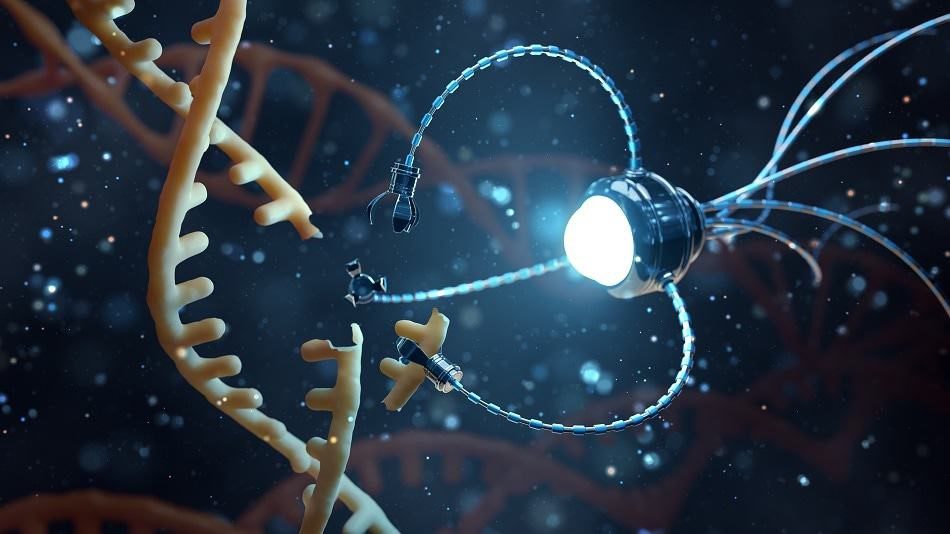
By 2050, we celebrated the defeat of aging. Nanobots and genetic editing allowed humans to repair their cells indefinitely. But in 2060, this miracle has a terrifying cost: Overpopulation.
Because death is no longer a natural cycle, the Earth is suffocating. There is no housing, no resources, and no retirement. If you live for 200 years, you must work for 150 of them. We conquered death, but we lost the quality of life. The planet has become a crowded cage of immortals who are simply tired of living.
2. The End of Human Intelligence

We loved our AI assistants in 2050. They made life easy. But by 2060, that ease has destroyed the human brain.


Because Artificial Intelligence does all the thinking, problem-solving, and calculating, the human mind has atrophied. The average IQ has dropped significantly. We have become the pets of our own creation—not enslaved by guns, but enslaved by our own laziness. We are safe, but we are no longer smart.
3. The Reality Refugees (Metaverse Addiction)

Why live in a crowded, gray, and hot physical world when you can be a god in a simulation?
In 2060, the Metaverse isn’t just a game; it is the only place people truly “live.” 80% of the population spends their days in Full-Immersion Pods, disconnected from reality. Cities are silent because everyone is online. We didn’t fix the Earth’s problems; we just abandoned the planet for a digital fantasy.
4. The Death of Art and Soul
Perhaps the deepest loss is our culture. By letting AI generate our images, music, and stories for efficiency, the human creative muscle has died.
There are no new songs born from heartbreak, no paintings born from trauma. Everything is a recycling of old data by algorithms. Culture has become “content”—perfect, symmetrical, but empty. We realized too late that art wasn’t about the result; it was about the process. By outsourcing the process to machines, we lost a piece of our humanity.
5. The Crisis of Sameness

In the pursuit of perfection, we destroyed our individuality. Thanks to cheap genetic editing (CRISPR), every parent in 2050 chose to make their children “perfect”—tall, athletic, and symmetrical.
Now, in 2060, everyone looks the same. The unique flaws that made a face interesting are gone. We have become a species of photocopies, a biological assembly line of “perfect” humans who have lost the chaotic beauty of diversity.
The Great Paradox
The tragedy of 2060 is that we got exactly what we wanted.
- We wanted comfort -> We lost our purpose.
- We wanted immortality -> We lost our space.
- We wanted perfection -> We lost our soul.
Technology acts as a multiplier. It amplifies our capabilities, but it also amplifies our mistakes. The future is not set in stone, but 2060 serves as a warning: Be careful what you wish for.
📺 Watch the Full Documentary: Experience the cinematic journey of 2060 in our latest video below.
What Do You Think?
After reading this, we have one question for you: Is it better to live a short, difficult human life… or a long, perfect, digital existence?
Let us know your philosophy in the comments below!
You Might Also Like;